
Experience in South Africa
Hoedspruit Endangered Species Centre
About Hoedspruit Endangered Species Centre
The Hoedspruit Endangered Species Centre (HESC) is a prominent conservation facility located on the R40, approximately 23 km from Hoedspruit in the Limpopo Province of South Africa, with coordinates -24.5138° S, 31.0323° E. Established in 1990 by Lente Roode, it initially began as the Hoedspruit Cheetah Project, driven by Roode's lifelong passion for cheetahs, which stemmed from hand-raising an orphaned cub as a child. The centre expanded its focus to include other vulnerable species, leading to its renaming in 1995. HESC operates as a leading private research and breeding facility, dedicated to the survival of endangered species through maintaining diverse bloodlines, particularly for cheetahs, and the rehabilitation of rhinos. It also emphasizes education for both local and international communities on the necessity of conservation, alongside focused research for long-term sustainability. The centre spans over 100 hectares of natural bushveld.
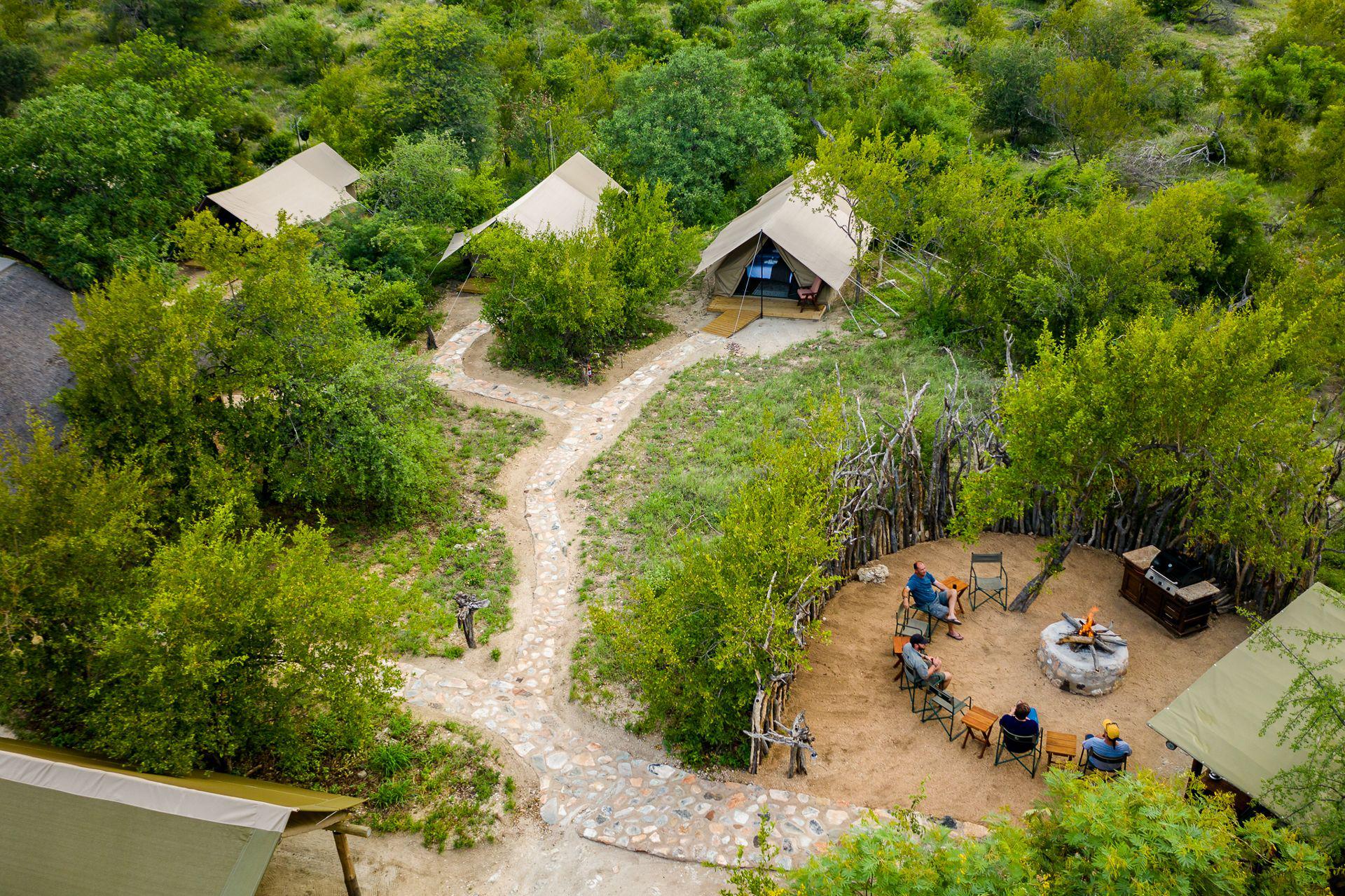
HESC is home to a diverse array of African wildlife, including African lions, African wild dogs, blue cranes, cheetahs (including the rare king cheetah), leopards, sable antelopes, servals, southern ground hornbills, various vultures, and white rhinoceroses. The centre offers several programs and experiences, such as daily guided tours that provide insights into animal conservation efforts, Cheetah Focus Tours, and specialized School Tours. These tours, lasting approximately two hours, depart at 09:00, 11:00, 13:00, and 15:00. Funds generated from these tourism activities are directly reinvested into the centre's conservation projects and daily operational costs. HESC also provides accommodation options and an intensive, hands-on Wildlife Conservation Experience student program for enthusiasts globally. A strict no-contact policy with animals is maintained to ensure their welfare, prevent human-imprinting, and align with ethical animal practices.
The centre's conservation efforts are multifaceted, encompassing academic research, animal releases, anti-poaching initiatives, breeding programmes, community engagement, and education. A fully equipped veterinary clinic on-site, complete with an operating theatre and quarantine section, plays a crucial role in the rehabilitation of injured or disabled animals. HESC receives no government funding, relying entirely on self-generated revenue and fundraising efforts to support its extensive conservation and rehabilitation work.
Things to see
Close by


Where to stay

Where to eat




Things to do
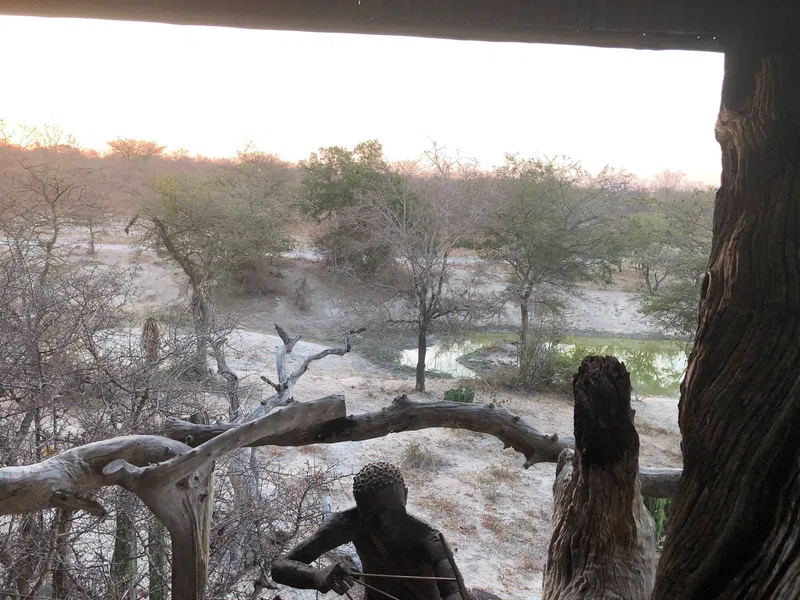
Hoedspruit Endangered Species Centre
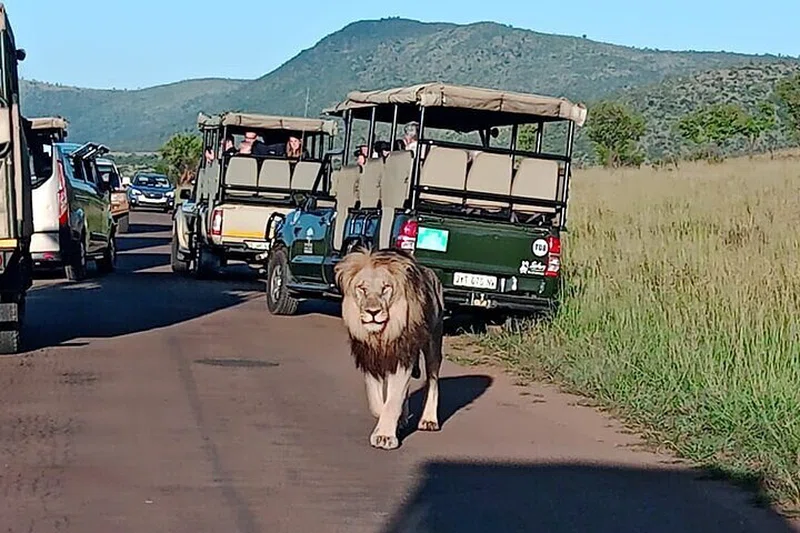
Nyani Cultural Village
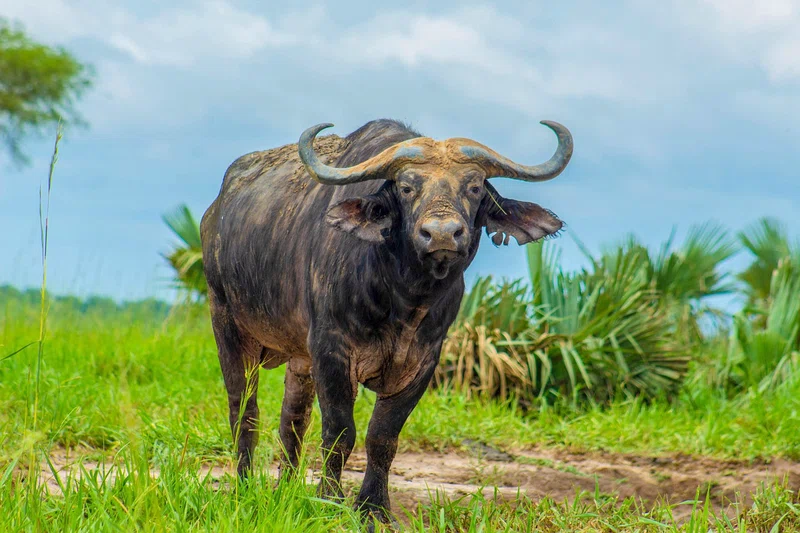
2-Day Dumela Camping Budget Adventure at Blue Canyon

4-Day Ivory Moon Lodge Safari - Fly in from Cape Town
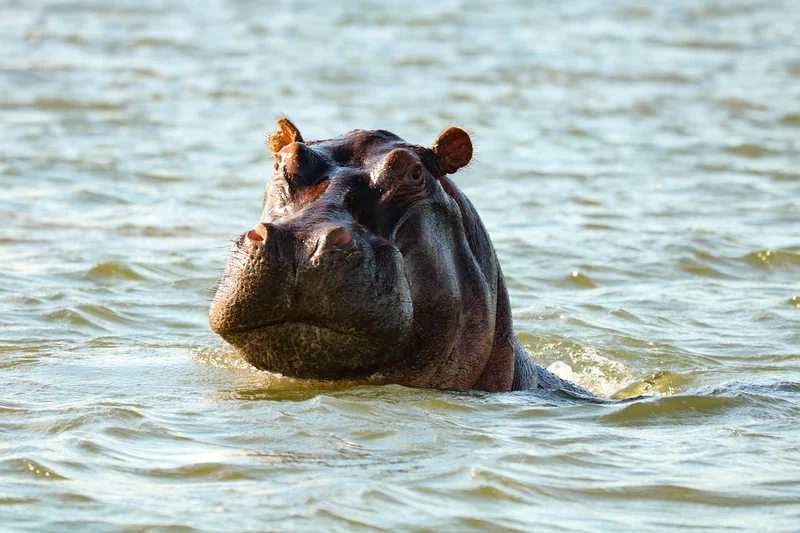
5-Day Kubu Safari Lodge Safari
3-Day Kruger - Bundox Explorer Camp
Weather through the year
Average temperatures and rainfall by month
Station: 245s309e · 3.6 km away · 699m