Experience in Tanzania
Isimila Stone Age Site
About Isimila Stone Age Site
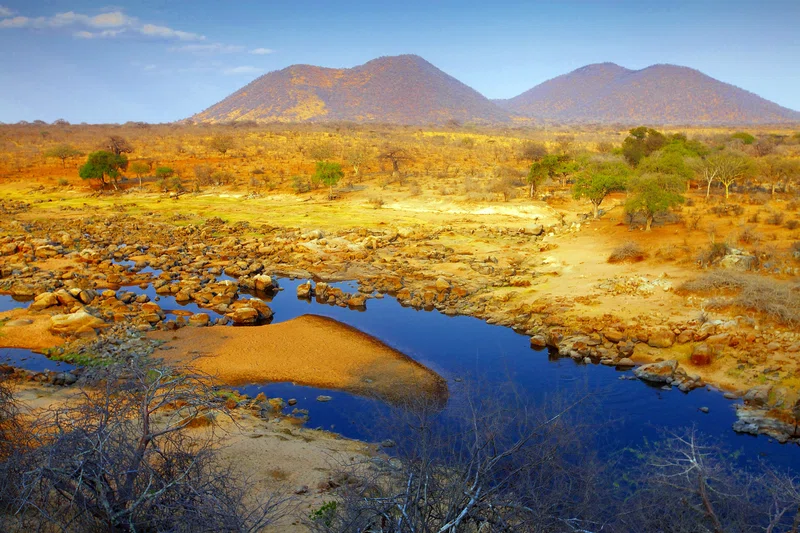
Isimila Stone Age Site is a significant prehistoric settlement located in the Southern Highlands of Tanzania, approximately 20 kilometers southwest of Iringa town. Situated within the Iringa District, the site is easily accessible from Iringa and lies near the A104 highway to Mbeya. The area is renowned for its dramatic landscape, characterized by striking eroded sandstone pillars and deep canyons. These unique geological formations, with some rock towers reaching up to 30 meters in height, are a result of harder rock types resisting erosion over millennia, transforming what was once believed to be a small lake into the expansive canyon seen today. The earth throughout the site exhibits a warm reddish tint, adding to its scenic beauty.
Archaeologically, Isimila is a Middle Pleistocene site of international importance, offering a unique window into early hominid behavior. Discovered in 1951 and extensively excavated since the late 1950s, the site has yielded some of the most significant Stone Age finds ever identified. These include a rich assemblage of Acheulean stone tools such as handaxes, cleavers, hammerstones, axeheads, flints, and scrapers, estimated to be between 60,000 and 100,000 years old. Evidence suggests hominids inhabited this area between 300,000 and 600,000 years ago, utilizing the former lake as a prime hunting ground. Beyond tools, the site has also revealed fossilized bones of various mammals, including an extinct hippopotamus, a giraffe-like animal with a shorter neck, elephants, and extinct pigs, providing valuable insights into the paleoenvironment. Isimila is recognized as a registered Tanzania National Historic Site.
A visit to Isimila typically begins at a small on-site museum, where guides provide an introduction to the site's formation and display some of the unearthed fossils and tools. The tour then proceeds into the canyon via a steep footpath, allowing visitors to explore the areas where tools were discovered and learn about the formation of the natural rock pillars. The scenic walk through the canyon is also an excellent opportunity for bird watching. It is advisable to visit in the early morning or late afternoon to avoid the intense midday heat. The entire tour usually takes about three hours, and a picnic area and toilets are available at the museum. The site, however, faces ongoing challenges with rapid erosion and degradation from natural factors and agricultural activities, prompting efforts to involve local communities in its conservation.