
Kigali Genocide Memorial
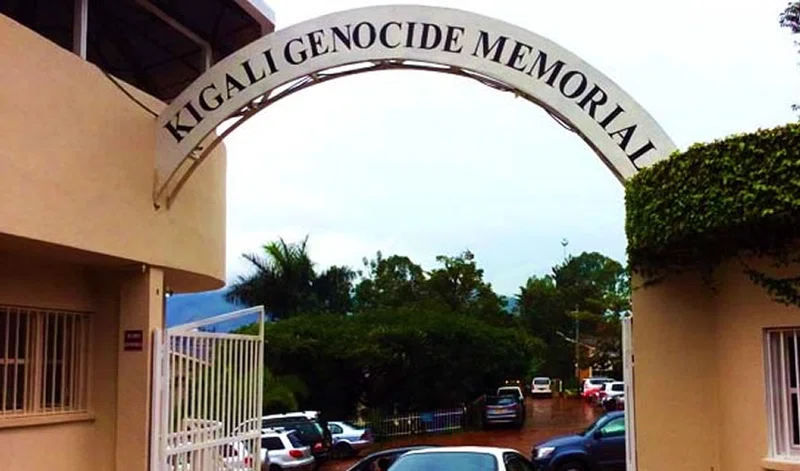
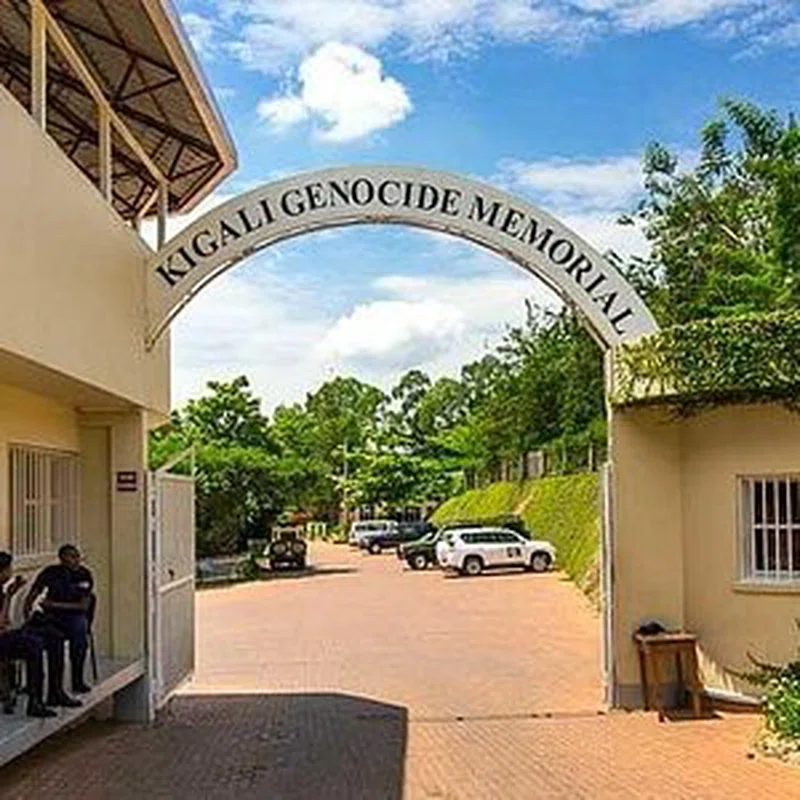
The Kigali Genocide Memorial, located in Gisozi, Kigali, approximately ten minutes from the city center, serves as the final resting place for over 250,000 victims of the 1994 Genocide against the Tutsi. Inaugurated in 2004, its primary mission is to provide a dignified burial site, educate visitors about the causes, implementation, and consequences of the genocide, and promote prevention of future atrocities. It stands as a powerful symbol of remembrance, healing, and reconciliation for Rwanda.
The memorial features three permanent exhibitions. The largest exhibition meticulously documents the 1994 Genocide against the Tutsi, offering historical context and outlining the events. Another poignant exhibition, "Tomorrow Lost," is a children's memorial displaying life-sized photographs of child victims, accompanied by intimate details of their lives, favorite toys, last words, and the manner of their deaths. A third exhibition, "Wasted Lives," broadens the scope to explore the history of genocidal violence around the world, drawing comparisons with other historical atrocities. The site also includes new content that delves into the memorial's own history and its role in developing peace and values education, as well as strategies for mitigating future international atrocities.
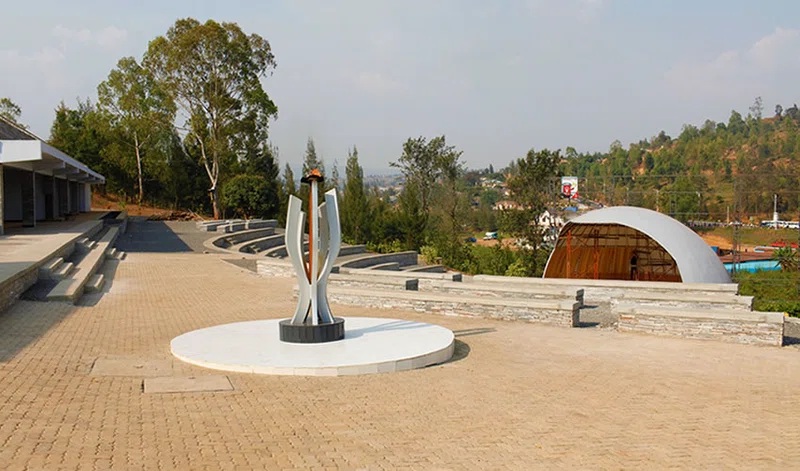
Beyond the exhibitions, the memorial grounds encompass several significant features. Mass graves hold the remains of the quarter-million victims, setting a solemn context for the entire site. The Wall of Names commemorates those who perished, an ongoing project to document every victim. Visitors can find solace and reflection in the memorial gardens, which include the Gardens of Unity, Division & Reconciliation, Rose Gardens, Garden of Self Protection, Provinces of Rwanda Garden, Flower of Life Garden, and Forest of Memory. The Flame of Remembrance, lit annually on April 7th to mark the 100 days of commemoration, symbolizes Rwandan resilience. An amphitheater hosts various events, while the Kigali Community Peace Centre and the Genocide Archive of Rwanda further contribute to education, documentation, and peacebuilding efforts. The memorial is open daily from 9:00 am to 5:00 pm, with specific hours on the last Saturday of each month and annual closures. While entrance is free, audio guides and guided tours are available, and a café and gift shop support the memorial's vital work.
Quick Info
Own this place?
Claim it to update its details and photos, add what you offer, reply to travellers and promote it on Wapota. It’s free.
Claim this listing →


Kigali Genocide Memorial
NaN km away
Rwanda Safari
0.0 km away

Rwanda Safari Tours & Gorilla Trekking
0.0 km away

Rwanda Discovery Safari
0.0 km away
Rwanda Safari
0.0 km away

6 Days Uganda and Rwanda Gorilla Tour
0.0 km away
Weather & Rainfall Patterns
Station: 20s300e · 10.2 km away · 1323m