Experience in Zambia
Mwela Rock Art Paintings
About Mwela Rock Art Paintings
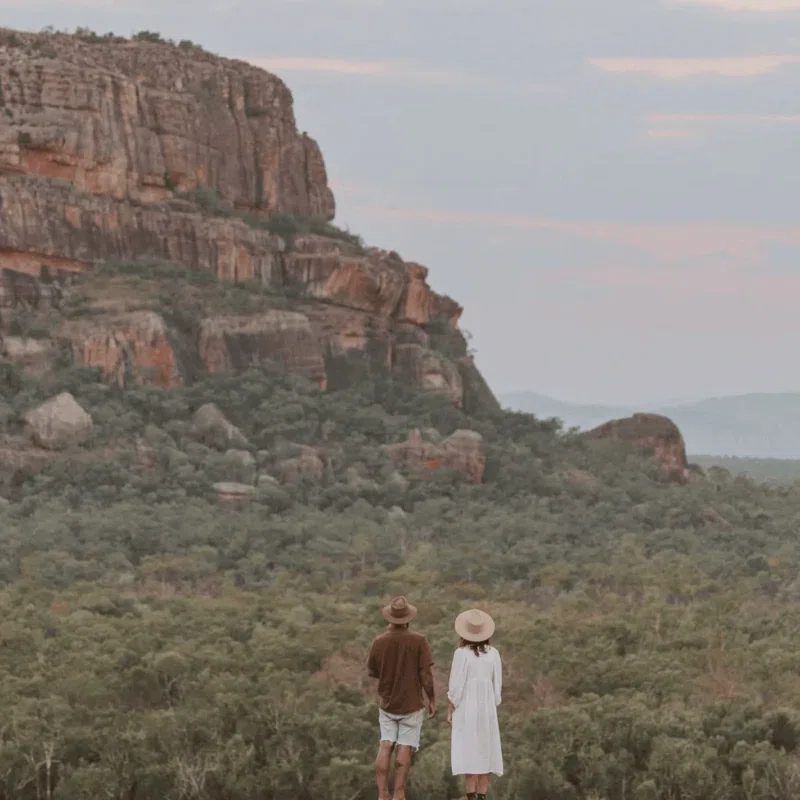
Mwela Rock Art Paintings, located on the outskirts of Kasama in Zambia, represent one of Southern Africa's most significant concentrations of ancient rock art. Situated approximately 7 kilometers east of Kasama along the road towards Isoka, this expansive site covers an area of about 40 square miles, characterized by numerous rock outcroppings and caves. The site's coordinates are -10.206433, 31.232908. The artwork, attributed primarily to Stone Age hunter-gatherers, also known as the Batwa or Twa people, dates back as far as 2000 years. The area has been continuously inhabited for millennia, a fact supported by archaeological discoveries of Stone Age tools such as blades, grindstones, and axes found nearby. The site was officially declared a National Monument in 1964 by the National Heritage Conservation Commission of Zambia.
The paintings themselves fall into two main stylistic categories: geometric or schematic designs, and more naturalistic depictions of animals. The geometric art includes intricate patterns of dots, lines, squares, grids, circles, and ladders. The naturalistic style portrays animals like elephants, elands, lions, bush pigs, and praying mantises, often capturing a remarkable sense of fluidity and movement despite their stylized forms with large bodies and minute limbs. Research suggests that a significant portion of the geometric art may have been created by women, drawing parallels to bark-cloth decoration traditions of Pygmy women in the Democratic Republic of Congo. Additionally, farmer rock art associated with girls' initiation ceremonies is also present at the site. These ancient artworks are believed to have served various purposes, including acting as guides for hunting or being integral to ceremonies such as weather divination.
Visitors to Mwela Rock Art Paintings can explore the hundreds of pictographs spread across the rock shelters and overhangs. An entry kiosk is available, and guides are present to escort visitors, which is highly recommended as many of the paintings are faint or hidden. These guides are invaluable for spotting the art and providing historical context, enriching the visitor's understanding of this profound cultural heritage. The site is open during daylight hours throughout the year, with parking available at the entrance.