
Experience in Rwanda
Nyamata Genocide Memorial
About Nyamata Genocide Memorial
The Nyamata Genocide Memorial is one of Rwanda's six National Genocide Memorial Sites, located in the Eastern Province, specifically in Nyamata II Village, Nyamata Ville Cell, Nyamata Sector, Bugesera District. It commemorates the 1994 Rwandan genocide against the Tutsi ethnic group and is recognized as a UNESCO World Heritage Site. The memorial is centered around a former Roman Catholic church, which was desacralized on April 11, 1997, and transformed into a memorial to the victims. The site is approximately 30 km (19 miles) south of the capital, Kigali.
Historically, the Bugesera region, where Nyamata is situated, was a place where Tutsis were forcibly relocated after the 1959 revolution, and they faced persecution throughout the First and Second Republics, leading up to the 1994 genocide. During the genocide, thousands of Tutsi sought refuge in the Nyamata church, believing it to be a safe haven. However, attackers used grenades to breach the church walls, and those inside were subsequently killed with guns and machetes. Over 45,000 people who sought refuge in this holy place were brutally massacred in one day. The remains of 50,000 people are buried at the site.
The memorial itself is composed of several poignant elements. Inside the former chapel, victims' clothes are displayed, along with some of the weapons used during the killings. Beneath the chapel, a room houses the remains of those killed within the church. Behind the church, mass graves contain the remains of 45,308 genocide victims, with a vault specifically housing skulls and other human remains. The site also includes the grave of Antoinette Locatelli, an Italian nun who was murdered in 1992 for denouncing the killings of Tutsis in Bugesera. The memorial serves as a powerful reminder of the atrocities and a place for reflection on conflict and loss, offering lessons in building a future free from hatred.
Things to see
Close by

Where to stay


Things to do
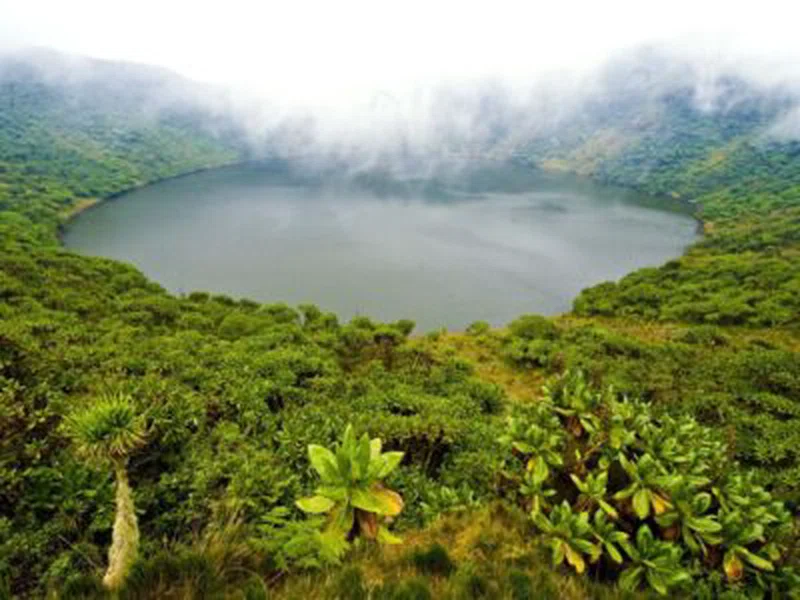
Nyamata Genocide Memorial
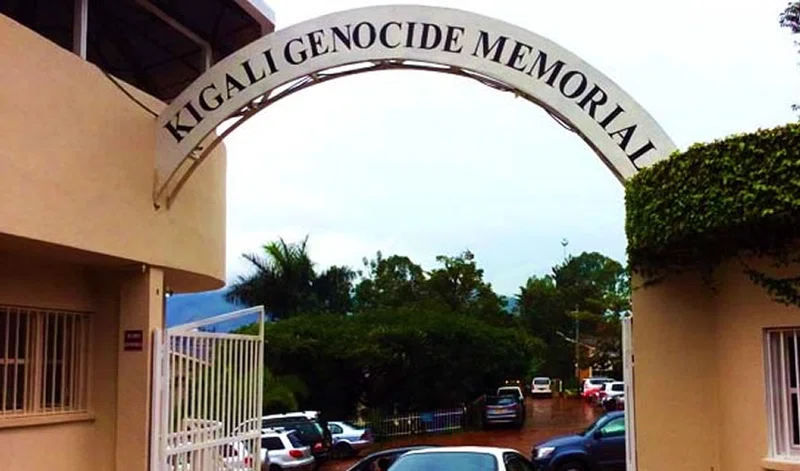
Kigali Genocide Memorial
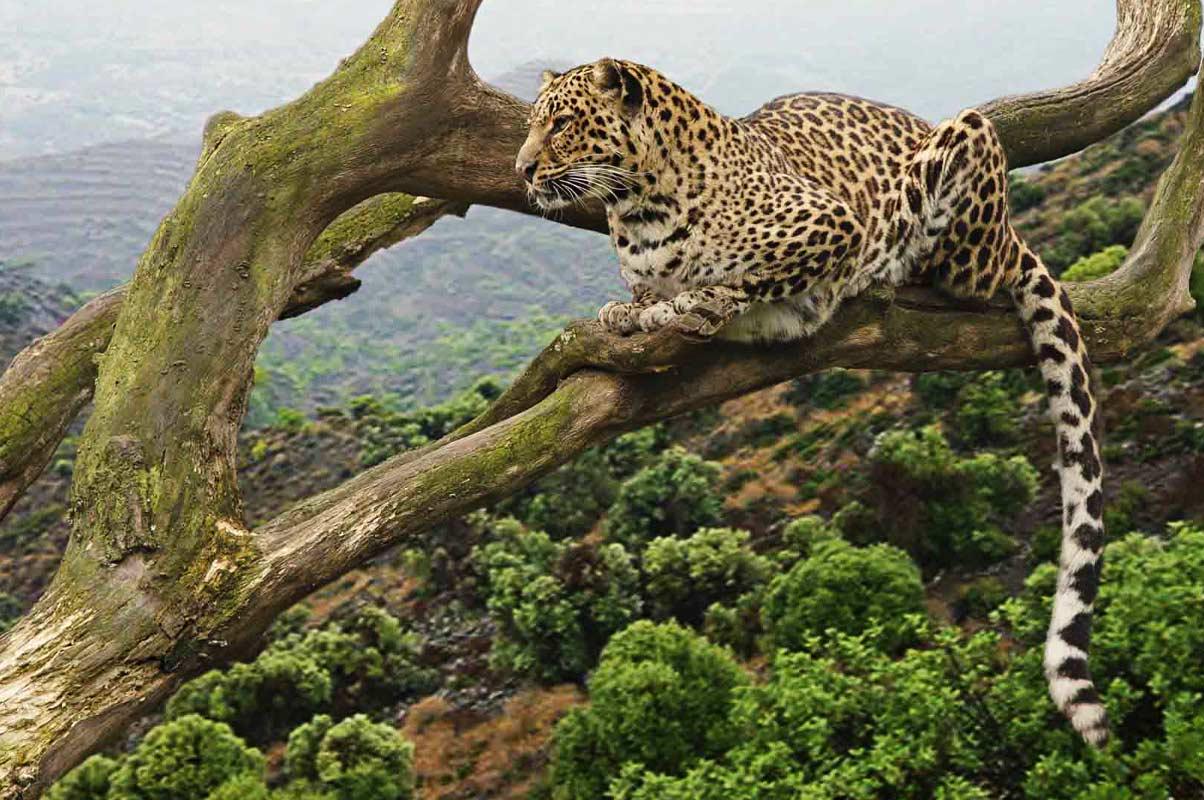
Rwanda Safari
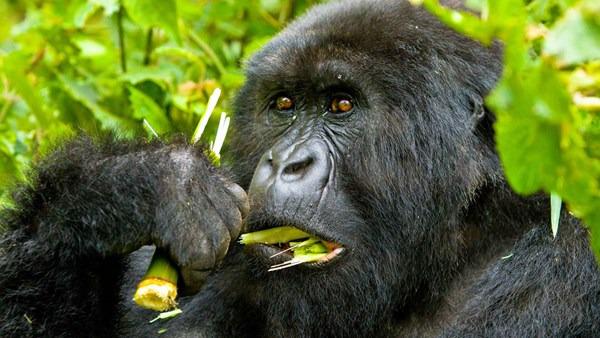
6 Days Uganda and Rwanda Gorilla Tour
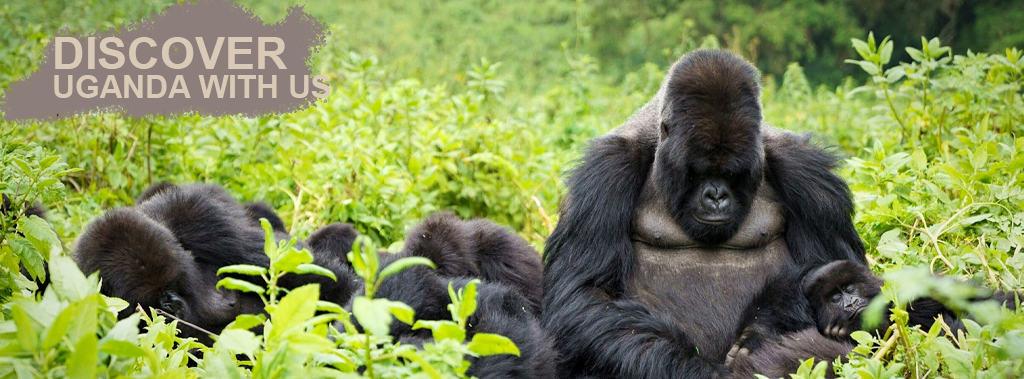
Rwanda Safari Tours & Gorilla Trekking
6-Day Rwanda and Uganda Loop
Weather through the year
Average temperatures and rainfall by month
Station: 20s300e · 19.6 km away · 1323m