
Experience in South Africa
Robben Island
About Robben Island
Robben Island is a historically significant island situated in Table Bay, approximately 6.9 kilometers (4.3 miles) west of Bloubergstrand, north of Cape Town, South Africa. Roughly oval in shape, it measures about 3.3 kilometers (2 miles) long north-south and 1.9 kilometers (1 1/8 miles) wide, covering an area of 5.08 square kilometers (1 31/32 square miles). The island is relatively flat, rising only a few meters above sea level. Its name, "Robben," is derived from the archaic Dutch word for seals, reflecting the island's original wildlife.
For nearly 400 years, Robben Island served as a place of banishment, isolation, and imprisonment, a role it maintained from the late 17th century until 1996. It gained international notoriety as a maximum-security prison for political prisoners during South Africa's apartheid era, most famously incarcerating Nelson Mandela for 18 of his 27 years of imprisonment. Beyond its use as a penal colony, the island also functioned as a hospital for socially marginalized groups, including a leper colony and a facility for the mentally and chronically ill, as well as a military base during World War II. In recognition of its profound importance to South Africa's political history and the triumph of democracy over oppression, Robben Island was declared a UNESCO World Heritage Site in 1999. Today, it is managed by the Robben Island Museum (RIM) as a living museum, dedicated to conservation, education, and promoting critical debate.
The island is an important ecological haven, particularly for seabirds. While the original African penguin colony was exterminated by 1800, a new colony has been established since 1983, making it a significant breeding area for this vulnerable species, though its population has seen a decline since 2004. Other wildlife includes various species of buck, such as Springbok and Eland, and three types of tortoises. Rabbits, introduced in 1654 as a food source, have become an invasive species, with efforts underway to manage their population. The northern parts of the island were designated a bird sanctuary in 1991.
Visitors can experience Robben Island through daily tours departing from the Nelson Mandela Gateway at the V&A Waterfront in Cape Town. These tours typically last about 3.5 hours, including the ferry journey, and offer a comprehensive exploration of the island's historical sites. Highlights include a walk through the old prison, a visit to Nelson Mandela's cell, and a bus tour providing commentary on significant locations like the lime quarry where political prisoners performed hard labor, and Robert Sobukwe's house. Many of the tour guides are former political prisoners, offering unique personal insights into the island's past. Additionally, Robben Island serves as a challenging starting point for numerous long-distance swimmers.
Things to see
Close by

Where to stay
Where to eat




Things to do
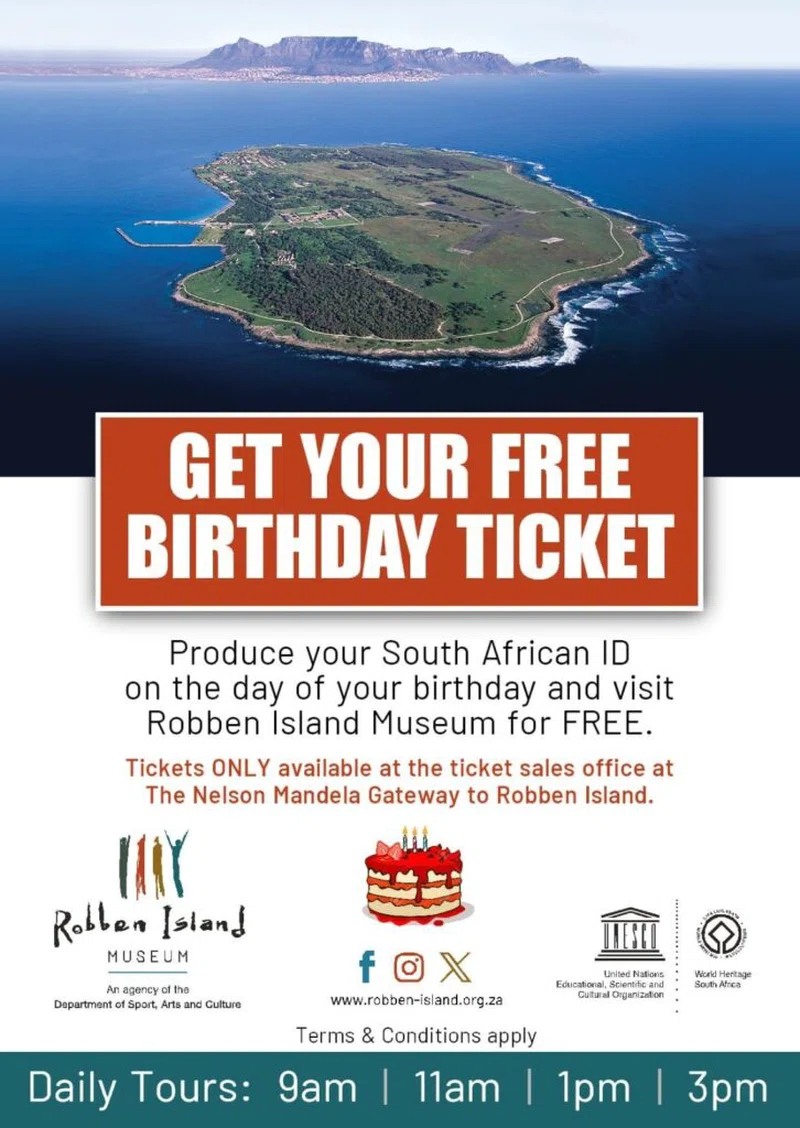
Robben Island

Waterfront Charters
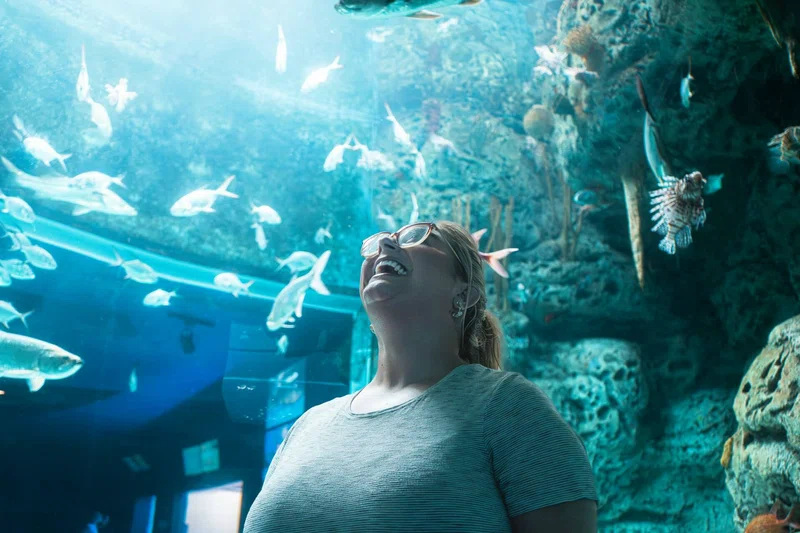
Cape Town Aquarium
Bo-Kaap Walking Tour & Food Tasting
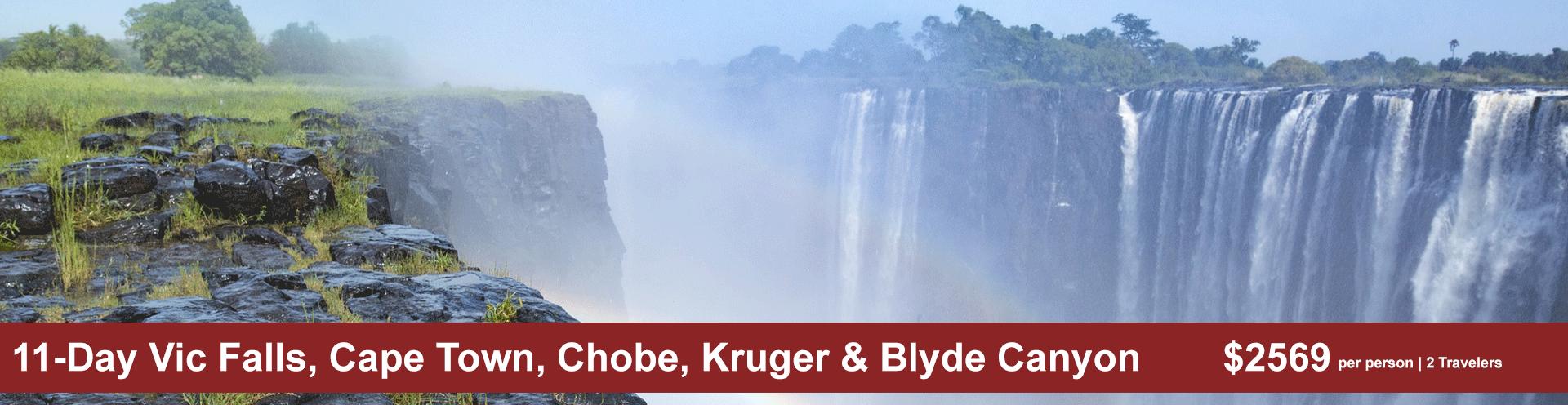
11 to 15 Day Tours
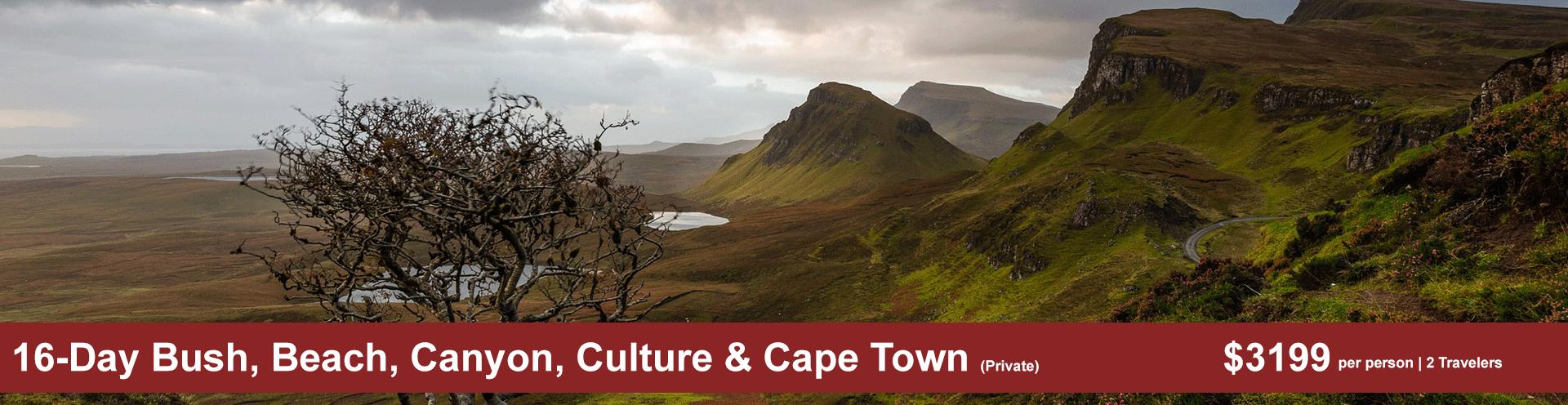
Garden Route, Karoo, Swaziland Tour
Weather through the year
Average temperatures and rainfall by month
Station: 339s184e · 24.5 km away · -9999m