
Experience in Rwanda
Rukari's King's Palace Museum
About Rukari's King's Palace Museum
The King's Palace Museum, also known as Rukari Palace Museum, is a significant cultural attraction located on a scenic hill in Nyanza, Rwanda, approximately three hours' drive from Kigali. Opened in 2008, the museum offers an immersive journey into Rwanda's monarchical history, covering the period from the 15th century until the monarchy's dissolution in 1961. The site harmoniously blends traditional and colonial architectural styles, providing a unique insight into the country's royal heritage.
The museum complex features a meticulously reconstructed replica of the traditional royal palace, designed in a beehive-like thatched structure, reflecting the architectural techniques used by King Yuhi V Musinga when he established a permanent royal residence in Nyanza in 1899. This traditional palace compound includes huts where milk and beer were historically prepared, offering a glimpse into the daily life and customs of the royal court. Behind the traditional palace, visitors can encounter the majestic Inyambo cattle, known for their impressive, super-sized horns, some spanning over 2.5 meters. These sacred cows are descendants of the king's herd from the 1950s and are cared for with great respect, with keepers maintaining the tradition of singing lullabies and ceremonial songs to them, highlighting the deep cultural connection between Rwandans and their animals.
The museum tour also includes the modern Art Deco palace, built in 1932 for King Mutara III Rudahigwa, who reigned from 1931 to 1959. This colonial-style residence contrasts sharply with the traditional palace and has been preserved to reflect the king's daily life and official duties. Inside, exhibits detail the monarchical period, showcasing artifacts related to the king's reign and replicas of furnishings that were lost during the 1994 Genocide Against the Tutsi. Informative panels in English provide further context on Rwanda's history, including King Mutara's conversion to Catholicism and his initial admiration for Belgian rulers. The museum also offers cultural performances featuring traditional Rwandan music, dance, and storytelling, as well as activities like sorghum grinding and milking demonstrations, enriching the visitor experience.
Nyanza, once a nomadic royal court that became a permanent capital under King Musinga, continues to be a vital center of Rwandan culture. The King's Palace Museum serves as a bridge between Rwanda's ancient monarchy and its contemporary society, attracting both tourists and locals eager to explore the nation's rich historical roots and enduring traditions. A guided tour is highly recommended to gain valuable insights into the history and significance of each section of the museum.
Things to see
Close by

Where to stay
Things to do

Rukari's King's Palace Museum
Nyamata Genocide Memorial
Rwanda Safari
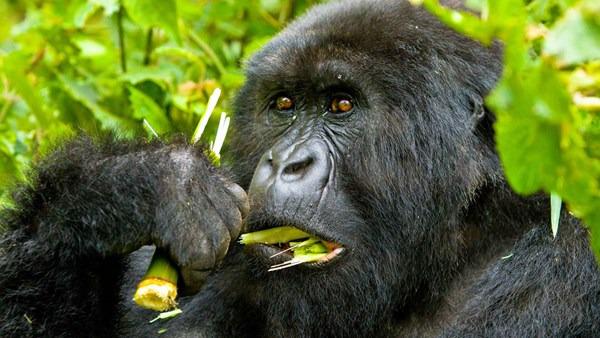
6 Days Uganda and Rwanda Gorilla Tour

Rwanda Safari Tours & Gorilla Trekking
6-Day Rwanda and Uganda Loop
Weather through the year
Average temperatures and rainfall by month
Station: 23s294e · 30.9 km away · 2591m