
Experience in South Africa
Three Rondavels
About Three Rondavels
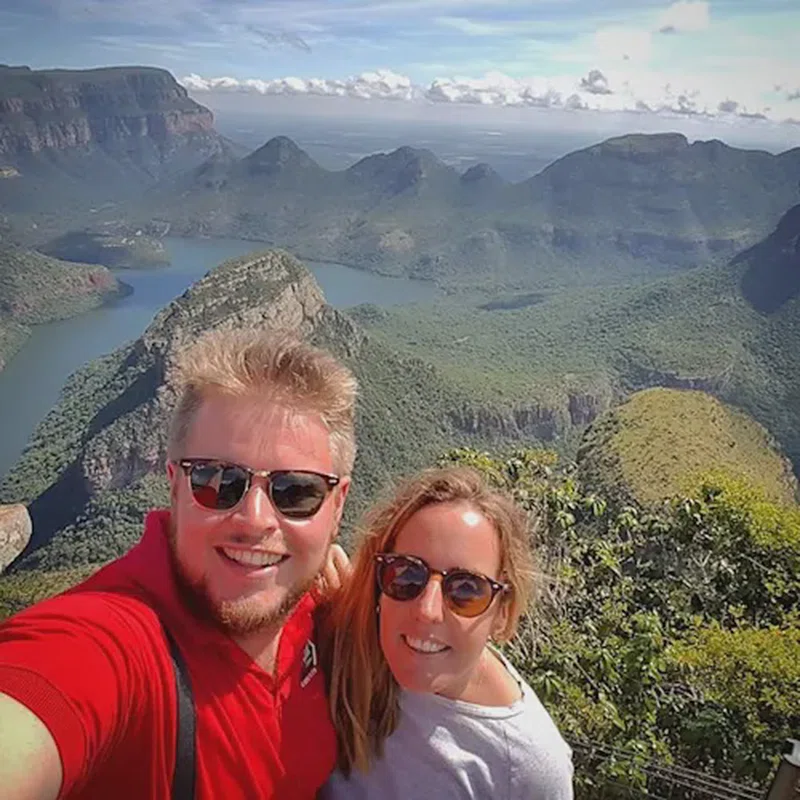
The Three Rondavels are a prominent natural landmark located at the northern end of the Drakensberg Range in Mpumalanga, South Africa, offering spectacular views over the Blyde River Canyon. These three distinctive, round, grass-covered mountain peaks, with their somewhat pointed summits, strikingly resemble traditional African beehive huts, known as rondavels. They are also sometimes referred to as the Three Sisters. Towering approximately 700 meters above the surrounding landscape, with the viewpoint itself situated 1,380 meters above sea level, these geological formations are composed of resistant quartzite and shale, which remained after softer underlying stone was eroded away over millions of years by the Blyde, Treur, and Ohrigstad Rivers. This slow erosion process has sculpted the dramatic rock formations visible today.
Culturally, the Three Rondavels hold significant historical meaning for the local Bapedi people. They are named after the legendary 19th-century Bapedi chief, Maripi Mashile, whose flat-topped peak, Mapjaneng ("the chief"), stands adjacent to them. The three rondavels themselves are named after his three "troublesome" wives: Magabolle, Mogoladikwe, and Maseroto. Chief Maripi Mashile is celebrated for successfully defending his people against invading Swazi forces in a memorable battle fought in this area. The broader Blyde River Canyon region, where the Three Rondavels are situated, has long held strong spiritual significance for various South African tribes, adding to the rich cultural tapestry of the landscape.
As a key attraction along Mpumalanga's famous Panorama Route, the Three Rondavels offer visitors breathtaking vistas of the Blyde River Canyon, which is recognized as the third largest canyon in the world. The area is rich in biodiversity, forming part of the Blyde River Canyon Nature Reserve. Wildlife in the reserve includes mountain reedbuck, baboons, various antelope species, hippos, and crocodiles. Notably, the Blyde River flat gecko is an endemic species known to inhabit the cliff face of one of the rondavels. Visitors can explore other natural wonders nearby, such as Bourke's Luck Potholes, God's Window, Lisbon Falls, and Berlin Falls, all accessible via well-maintained roads. An entrance fee is typically required to access the viewpoint, and the dry season, from October to March, is often recommended for the clearest views and optimal photographic opportunities. Sensible footwear is advised due to the lack of a rail at the viewpoint.
Things to see
Close by

Where to stay




Where to eat





Things to do
Three Rondavels

4-Day Greenfire Lodge Safari
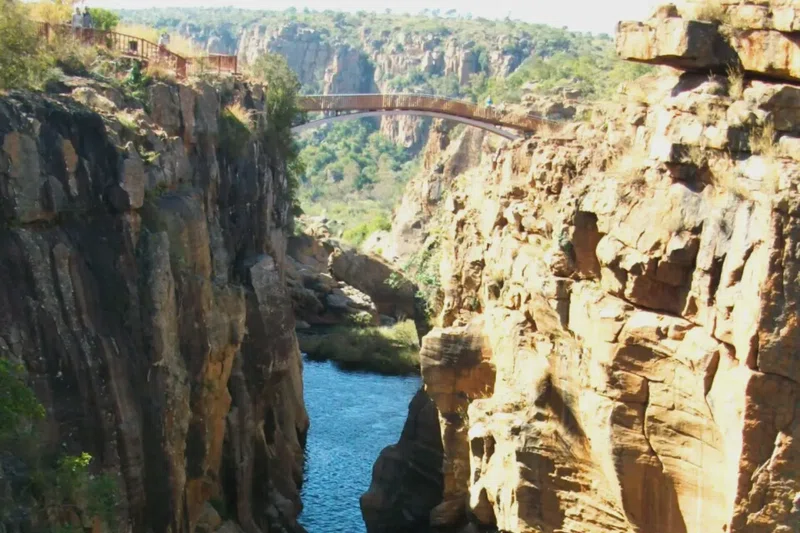
Bourke's Luck Potholes
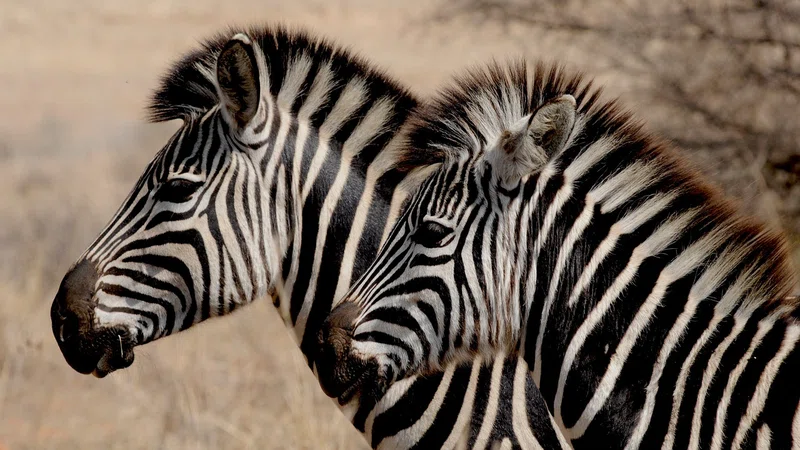
3-Day Luxury Kruger Khaya Ndlovu Safari Manor Tour
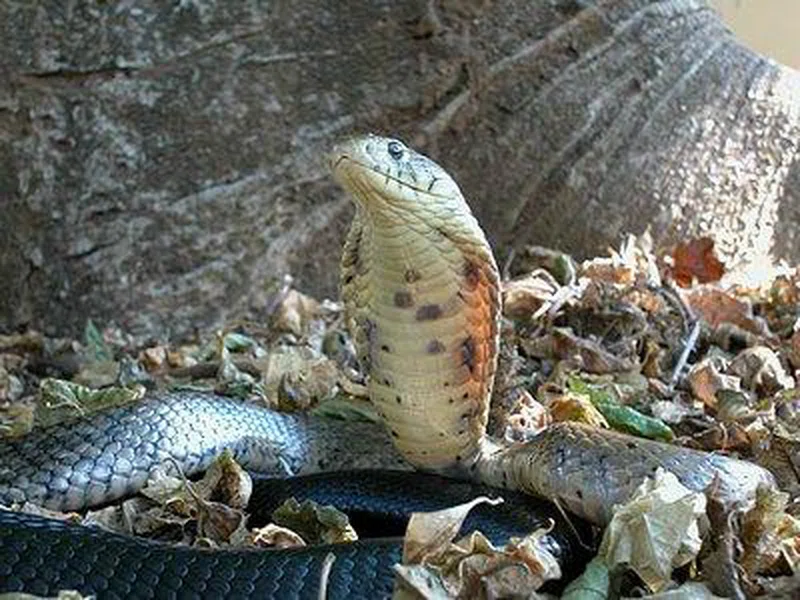
Khamai Reptile Centre
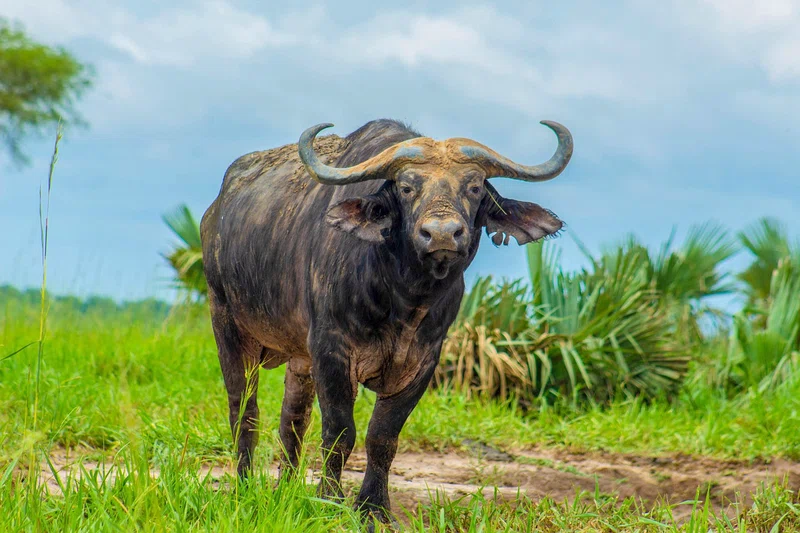
2-Day Dumela Camping Budget Adventure at Blue Canyon
Weather through the year
Average temperatures and rainfall by month
Station: 245s309e · 19.6 km away · 699m