
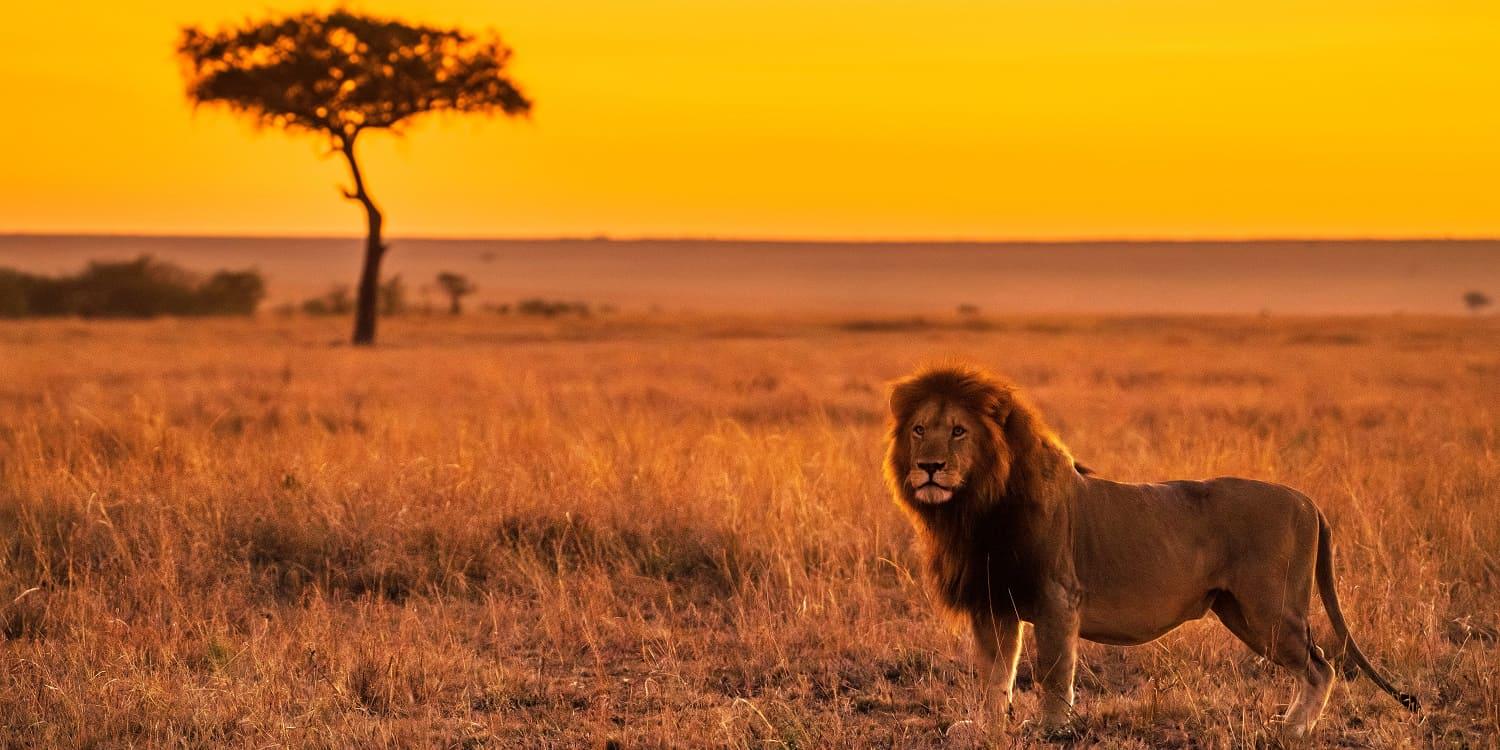
Masai Mara National Reserve
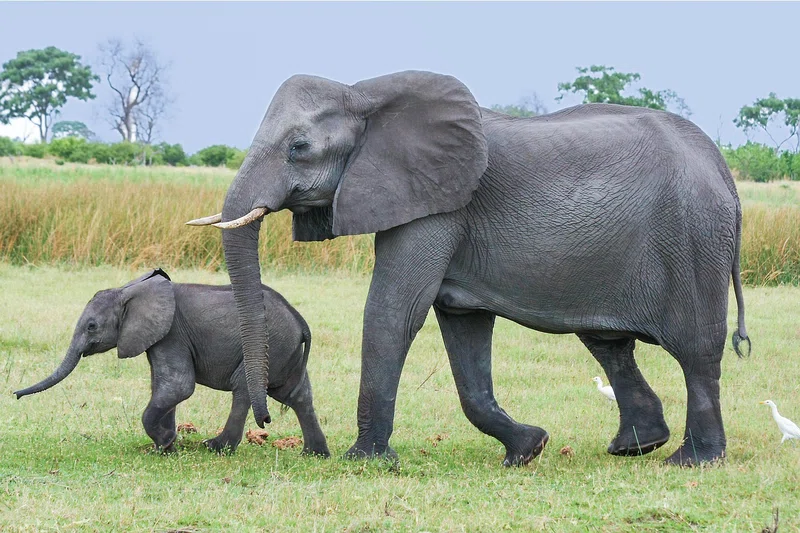
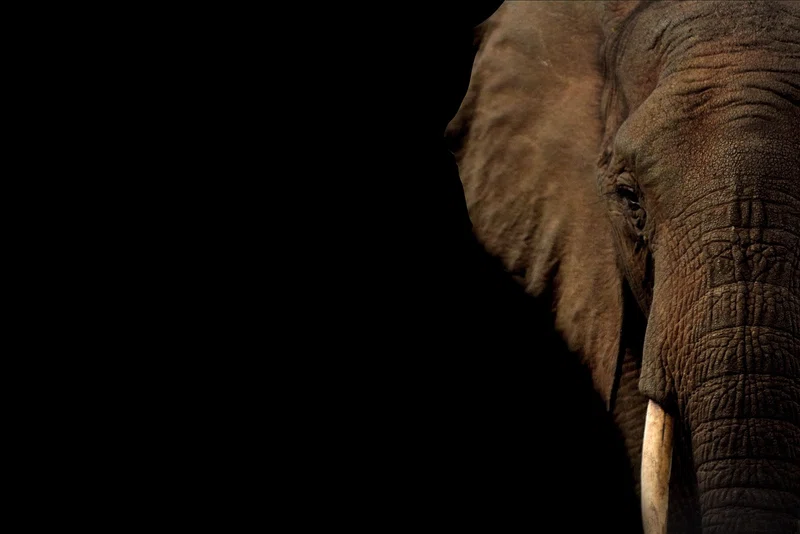
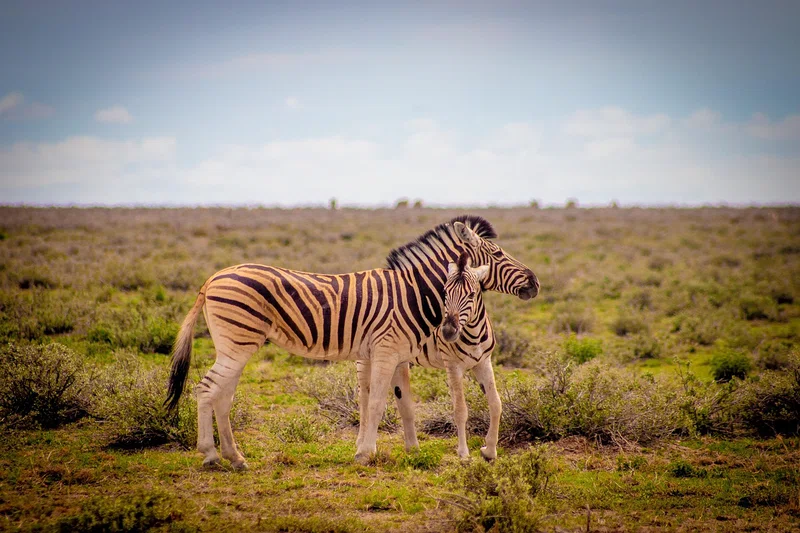
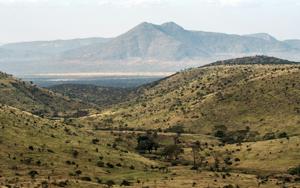
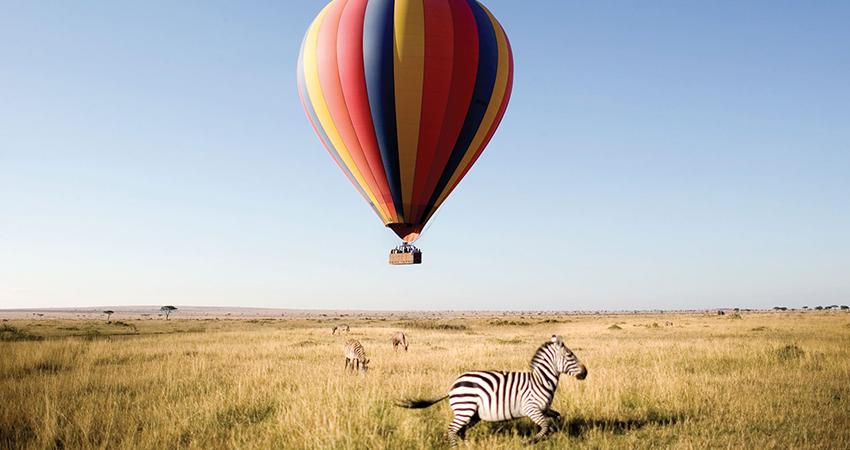
The Masai Mara National Reserve is a major wildlife conservation area situated in Narok County in southwestern Kenya, positioned within the Great Rift Valley roughly 230 to 270 kilometers southwest of Nairobi. Spanning approximately 1,510 square kilometers (580 square miles), the reserve directly borders Tanzania's Serengeti National Park to the south, forming the northern reach of the broader transboundary Serengeti-Mara ecosystem. Its terrain consists primarily of open savannah grasslands dappled with acacia trees and shrubs, rolling hills, marshlands such as Musiara Marsh, and the dramatic Oloololo (Siria) Escarpment along its western boundary. The reserve is drained by the Mara, Talek, and Sand rivers, with the Mara River serving as its primary permanent water source.The reserve supports one of Africa's densest concentrations of large mammals, including all members of the Big Five: lions, African bush elephants, African buffaloes, leopards, and black rhinoceroses. It also harbors large populations of cheetahs, spotted hyenas, giraffes, zebras, and over 500 recorded bird species, including numerous raptors, crowned cranes, and secretary birds. The region is internationally renowned for the Great Migration, an annual wildlife event taking place predominantly between July and October. During this season, more than 1.5 million wildebeest, accompanied by hundreds of thousands of zebras and gazelles, trek across the crocodile-inhabited Mara River from the Serengeti in search of fresh grazing lands.First set aside as a wildlife sanctuary in 1961 and converted into a game reserve in subsequent years, the sanctuary takes its name from the indigenous Maasai people, who have inhabited the region for centuries as semi-nomadic pastoralists. In the local Maa language, "Mara" means "spotted," describing the landscape's characteristic pattern of scattered trees, cloud shadows, and shrubs. Unlike Kenya's national parks, which are managed by the central government, the Masai Mara National Reserve is administered by the County Government of Narok, with the western Mara Triangle managed by the non-profit Mara Conservancy. Surrounding community conservancies, managed in partnership with Maasai landowners, provide critical buffer zones and wildlife corridors around the reserve's unfenced perimeter.
Quick Info
Own this place?
Claim it to manage photos, respond to visitors, and promote it to travelers.
Claim this listing →Safari Tours
10 tours departing from this area
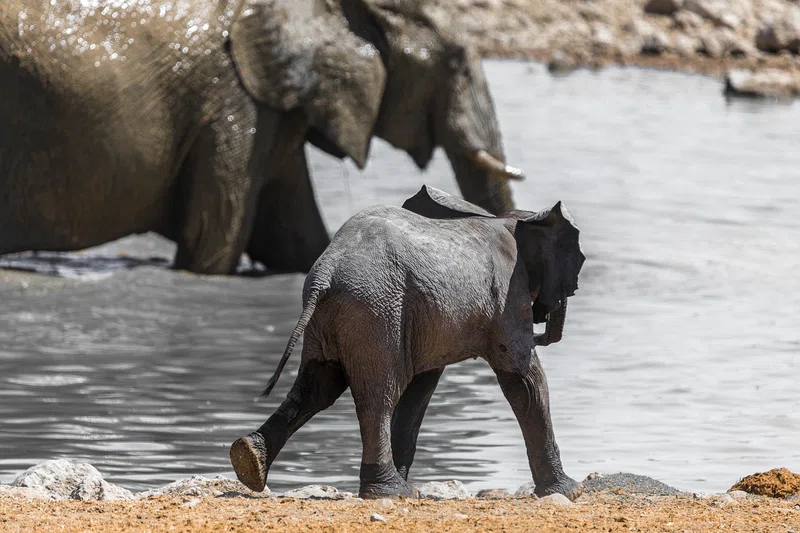 luxury5 days
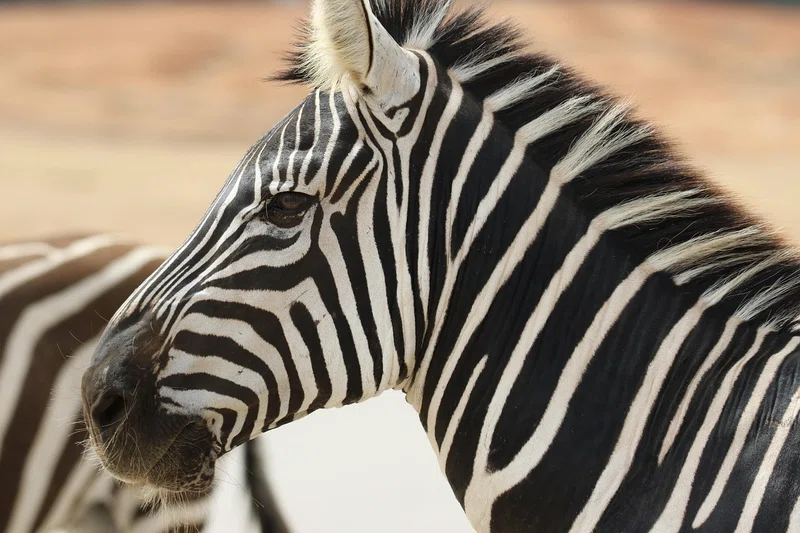 luxury5 days
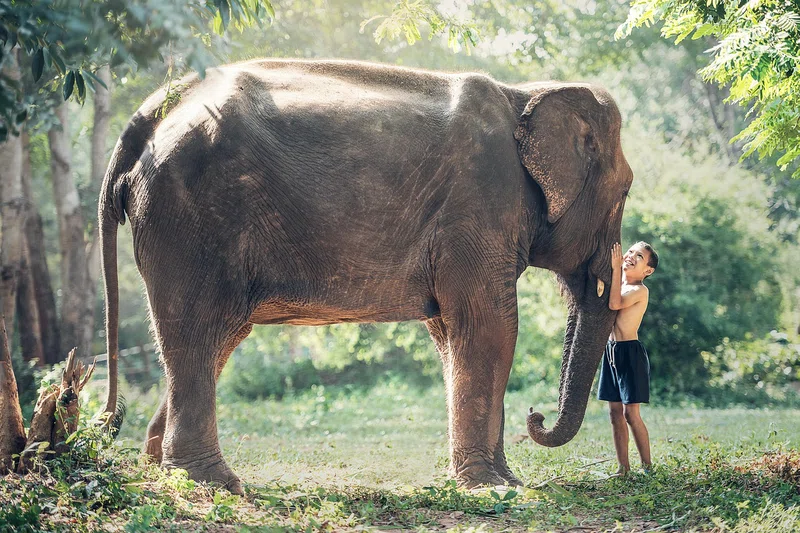 luxury13 days
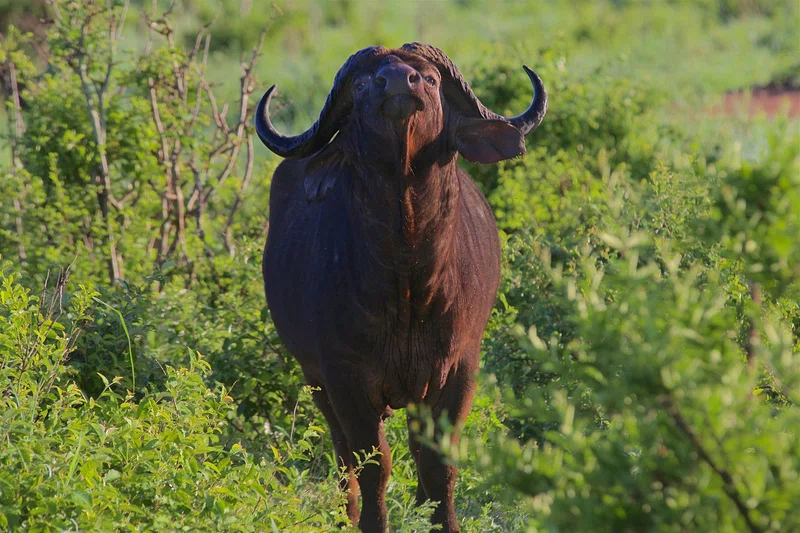 luxury4 days
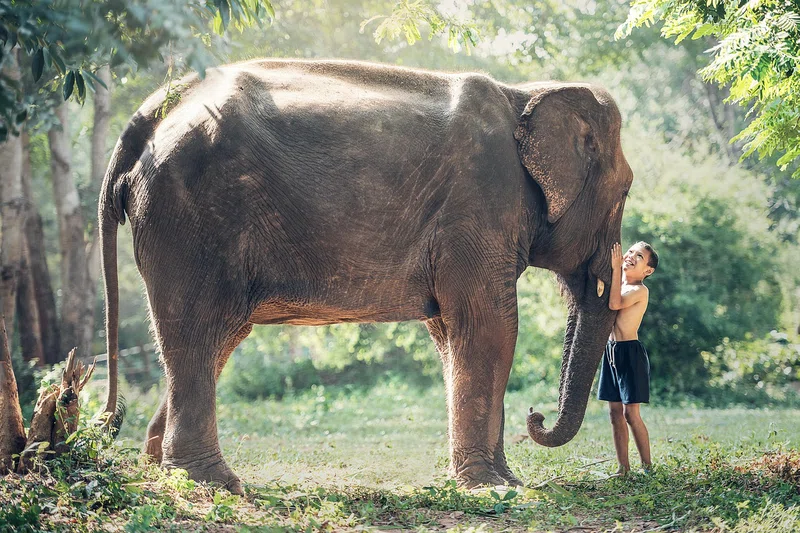 luxury8 days
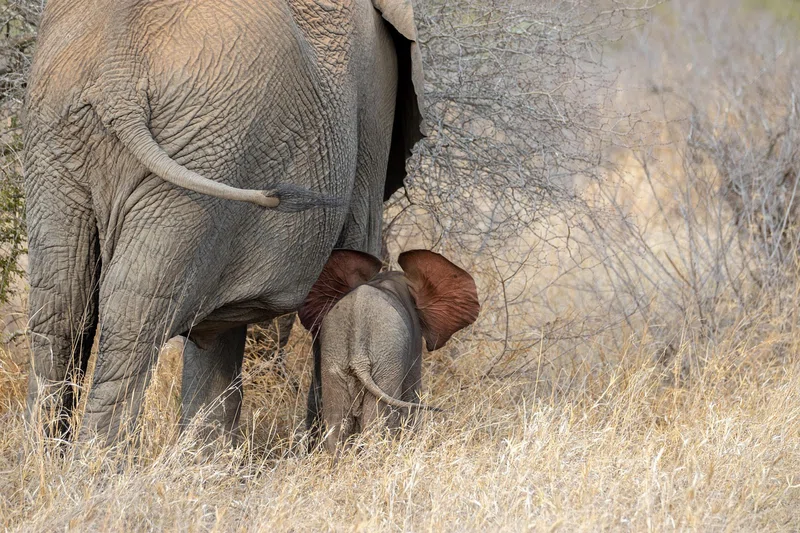 luxury10 days
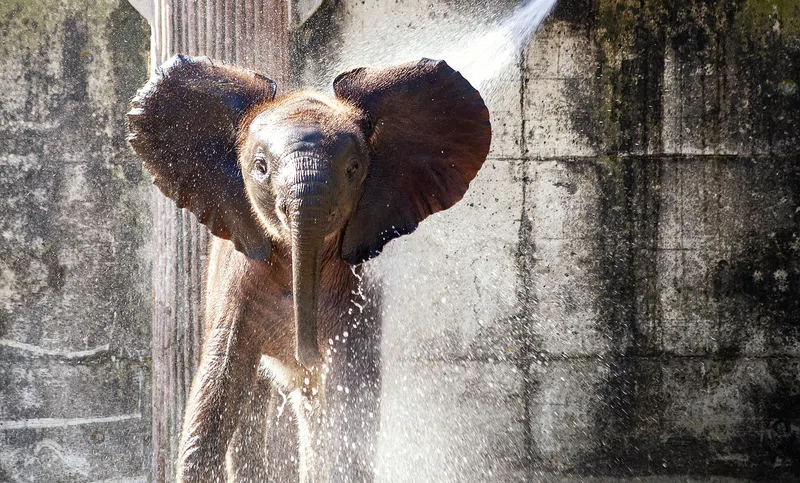 luxury8 days
 luxury11 days
 luxury5 days
 luxury10 days


3 Days Maasai Mara Camping Safari
0.0 km away

Safari in Kenya
0.0 km away
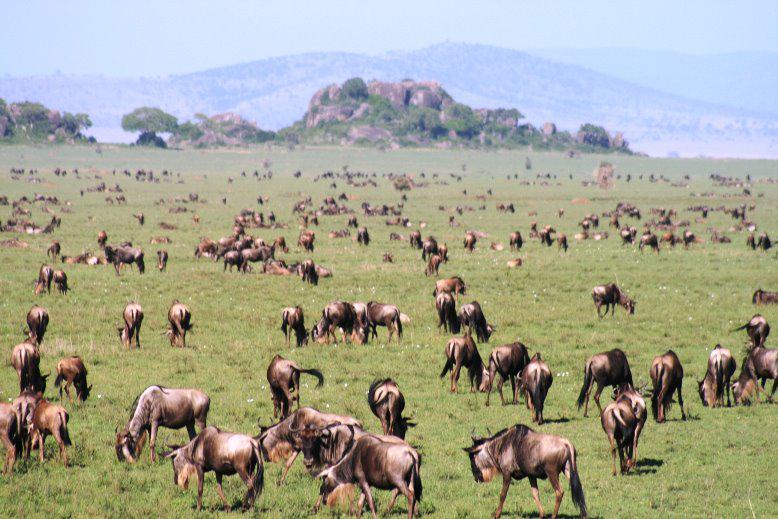
3 Days Enkorok Mara Camp
0.0 km away

Masai Mara 6 Days Safari
0.0 km away
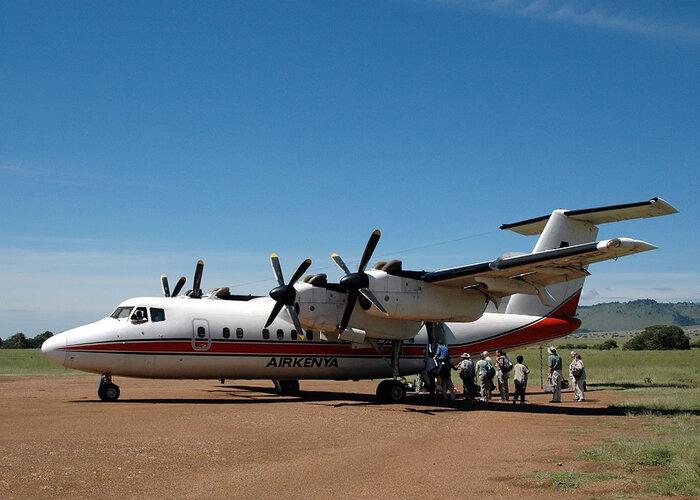
3 Days Masai Mara Luxury Flying Safari
0.0 km away
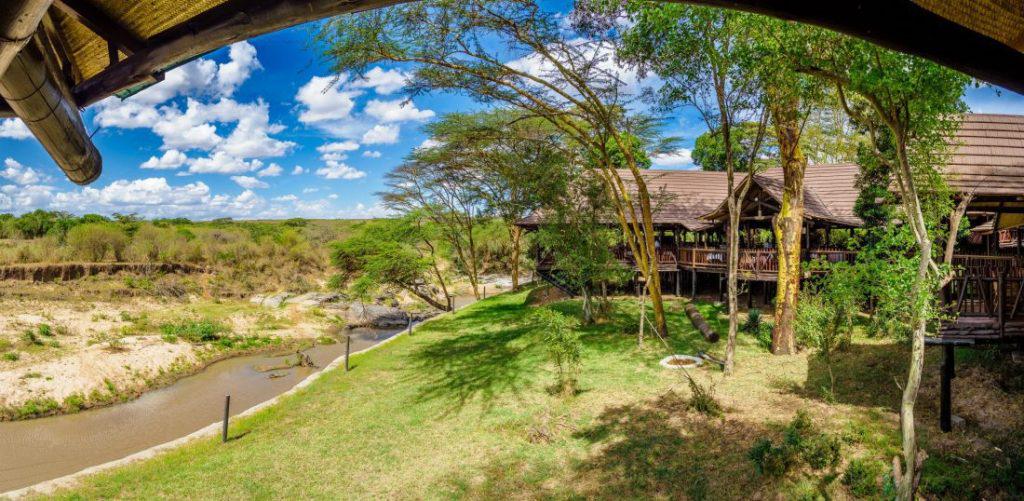
3 Days Masai Mara Ashnil Camp
0.0 km away
Weather & Rainfall Patterns
Station: 14s350e · 30.1 km away · 1592m