
Nkasa Rupara National Park
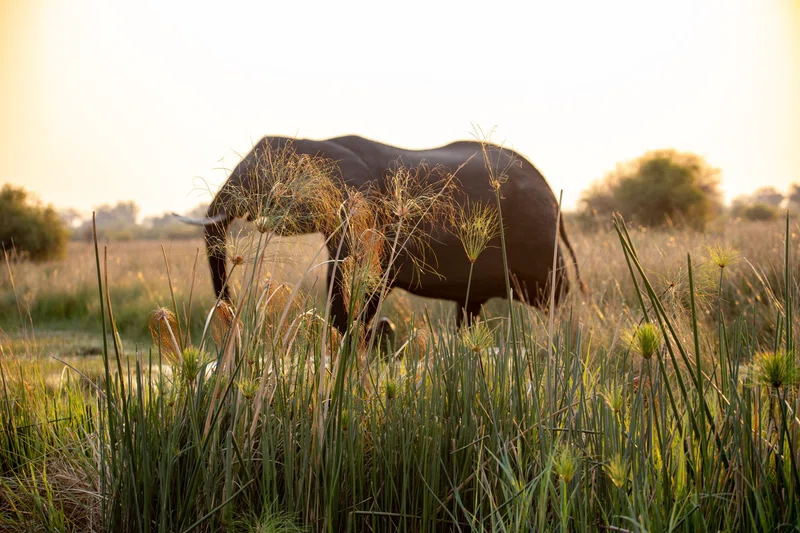
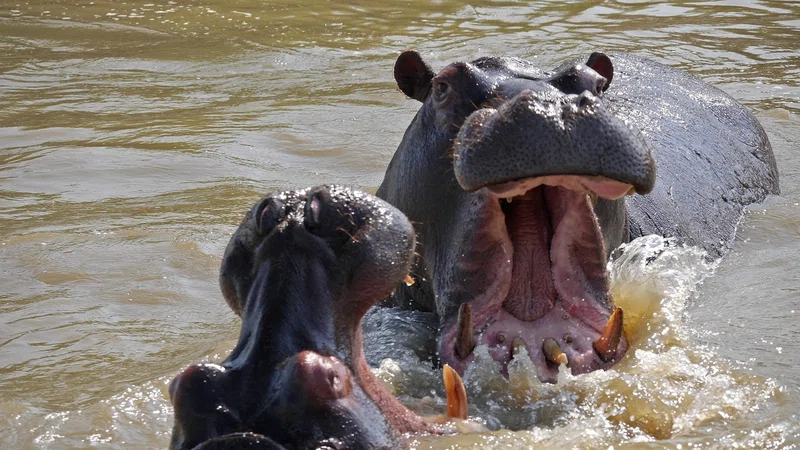
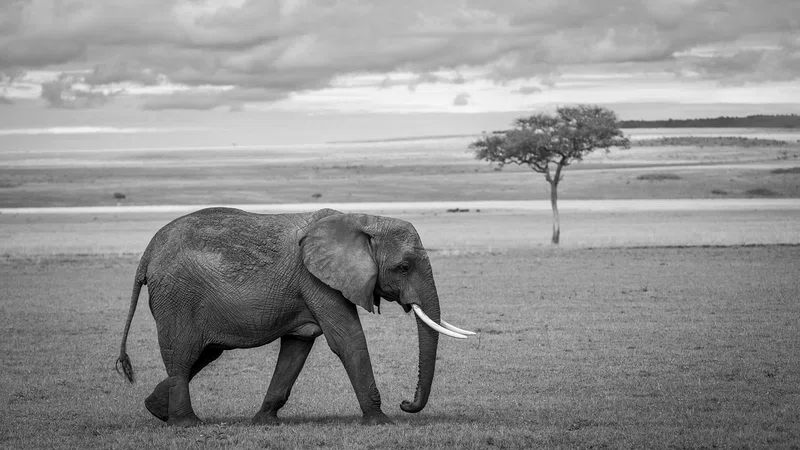
Nkasa Rupara National Park, formerly known as Mamili National Park, is situated in the southwestern corner of the Zambezi Region in northeastern Namibia. Officially proclaimed on March 1, 1990, and renamed in 2012, the park covers 320 square kilometers and represents Namibia's largest formally protected wetland area. It is bordered by the Kwando River along its western boundary and the Linyanti River to the southeast along the international border with Botswana. The landscape consists of flat floodplains, complex reed beds, channels, open lagoons, and tree-covered islands built on ancient termite mounds. Seasonal floodwaters originating from Angolan highlands periodically inundate large portions of the park, creating a dynamic hydrological environment similar to the Okavango Delta.The park protects diverse wildlife and contains Namibia's largest concentration of buffaloes, estimated at around 1,000 individuals. Its rivers and channels support populations of hippopotamuses and Nile crocodiles, alongside elephants, lions, leopards, spotted hyenas, African wild dogs, roan antelopes, and spotted-necked otters. It is also a key sanctuary for rare wetland antelopes such as sitatunga, red lechwe, reedbuck, and puku. With over 430 recorded bird species, including wattled cranes, slaty egrets, Pel's fishing-owls, and black-cheeked lovebirds, the park is an important area for avian biodiversity. Visitors must be self-sufficient and utilize four-wheel-drive vehicles equipped with recovery gear, as there are no commercial shops or fuel stations inside the park. Designated wilderness camping areas exist at Mparamura and Lyadura along the Kwando River.Nkasa Rupara holds significant cultural and conservation importance. Its original name honored traditional chiefs of the Mafwe tribe, while its current name refers to two major river islands, Nkasa and Rupara, within its territory. Because the park is unfenced, it serves as a critical transboundary migration corridor for wildlife moving between Angola, Botswana, Namibia, and Zambia within the Kavango Zambezi Transfrontier Conservation Area (KAZA TFCA). The park is managed through integrated management plans involving local community conservancies, such as the Wuparo Conservancy, combining wildlife monitoring and anti-poaching efforts with local tourism concessions that support community livelihoods.
Quick Info
Own this place?
Claim it to manage photos, respond to visitors, and promote it to travelers.
Claim this listing →Safari Tours
3 tours departing from this area
 luxury12 days
 luxury11 days
luxury
11-Day Wildlife Highlights Tour
$7,150
 Premeleo Expedition Africa Cc trading as PEA Tours and Safaris
 luxury10 days
luxury
10-Day Ultimate Namibian Northeast Adventure
$6,160
Premeleo Expedition Africa Cc trading as PEA Tours and Safaris


Weather & Rainfall Patterns
Station: 183s234e · 25.5 km away · 965m