
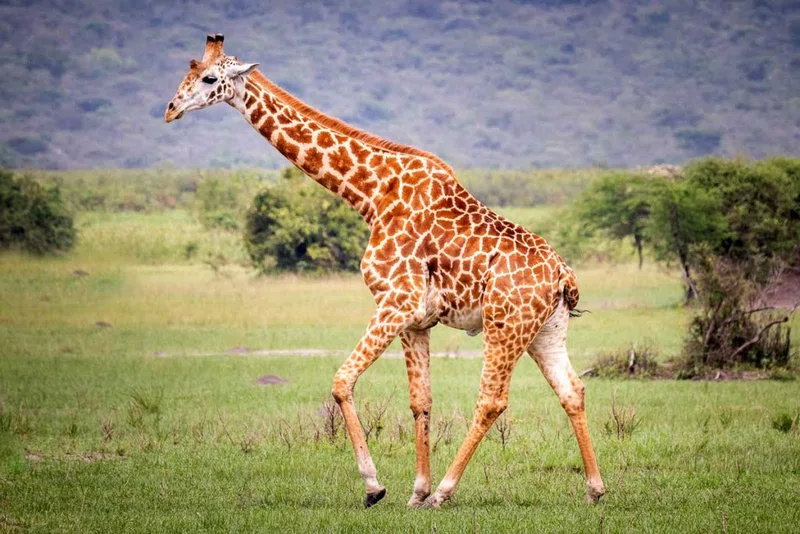
Lake Mburo National Park
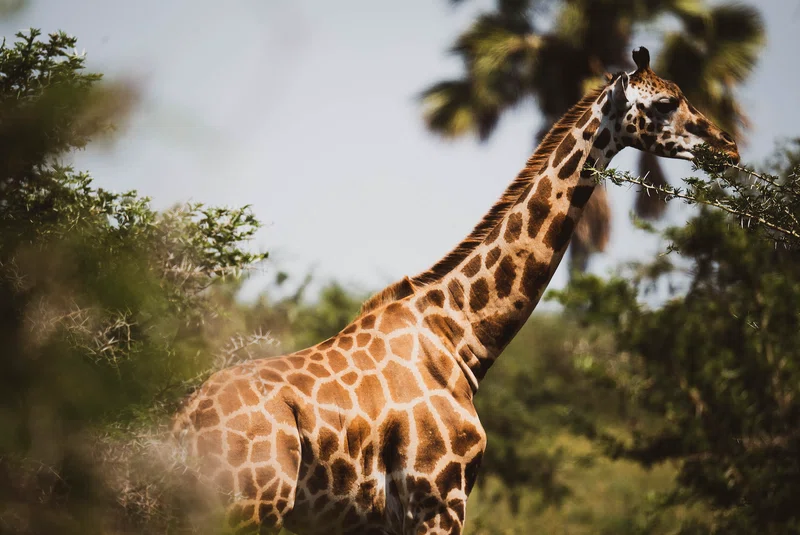
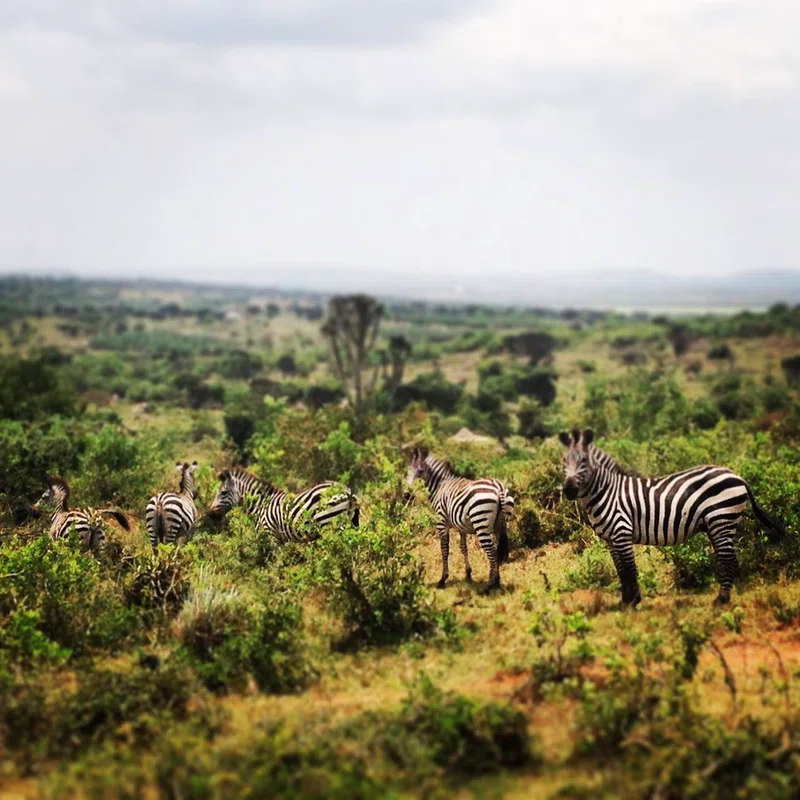
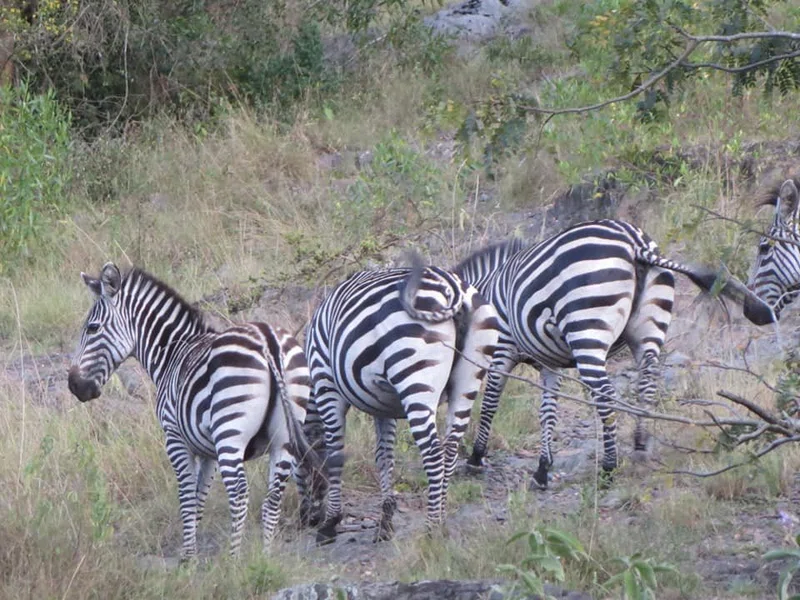
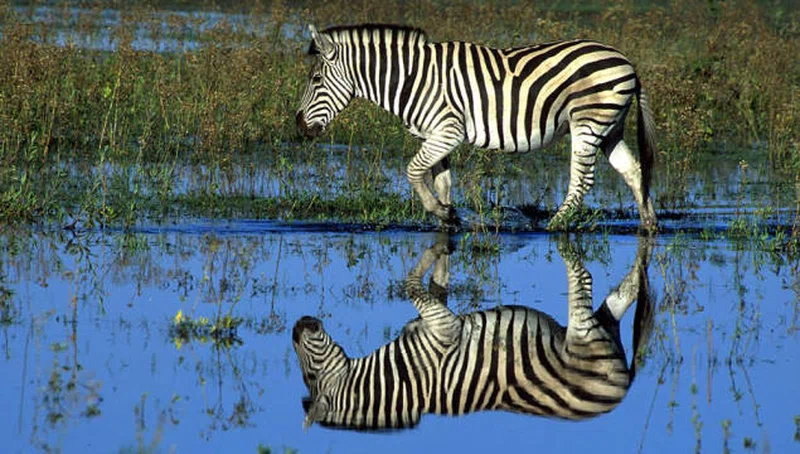
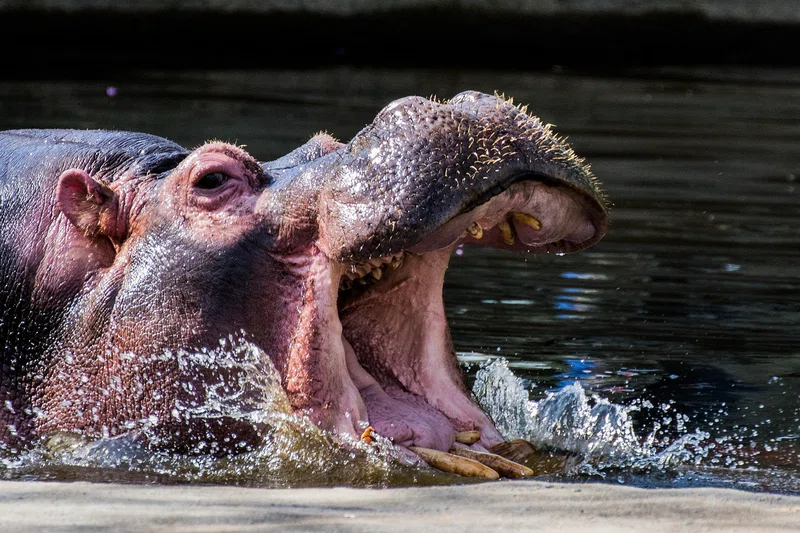
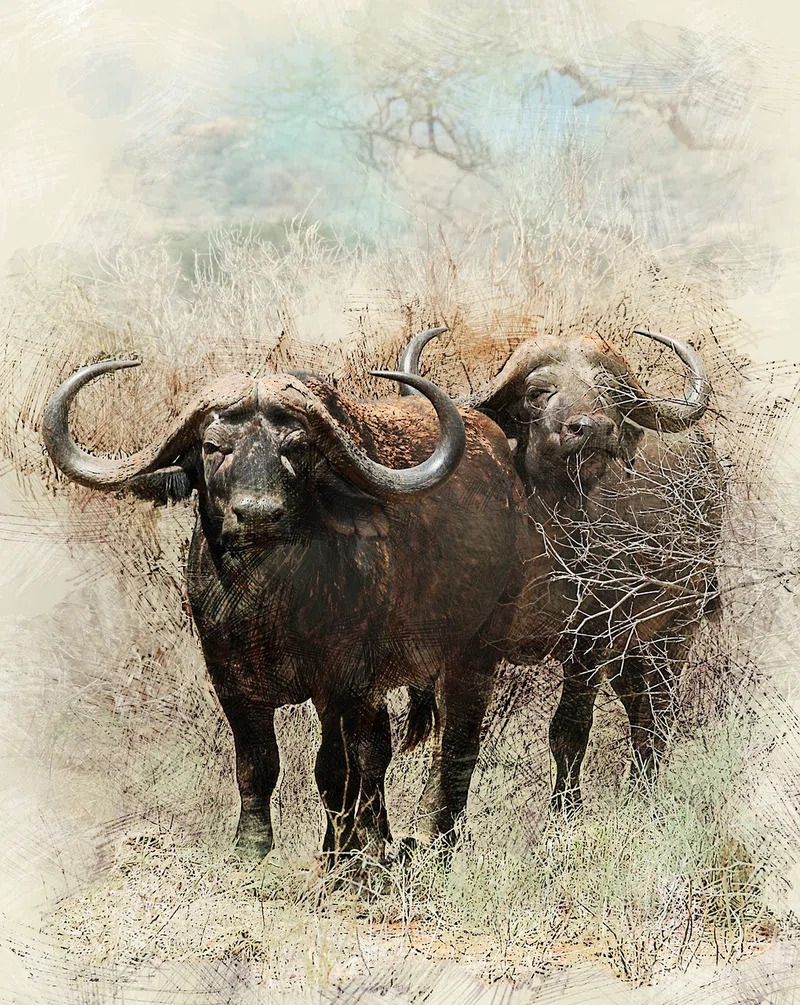
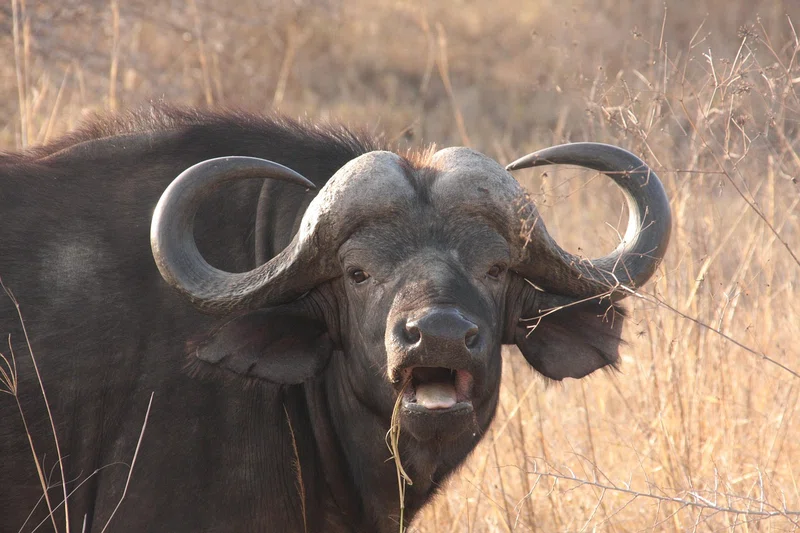
Lake Mburo National Park is located in Nyabushozi County, Kiruhura District, in western Uganda, approximately 240 kilometers west of Kampala and 30 kilometers east of Mbarara. Spanning approximately 370 square kilometers at altitudes between 1,220 meters and 1,828 meters above sea level, it is Uganda's smallest savanna national park. Wetlands and open water cover roughly 20 percent of the park's surface, forming part of a 50-kilometer wetland system that encompasses five lakes within the park boundaries, with Lake Mburo being the largest. The terrain consists of open savanna, dense acacia woodland, rocky ridges, forested gorges, papyrus swamps, and lush riparian forests.Because elephants are absent from the ecosystem, acacia woodlands thrive freely alongside savanna grasslands. The park harbors over 68 mammal species, including Uganda's only population of impalas, as well as the country's largest herd of Burchell's zebras, common elands, Defassa waterbucks, topis, Cape buffaloes, warthogs, hippos, and Nile crocodiles. Translocated Rothschild's giraffes also inhabit the park, while nocturnal predators include leopards and spotted hyenas. Birdlife is diverse with over 300 recorded species, including the African finfoot, shoebill, red-faced barbet, and grey crowned crane. Popular visitor activities include game drives, boat cruises on Lake Mburo, guided walking safaris, horseback safaris, mountain biking, and sport fishing.The region has deep historical ties to the pastoral Banyankole Bahima people, who traditionally grazed their long-horned Ankole cattle across the plains, historically known as Kaaro Karungi. According to local folklore, the park and lake are named after Mburo, a brother who drowned in a sudden flood foretold in a dream by his brother Kigarama. First gazetted as a controlled hunting area in 1933 and upgraded to a game reserve in 1963, the territory was declared a national park in 1983. Following land disputes and re-gazetting in 1986, contemporary park management integrates community conservation, allowing traditional cattle grazing alongside wildlife and sharing park revenues with neighboring communities.
Quick Info
Own this place?
Claim it to manage photos, respond to visitors, and promote it to travelers.
Claim this listing →Safari Tours
10 tours departing from this area
 luxury12 days
 luxury20 days
 luxury16 days
 luxury7 days
 luxury7 days
 luxury13 days
 luxury10 days
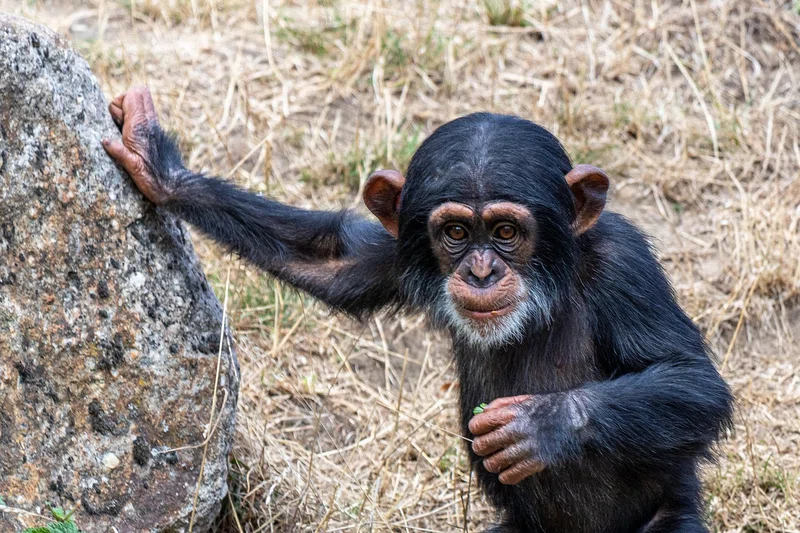 luxury11 days
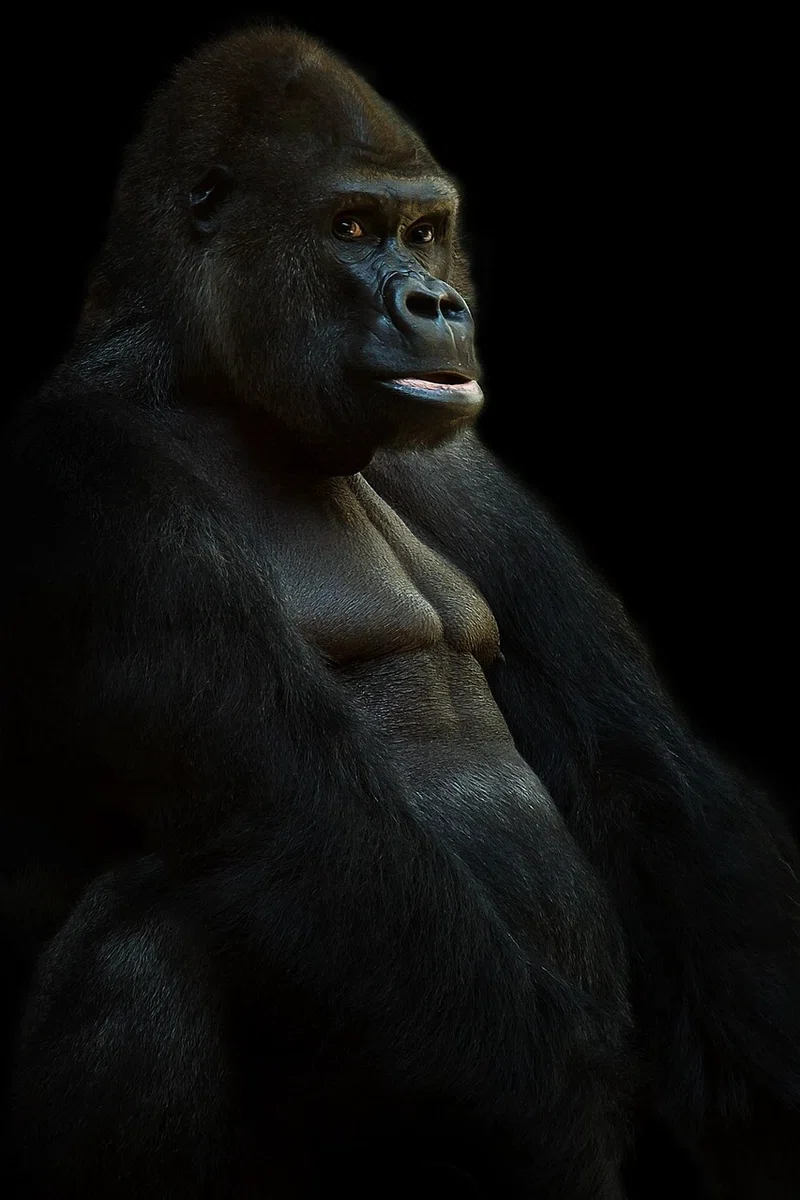 luxury12 days
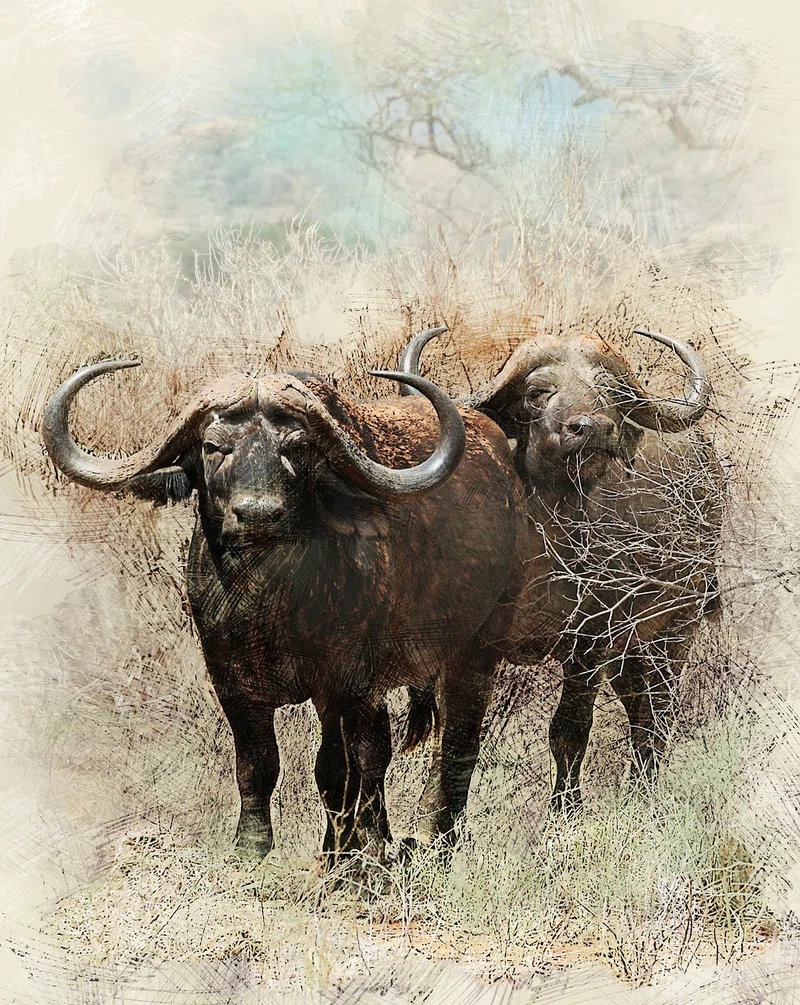 luxury7 days



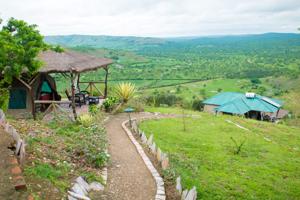
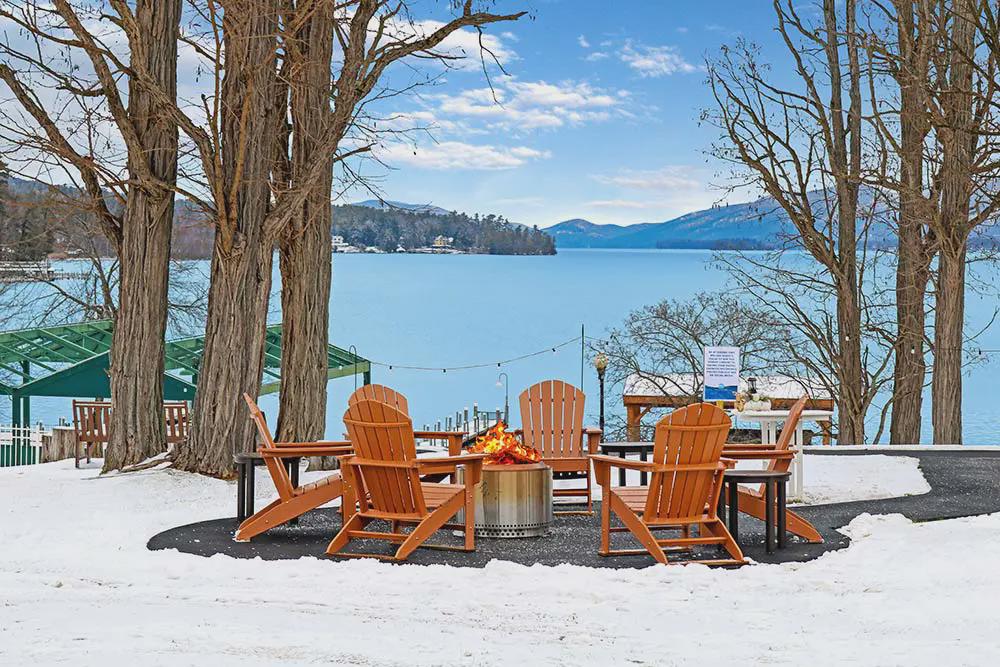
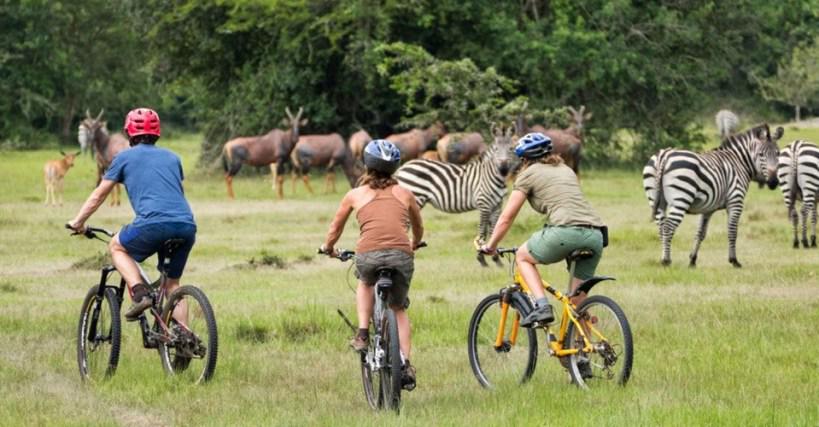
2 Day Lake Mburo Safari
0.0 km away
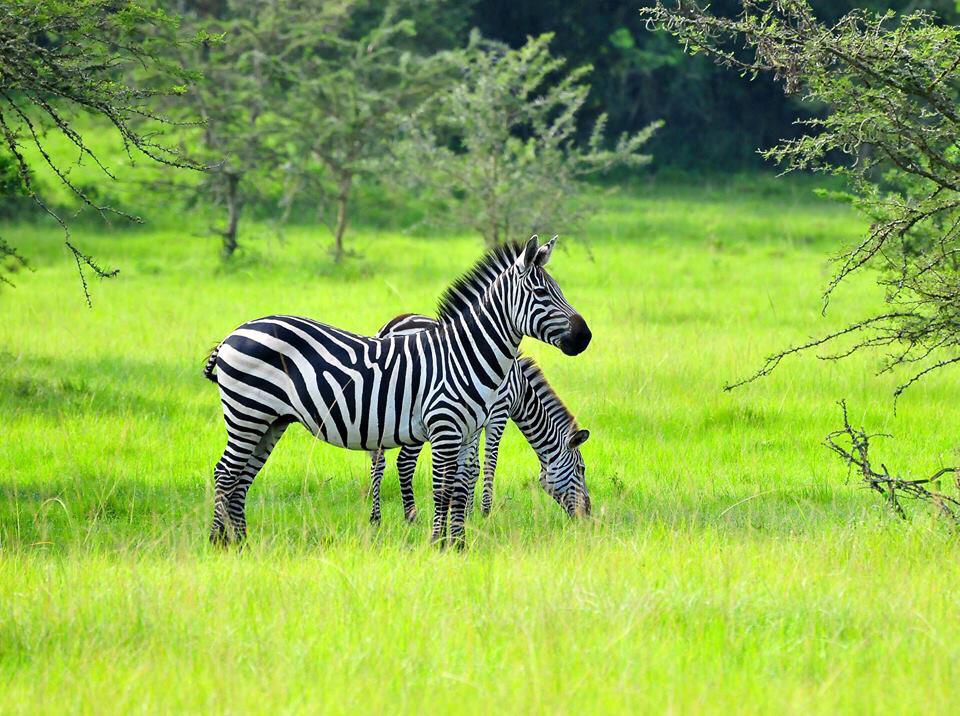
1 Day Lake Mburo Safari
0.0 km away
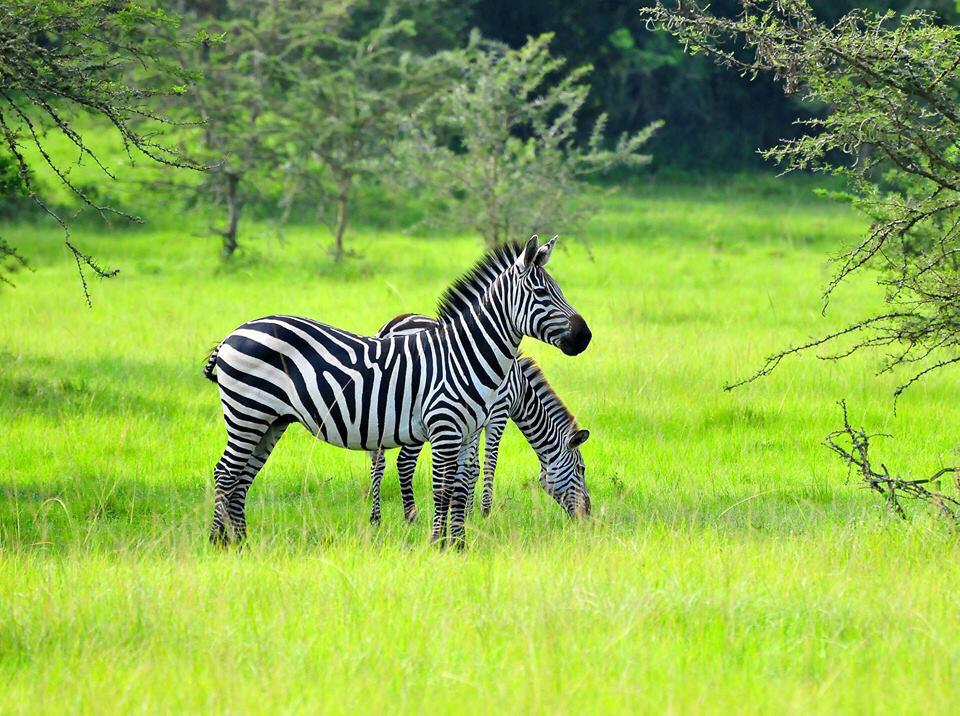
1 Day Lake Mburo Safari
0.0 km away
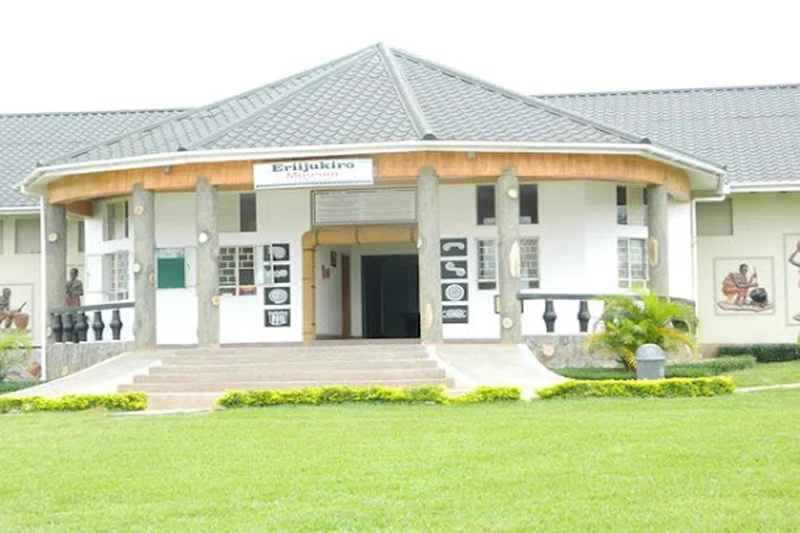
Igongo Cultural Centre
0.0 km away
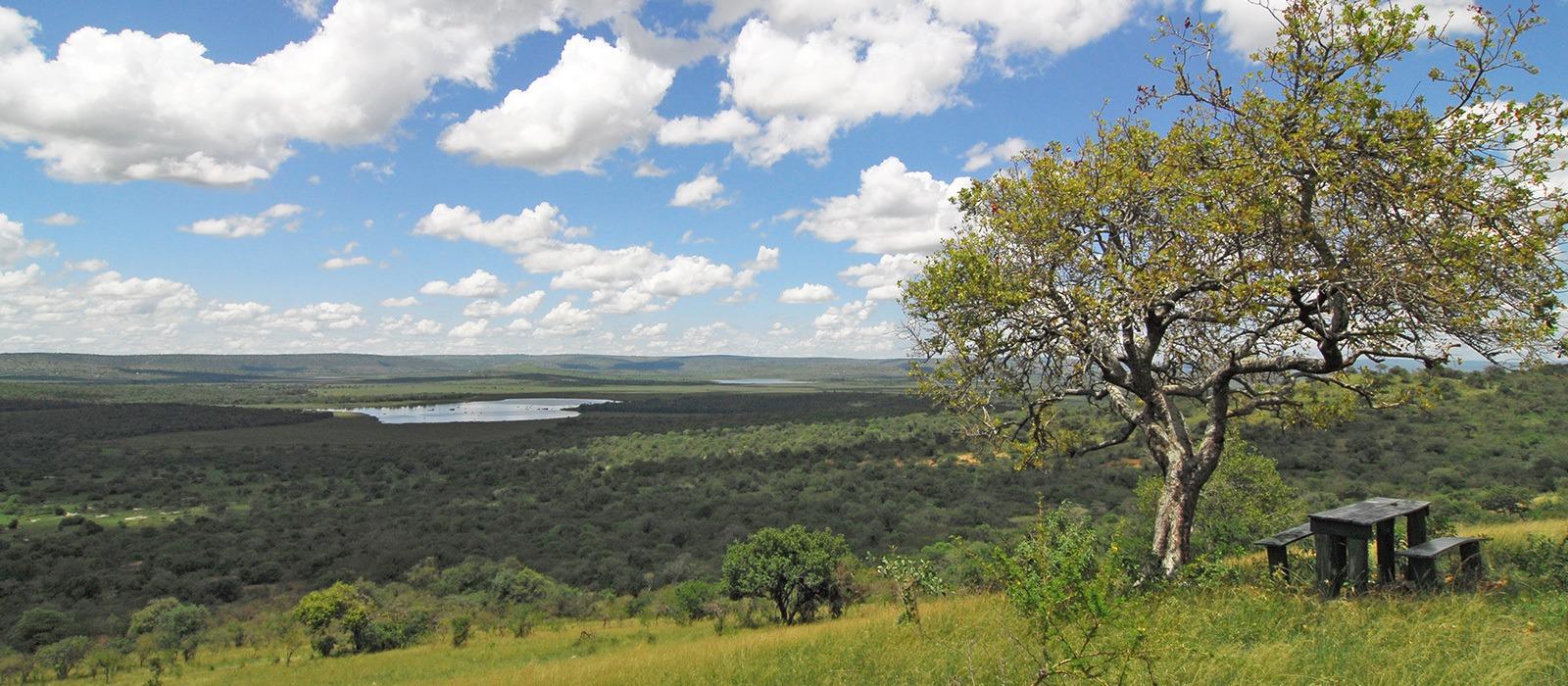
7-Day Kibale, Bwindi & Lake Mburo Safari
0.0 km away
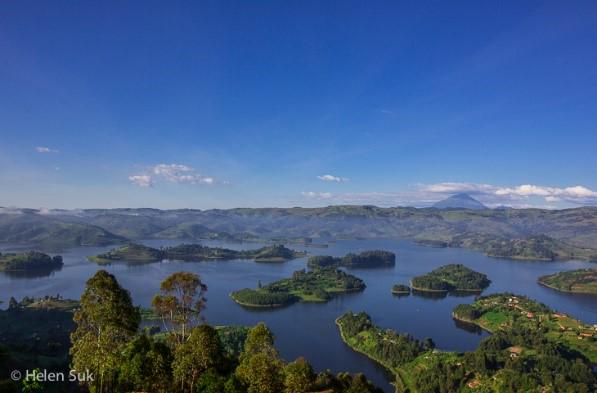
5-Day Lake Mburo Bonanza
0.0 km away
Weather & Rainfall Patterns
Station: 5s309e · 18.2 km away · 1318m