
Simien Mountains National Park
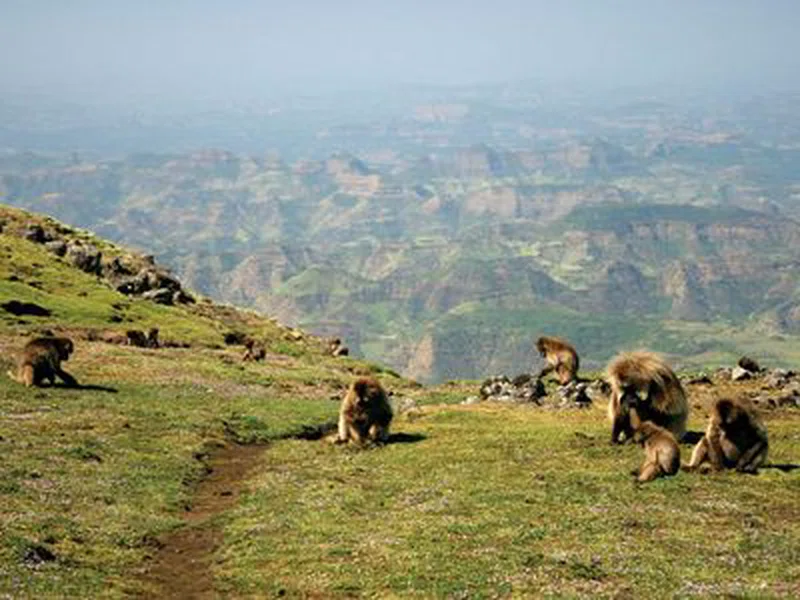
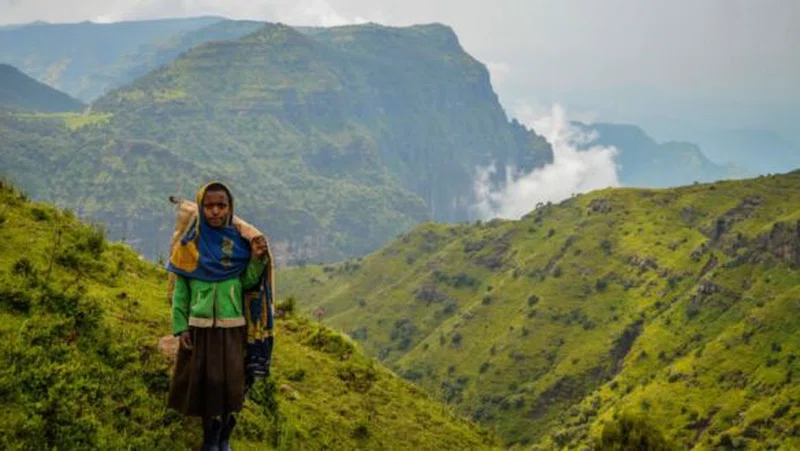
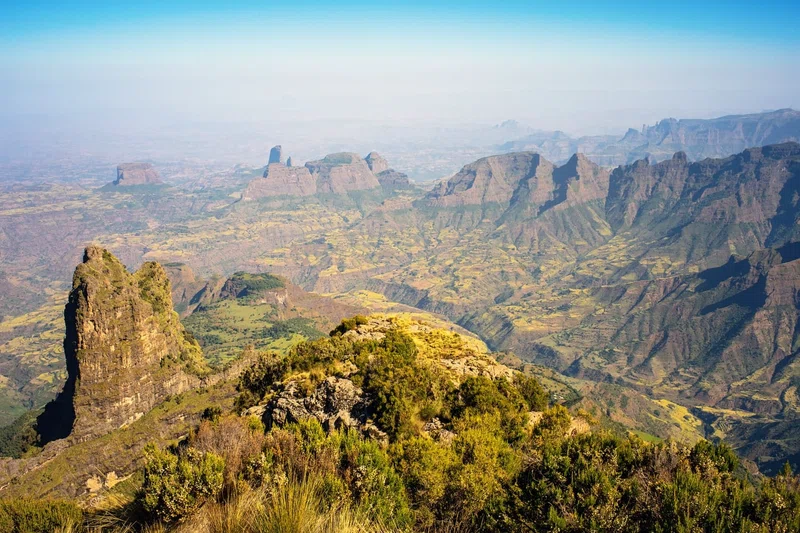
Simien Mountains National Park is located in the North Gondar Zone of the Amhara Region in northwestern Ethiopia, roughly 120 kilometers northeast of Gondar. Established in 1969 and covering an area of approximately 412 square kilometers, the park encompasses the western section of the Simien Massif. Formed between 25 and 40 million years ago by basaltic volcanic lava flows during the Oligocene epoch, the region has been sculpted by massive erosion over millions of years. The landscape features high-altitude plateaus, deep precipitous valleys, and sheer cliff faces rising over 1,500 meters. The park includes Mount Ras Dashan (also known as Ras Dejen), which stands at 4,533 meters above sea level as the highest peak in Ethiopia and the tenth highest in Africa.The park's dramatic altitudinal range—spanning from montane forests between 1,900 and 3,000 meters to the sub-afroalpine ericaceous belt and the afroalpine zone above 3,700 meters—supports unique ecological habitats and rich biodiversity. Distinctive flora includes giant lobelias (Lobelia rhynchopetalum), tree heath (Erica arborea), Hagenia abyssinica, and endemic species such as Festuca gilbertiana. The park serves as a critical sanctuary for several endangered and endemic mammal species, notably the Walia ibex, a wild mountain goat found nowhere else on Earth, and the Ethiopian wolf, the world's rarest canid. Large herds of endemic gelada baboons graze on the open highland plateaus, while Menelik's bushbuck, caracals, and leopards also inhabit the area. Over 180 bird species have been recorded, including raptors such as the bearded vulture and thick-billed raven.Human settlement and agricultural activity in the Simien region date back more than 2,000 years. In 1978, Simien Mountains National Park became one of the first sites inscribed on the UNESCO World Heritage list due to its exceptional biodiversity and natural environment. Between 1996 and 2017, the park was listed as a World Heritage Site in Danger due to declining populations of native species, agricultural encroachment, and livestock overgrazing, but it was removed from the danger list following successful stabilization efforts. Today, the park is managed by the Ethiopian Wildlife Conservation Authority in partnership with local communities and conservation organizations. It is a major destination for multi-day trekking and wildlife viewing, with established trails connecting campsites such as Sankaber, Gich, and Chennek.
Quick Info
Own this place?
Claim it to manage photos, respond to visitors, and promote it to travelers.
Claim this listing →Safari Tours
10 tours departing from this area
luxury
4-Day Simien Peaks Trek Wild Encounters & Adventure
$586
 Safari Retreats (U) Ltd trading as Safari Retreats Africa
luxury
3-Day Simien Mountains and Gondar Tour with Flights
$308
luxury
16-Day North & South Trip Including Danakil & Simien
$3,289
luxury
11-Day Tour Gonder, Simien Mountain, Danakil & Omo Valley
$1,935
luxury
10-Day North Ethiopia Tour Including Simien Mountain
$3,225
luxury
5-Day Visiting Bahir Dar, Gonder & Trek to Simien
$774
luxury
9-Day Historical Trip to the North Including Simien
$2,640
luxury
10-Day Cultural & Natural Highlights of Northern Ethiopia
$2,970
luxury
10-Day Ethiopia Grand Cultural & Adventure Journey
$2,750
luxury
10-Day Northern Ethiopia & Danakil Adventure
$3,190







2-Day Lalibela Church and Asheton Maryam Monastry
0.0 km away
Weather & Rainfall Patterns
Station: 120n384e · 14.8 km away · 1895m