

Omo National Park
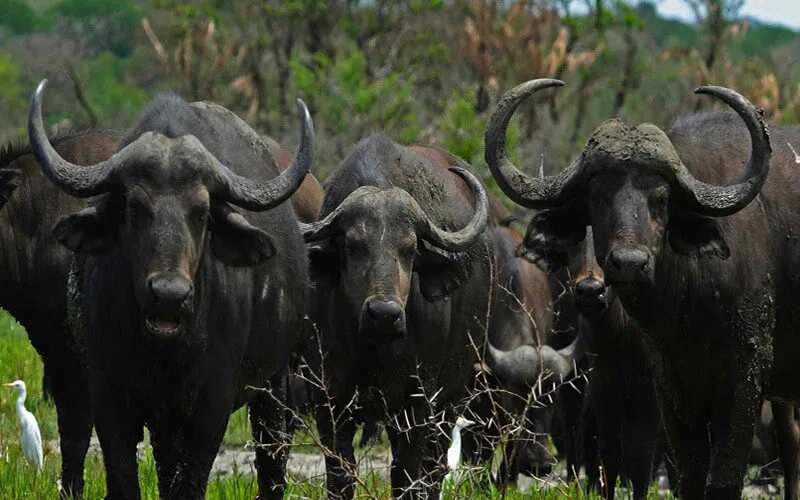
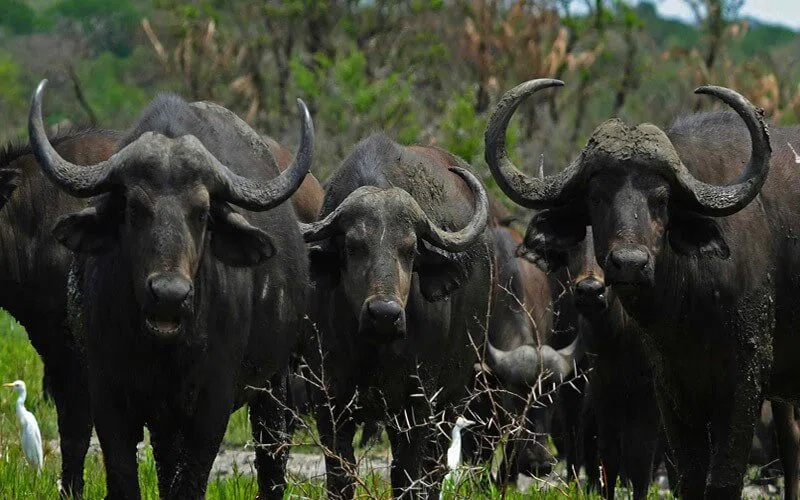
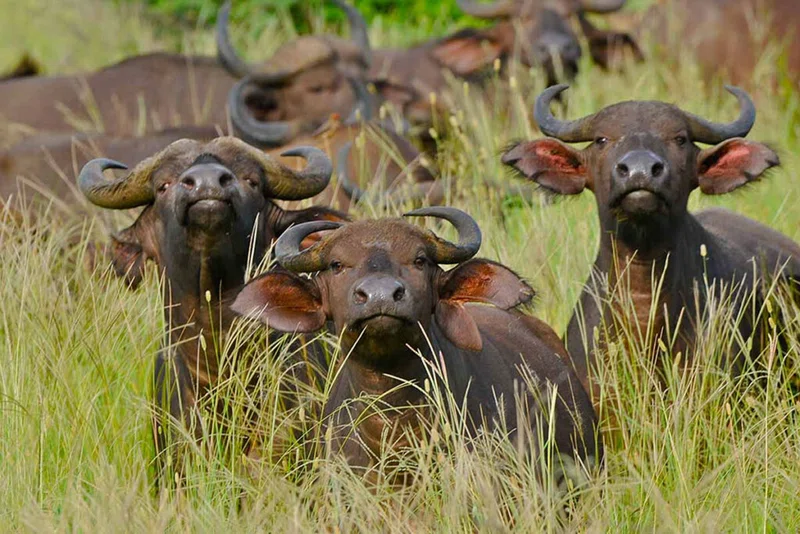
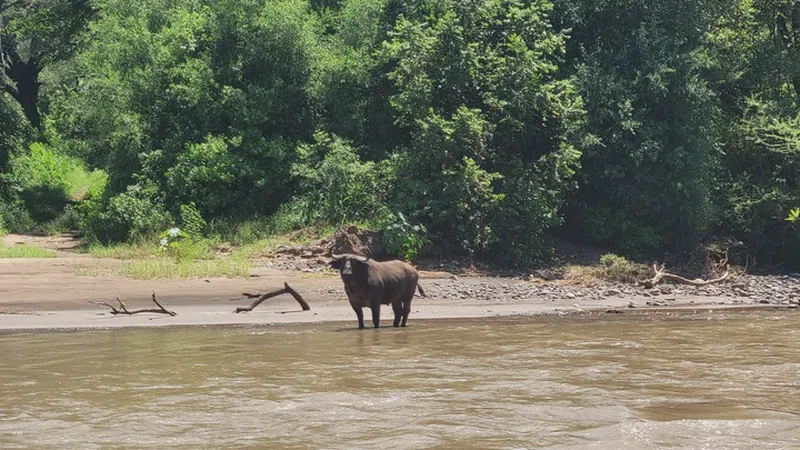
Omo National Park is a major wildlife reserve situated in southwestern Ethiopia within the South Ethiopia Regional State, approximately 870 kilometers southwest of Addis Ababa. Positioned on the western bank of the Omo River directly across from Mago National Park, the reserve encompasses roughly 4,068 square kilometers of wilderness. Its varied topography features open savannahs, wooded grasslands, the Maji Mountains rising to over 1,500 meters, the Dirga Hills, and extensive plains such as Sharum, Sai, and Illilbai. Elevation across the park generally ranges between 450 and 800 meters above sea level. The eastern boundary is defined by the Omo River, while several seasonal streams, gallery forests, and natural hot springs like the Illilbai thermal springs cross the interior.The park protects one of the highest concentrations of wildlife in Ethiopia, hosting 73 mammal species and over 300 bird species. Large herds of African buffalo, Burchell's zebra, common eland, beisa oryx, Lelwel hartebeest, tiang, and Grant's gazelle range across the open plains. Predators such as lions, leopards, cheetahs, spotted hyenas, and African wild dogs inhabit the reserve, while riverine habitats support large Nile crocodiles, hippopotamuses, and primates including colobus and De Brazza's monkeys. Flora varies from acacia scrubland and seasonal wildflowers to dense gallery forests dominated by massive fig trees and tamarinds along the watercourses.Beyond its natural features, the region holds immense historical and anthropological value. The Lower Omo Valley was declared a UNESCO World Heritage Site in 1980 following the discovery of early Homo sapiens fossil remains in the Omo Kibish Formation. The area is also home to several traditional indigenous groups, including the Suri, Mursi, Nyangatom, Dizi, and Me'en communities, who maintain ancestral pastoralist ways of life. Due to its remote location and limited visitor infrastructure, visiting Omo National Park requires careful planning and self-sufficiency, with access typically arranged through the gateway town of Jinka or via rugged four-wheel-drive routes.
Quick Info
Own this place?
Claim it to manage photos, respond to visitors, and promote it to travelers.
Claim this listing →Safari Tours
2 tours departing from this area




4-Day Cultural Journey Through Omo Valley
0.0 km away
Weather & Rainfall Patterns
Station: 58n353e · 35.3 km away · 1238m