
Borana National Park – Yabelo Wildlife Sanctuary
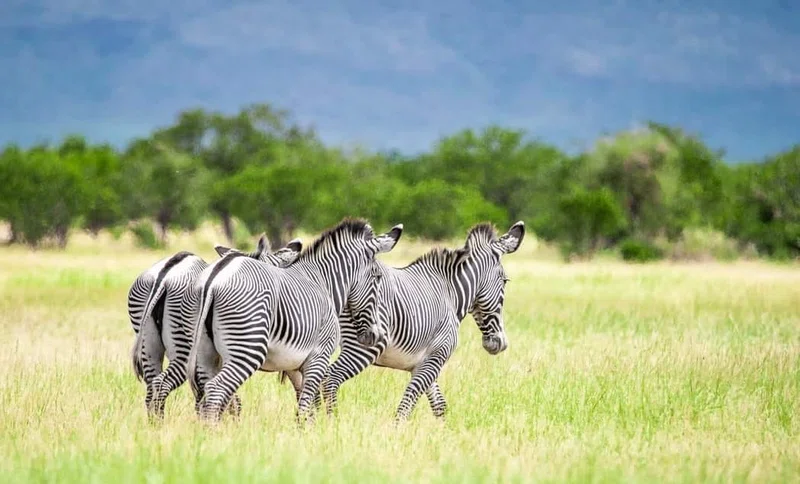
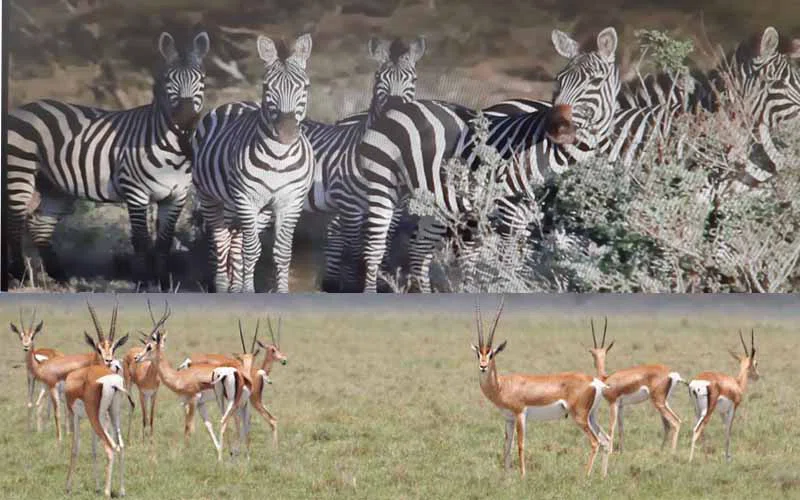
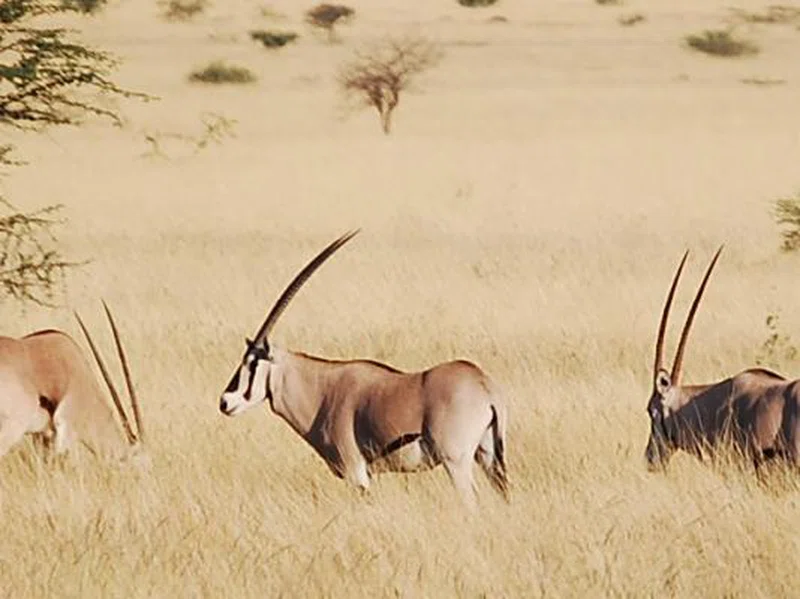
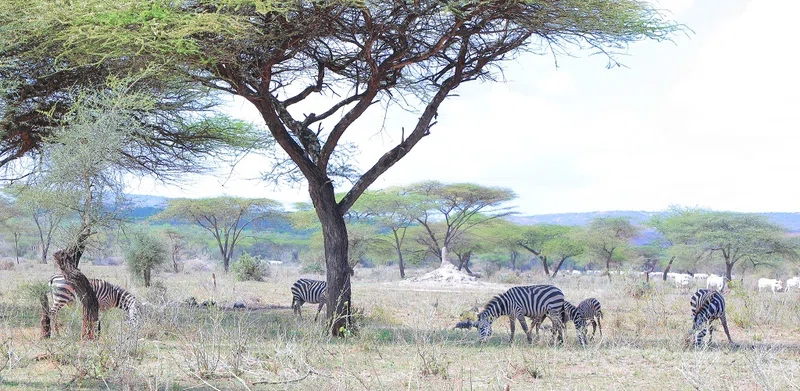
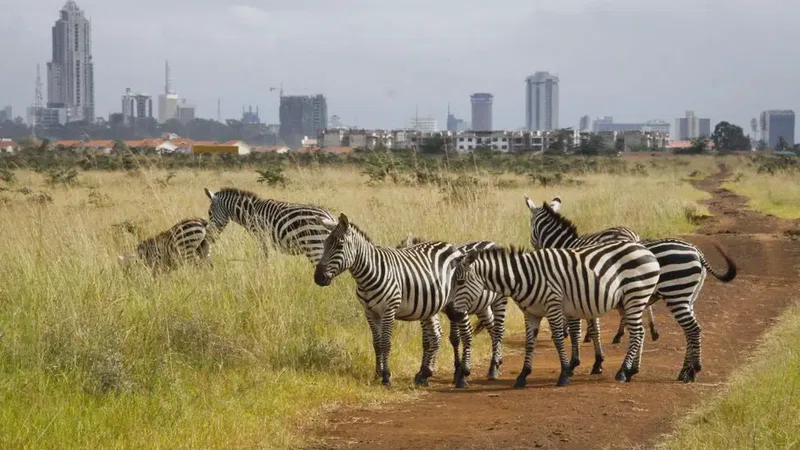
Borana National Park and Yabelo Wildlife Sanctuary are adjoining protected conservation areas situated in the Borena Zone of the Oromia Region in southern Ethiopia, near the border with Kenya. Borana National Park covers approximately 45,366 square kilometers at the southern edge of the Ethiopian Highlands, while the contiguous Yabelo Wildlife Sanctuary encompasses about 2,500 square kilometers with elevations ranging between 1,430 and 2,000 meters above sea level. The region features semi-arid savanna landscapes, red soils low in organic matter, rolling hills, and dry Acacia woodlands. Notable geological features within the national park include Booqee Sadeen, three volcanic maar crater lakes such as El Sod, famous for its dark mineral-rich saline waters harvested for salt by local pastoralists.The sanctuary and park host diverse fauna distributed across distinct conservation blocks like Sarite, Dida-Hara, and Gammedo. Mammal species inhabiting the landscape include plains zebras and the endangered Grevy's zebra, along with Beisa oryx, lesser and greater kudus, gerenuks, Grant's gazelles, Soemmerring's gazelles, warthogs, and predators such as lions, leopards, and hyenas. Originally established in part to protect the endemic Swayne's hartebeest, the species has unfortunately faced extirpation from the sanctuary. The region is also an internationally recognized Important Bird Area, harboring over 280 recorded bird species, including rare endemics like the globally threatened Stresemann's bushcrow, white-tailed swallow, Prince Ruspoli's turaco, and black-fronted spurfowl.Visitors typically access the park via the town of Yabelo, which has regional airport connections to Addis Ababa and sits about 10 kilometers south of the park's main entrance on the road to Dilla. Park regulations require visitors to hire a local scout from the park headquarters in Yabelo for game drives, birdwatching, and hiking excursions. The dry season from June to September provides optimal conditions for wildlife viewing around water sources, whereas the wetter months between March and May draw birdwatchers. The conservation area is deeply connected with the local Oromo Borana culture, offering opportunities to learn about traditional pastoralist land management alongside safari experiences.
Quick Info
Own this place?
Claim it to manage photos, respond to visitors, and promote it to travelers.
Claim this listing →Safari Tours
3 tours departing from this area



Weather & Rainfall Patterns
Station: 48n384e · 28.4 km away · 1428m