
South Luangwa National Park
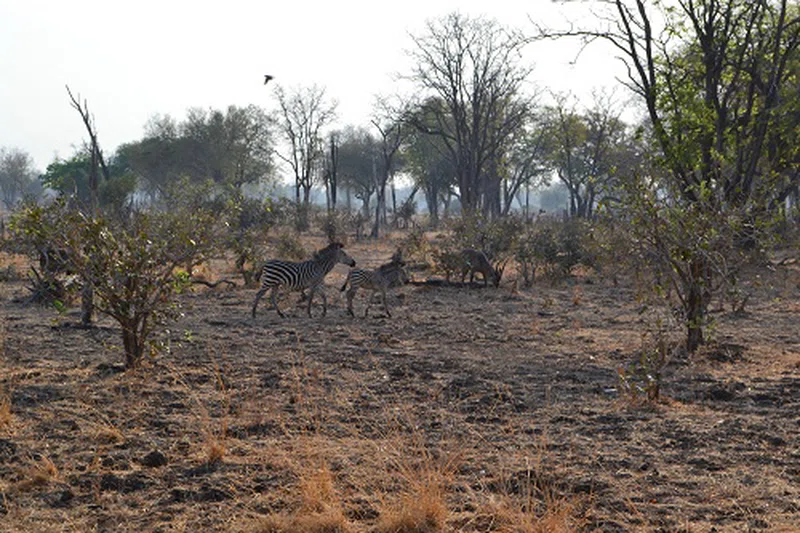
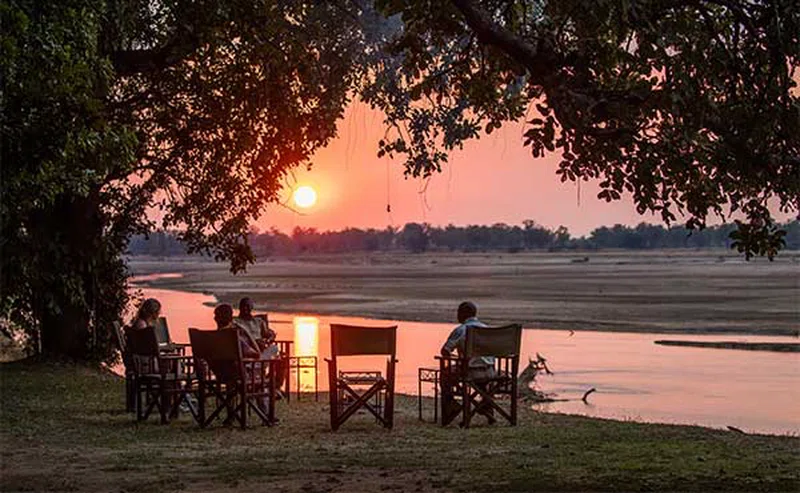
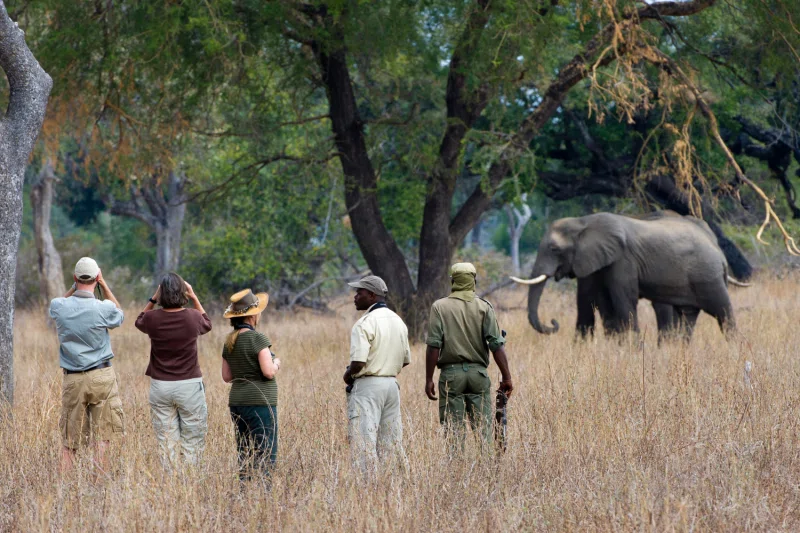
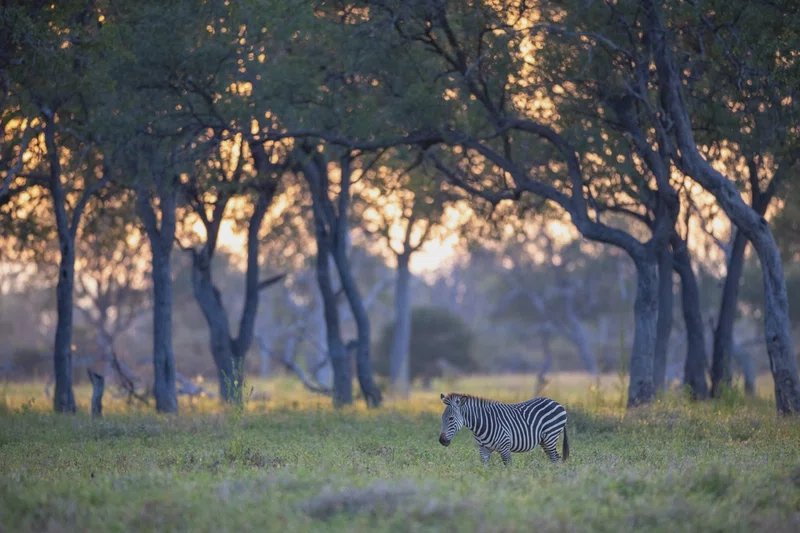
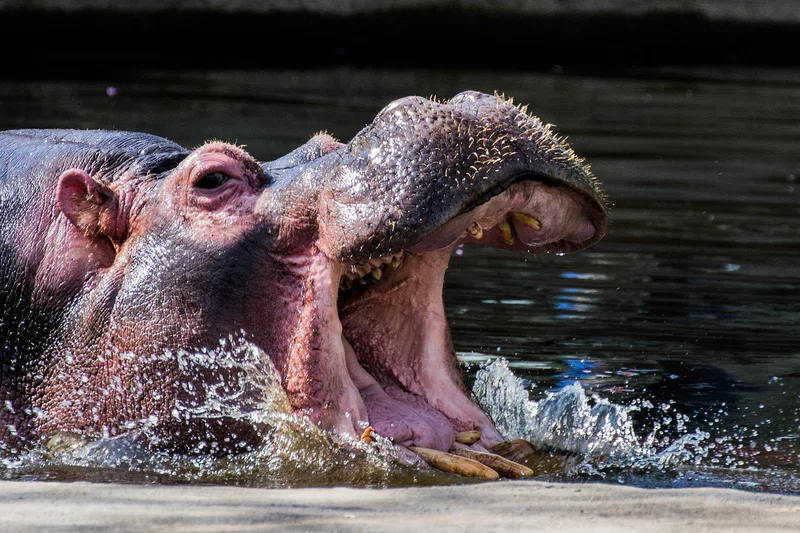
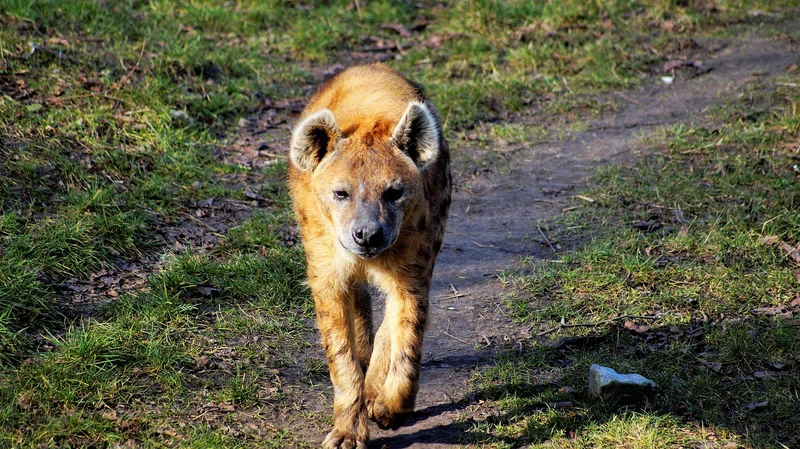
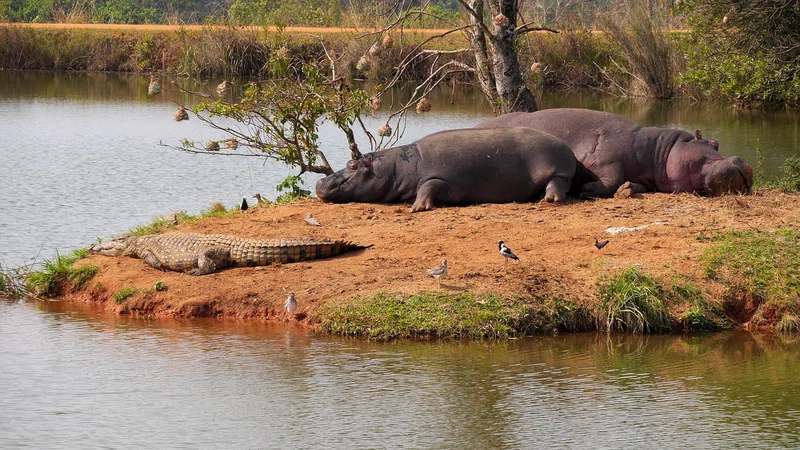
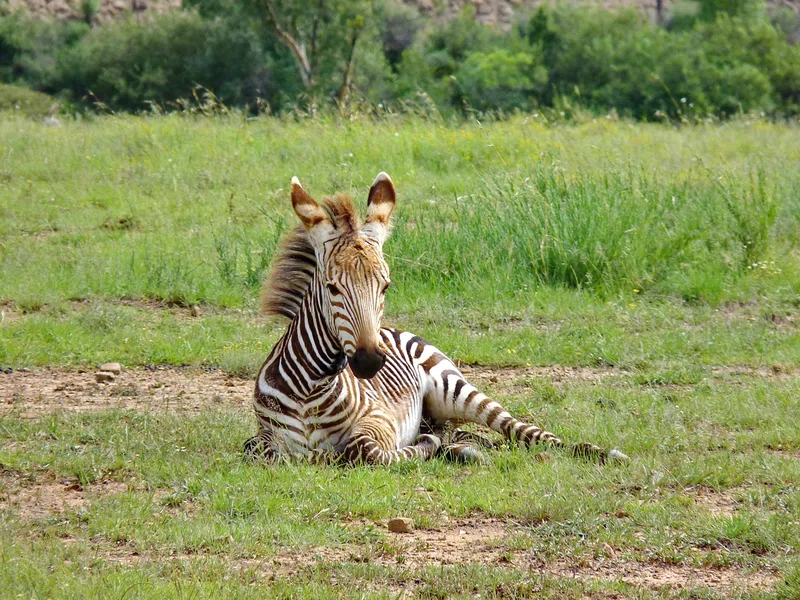
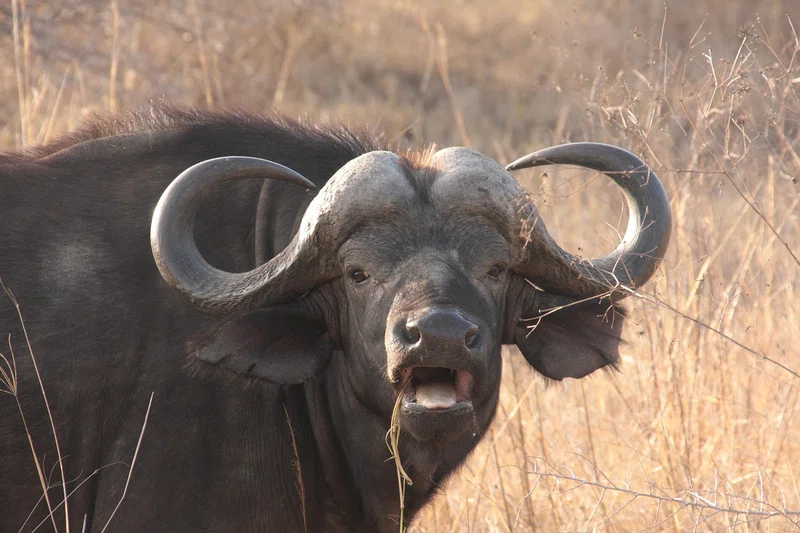
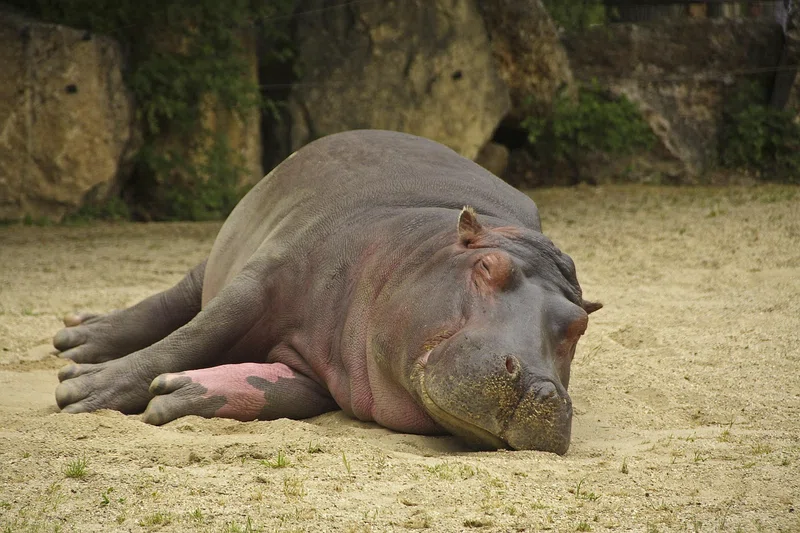
South Luangwa National Park is a 9,050-square-kilometer (3,490 sq mi) protected wildlife area located in eastern Zambia, situated along the valley floor of the Luangwa River at the southern extremity of the East African Rift System. Initially established as Luangwa Game Reserve in 1938 and officially declared a national park in 1972, it is bordered to the west by the Muchinga Escarpment and surrounded by Game Management Areas such as Lupande and Sandwe. The park ranges between 500 and 800 meters above sea level and features a topography of southern Miombo woodlands on higher slopes, mopane and ebony groves along the riverbanks, open grasslands, and oxbow lagoons formed by the free-flowing Luangwa River. The region experiences distinct seasons, transitioning from dry terrain between April and October to a lush green landscape during the rainy season from November to March.The park supports over 60 mammal species and more than 400 bird species. It is notable for having high natural densities of leopards and supports populations of African bush elephants, Cape buffaloes, lions, spotted hyenas, African wild dogs, and hippopotamuses, which inhabit the river in large concentrations. South Luangwa harbors three subspecies endemic or near-endemic to the Luangwa Valley: Thornicroft's giraffe, Cookson's wildebeest, and Crawshay's zebra. While black rhinoceroses were extirpated from the area by 1987, other large mammals continue to range across the valley. Avian species include nesting colonies of southern carmine bee-eaters along sandy riverbanks, crowned cranes, saddle-billed storks, and various migratory species arriving during the wet season.South Luangwa is historically recognized as the birthplace of the walking safari. In the 1950s, British conservationist Norman Carr established non-hunting photographic safaris in the reserve, introducing a tourism model that reinvested earnings into local community development. Guided walking safaris remain a central activity in the park alongside day and night game drives, wet-season boat safaris, and visits to nearby community settlements around Mfuwe, the primary access gateway.
Quick Info
Own this place?
Claim it to manage photos, respond to visitors, and promote it to travelers.
Claim this listing →Safari Tours
10 tours departing from this area
 luxury12 days
 luxury11 days
 luxury12 days
 luxury15 days
 luxury8 days
 luxury11 days
 luxury7 days
luxury
7-Day South Luangwa and Lower Zambezi Safari
$5,730
 Blue Iris Trade and Invest (PTY) Ltd trading as Discover Africa Safaris
 luxury7 days
luxury
7-Day Best of Zambia All Inclusive Luxury Safari
$6,285
Blue Iris Trade and Invest (PTY) Ltd trading as Discover Africa Safaris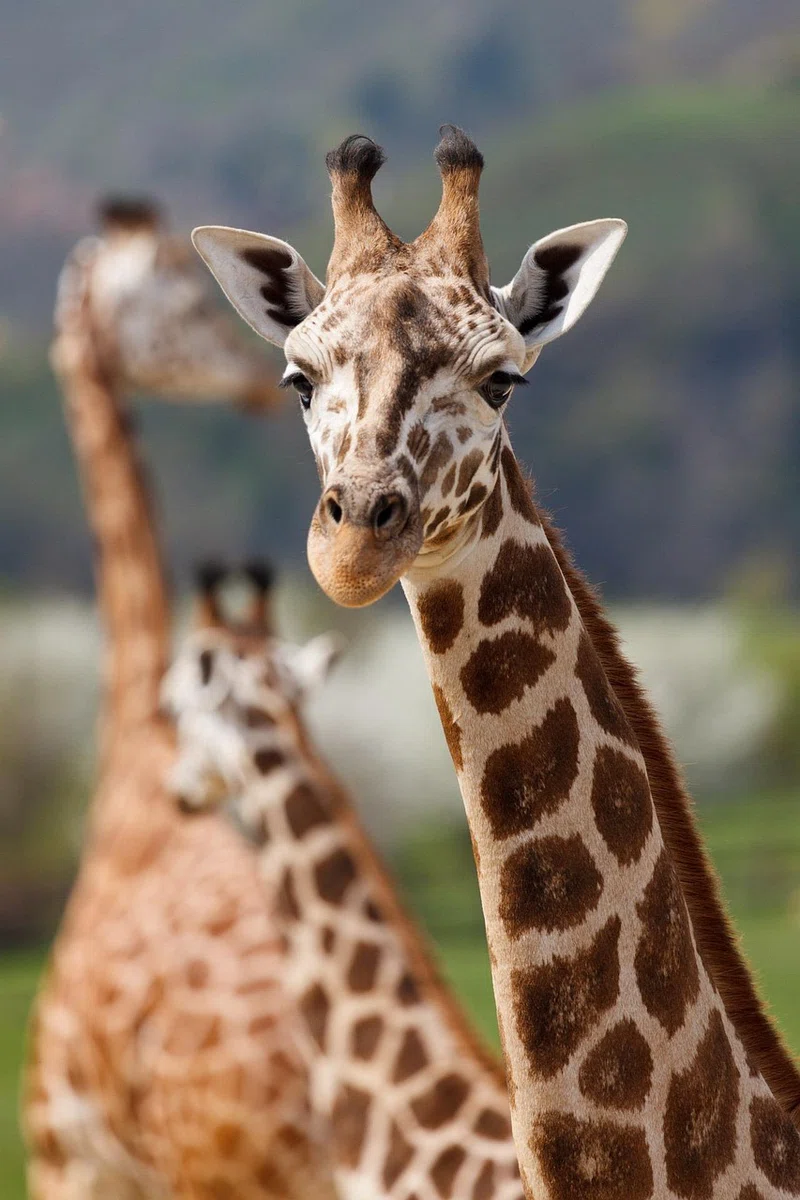 luxury4 days
luxury
4-Day Affordable South Luangwa Safari
$1,990
Blue Iris Trade and Invest (PTY) Ltd trading as Discover Africa Safaris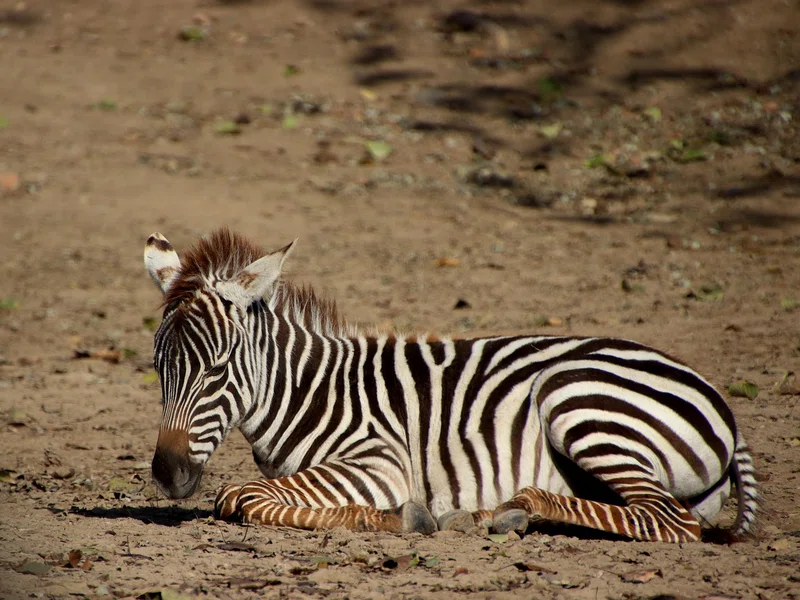 luxury9 days

Kawaza
0.0 km away
Weather & Rainfall Patterns
Station: 130s312e · 5.9 km away · 1422m