
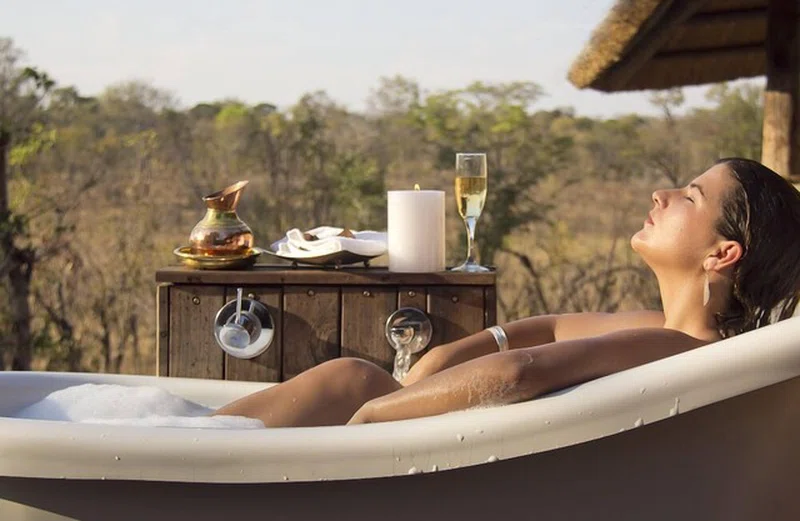
Hwange National Park
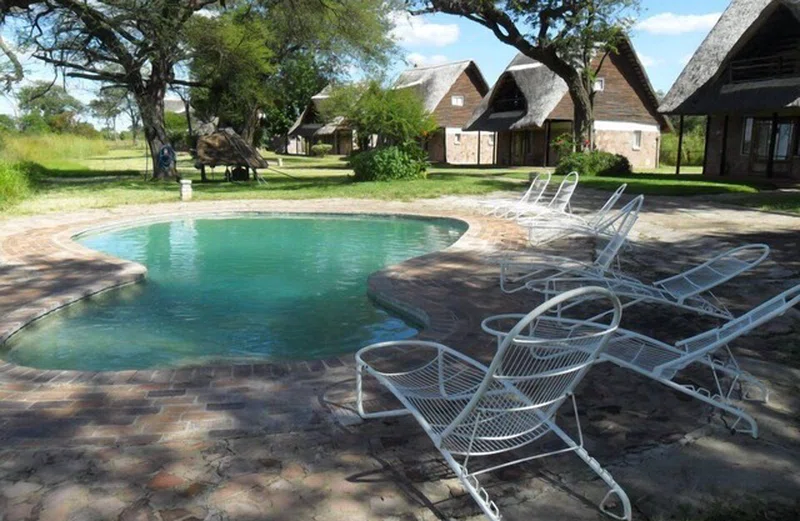
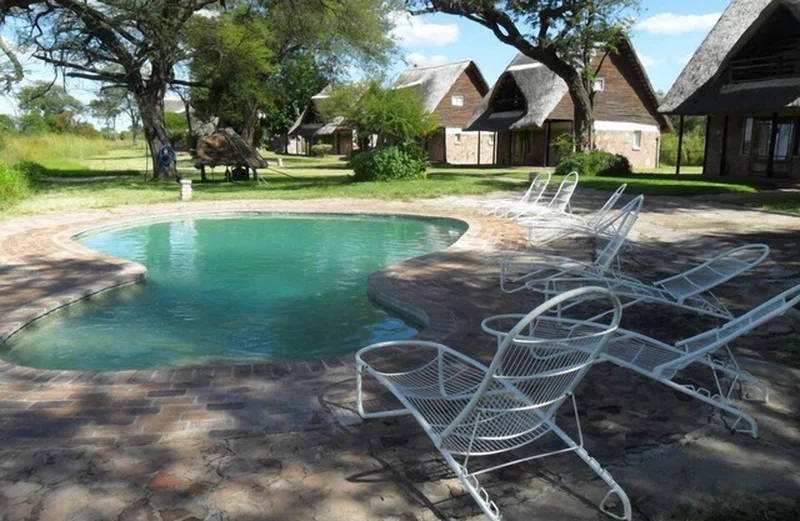
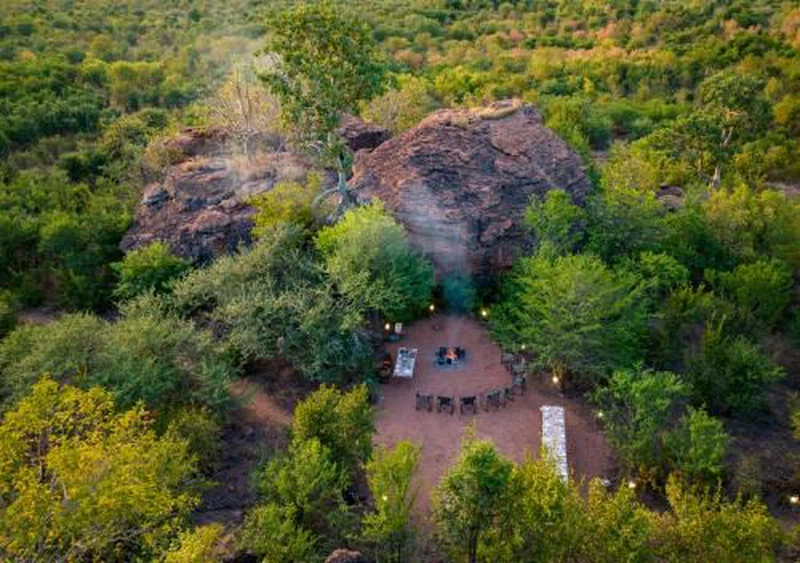
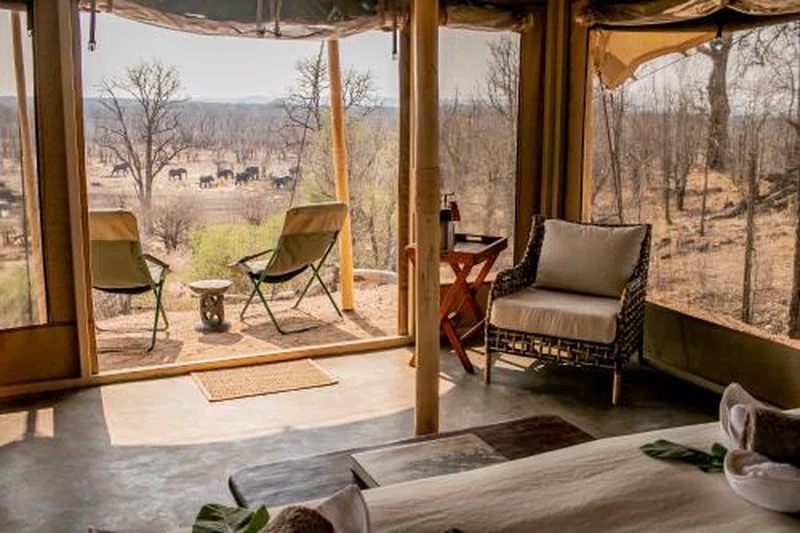
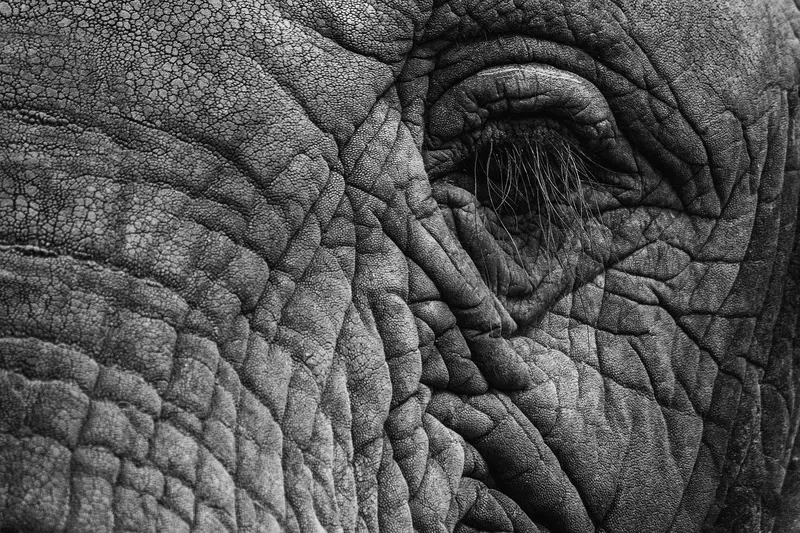
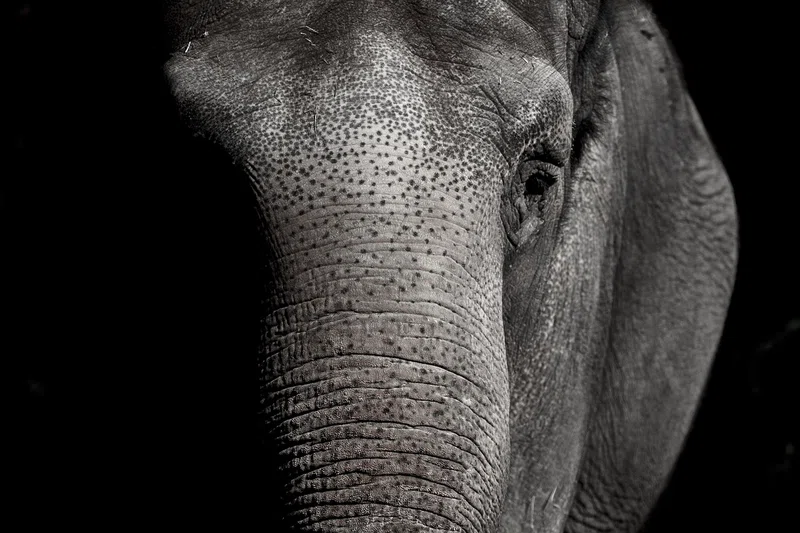
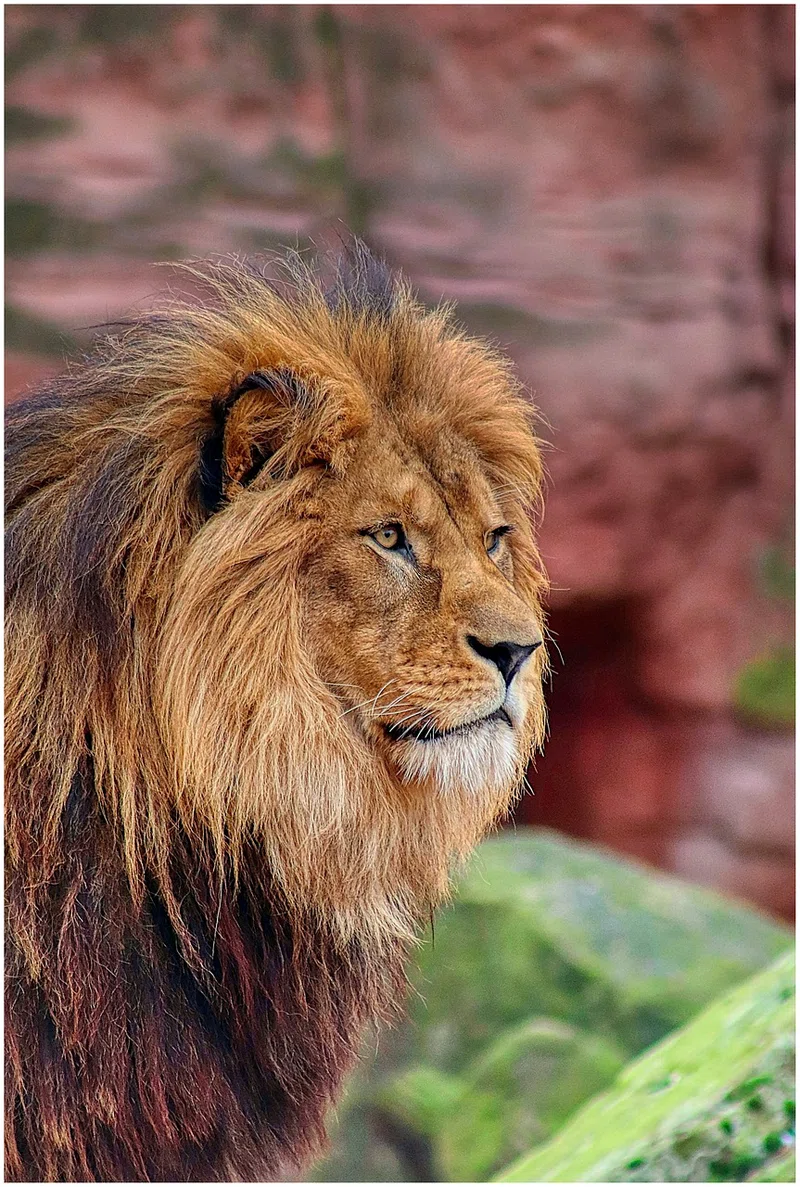
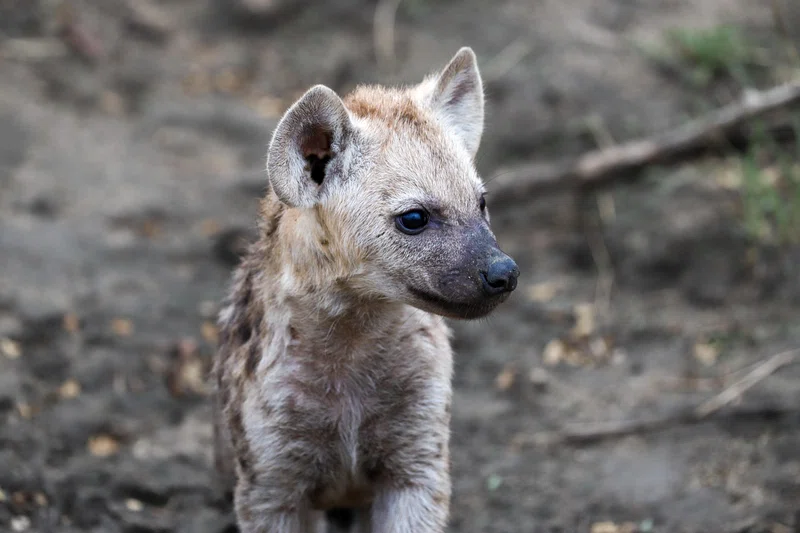
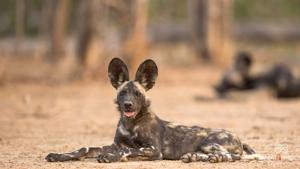
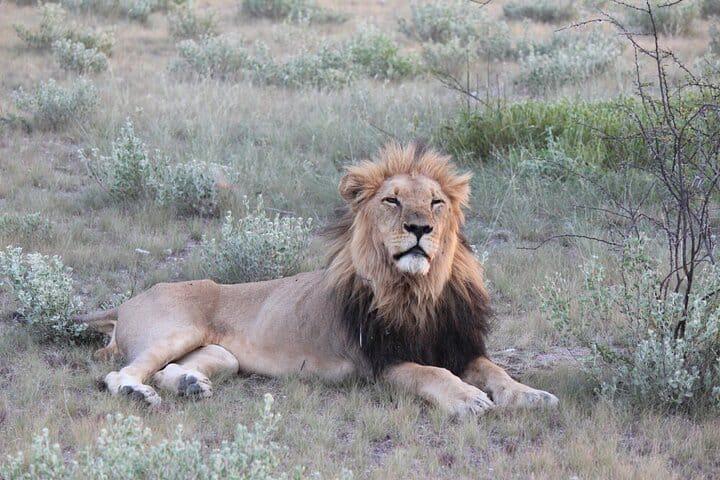
Hwange National Park is the largest national park and natural reserve in Zimbabwe, covering approximately 14,650 square kilometers (5,650 square miles) in the northwestern Matabeleland North province. Situated south of Victoria Falls and northwest of Bulawayo near the town of Dete, the park lies on the eastern edge of the Kalahari Desert. Its landscape transitions from Kalahari sandveld and seasonal vlei grasslands to dense mopane and Zambezi teak woodlands, with basalt lava flows and granite outcrops in the northern section. Because natural surface rivers like the Deka and Lukosi are seasonal, the park relies heavily on dozens of artificial waterholes and pumped pans created to sustain wildlife during dry periods.The park contains remarkable biodiversity, hosting over 100 mammal species and around 400 bird species. Hwange is globally renowned for housing one of the largest elephant populations in Africa, alongside major predator populations including lions, leopards, cheetahs, spotted hyenas, and one of Southern Africa's largest surviving populations of endangered African wild dogs. Herbivores such as Cape buffaloes, giraffes, sable antelopes, roan antelopes, and gemsboks frequent the pans. Visitors can explore the park through guided game drives, night drives on private concessions, walking safaris led by armed rangers, and stationary viewing hides positioned near active waterholes.In the 19th century, the land served as a royal hunting reserve for the Ndebele kings Mzilikazi and Lobengula before extensive hunting decimated wildlife populations. The area was protected as the Wankie Game Reserve in 1928, led by warden Ted Davison who established the park's vital network of pumped waterholes, and it was formally designated a national park in 1961. Human occupation dates back tens of thousands of years, evidenced by Stone Age rock engravings and tools, as well as Iron Age stone-walled structures at the Bumbusi National Monument and Mtoa ruins. Today, Hwange plays an essential role in regional conservation as part of the five-nation Kavango-Zambezi Transfrontier Conservation Area.
Quick Info
Own this place?
Claim it to manage photos, respond to visitors, and promote it to travelers.
Claim this listing →Safari Tours
10 tours departing from this area
 luxury13 days
 luxury10 days
 luxury7 days
 luxury8 days
 luxury5 days
 luxury2 days
 luxury1 days
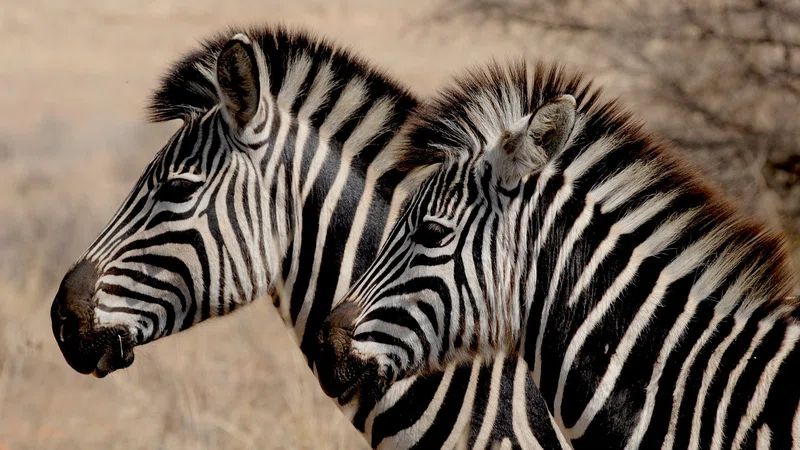 luxury5 days
luxury
5-Day Hwange and Lake Kariba Discovery
$5,445
 Blue Iris Trade and Invest (PTY) Ltd trading as Discover Africa Safaris
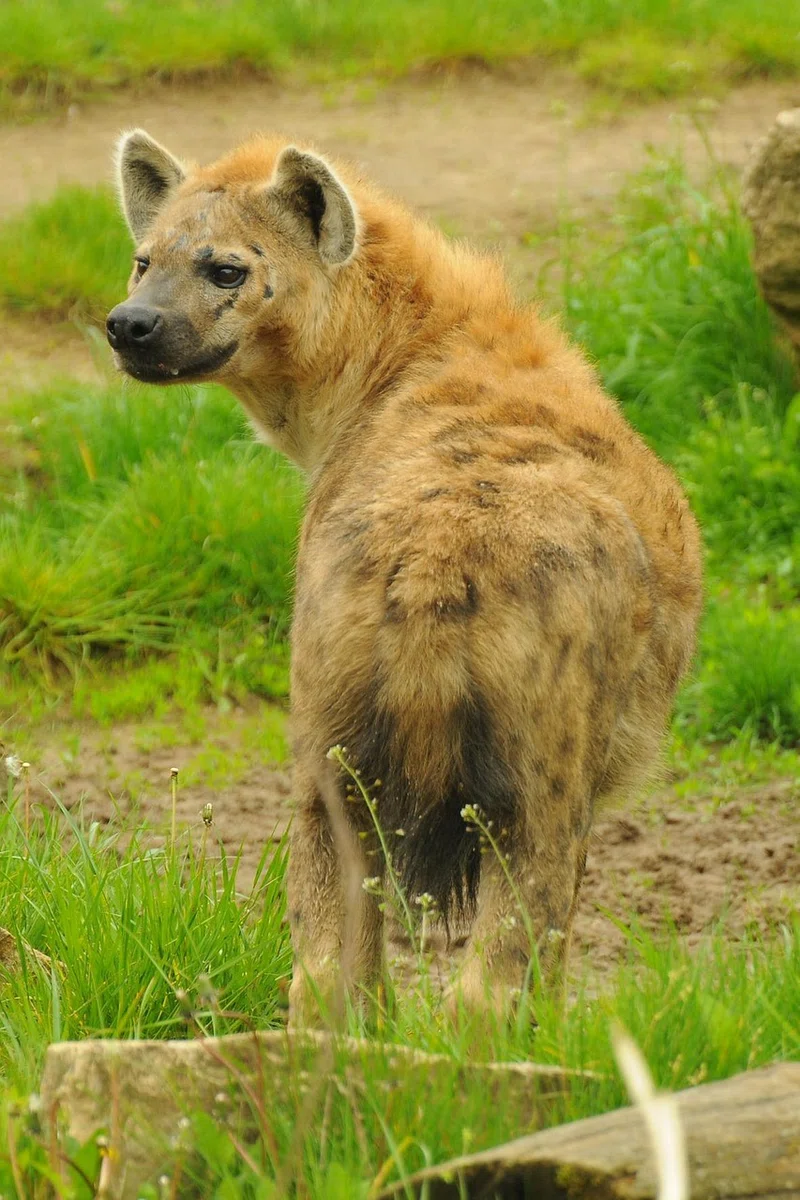 luxury6 days
luxury
6-Day Deluxe Vic Falls and Zimbabwe Safari
$4,390
Blue Iris Trade and Invest (PTY) Ltd trading as Discover Africa Safaris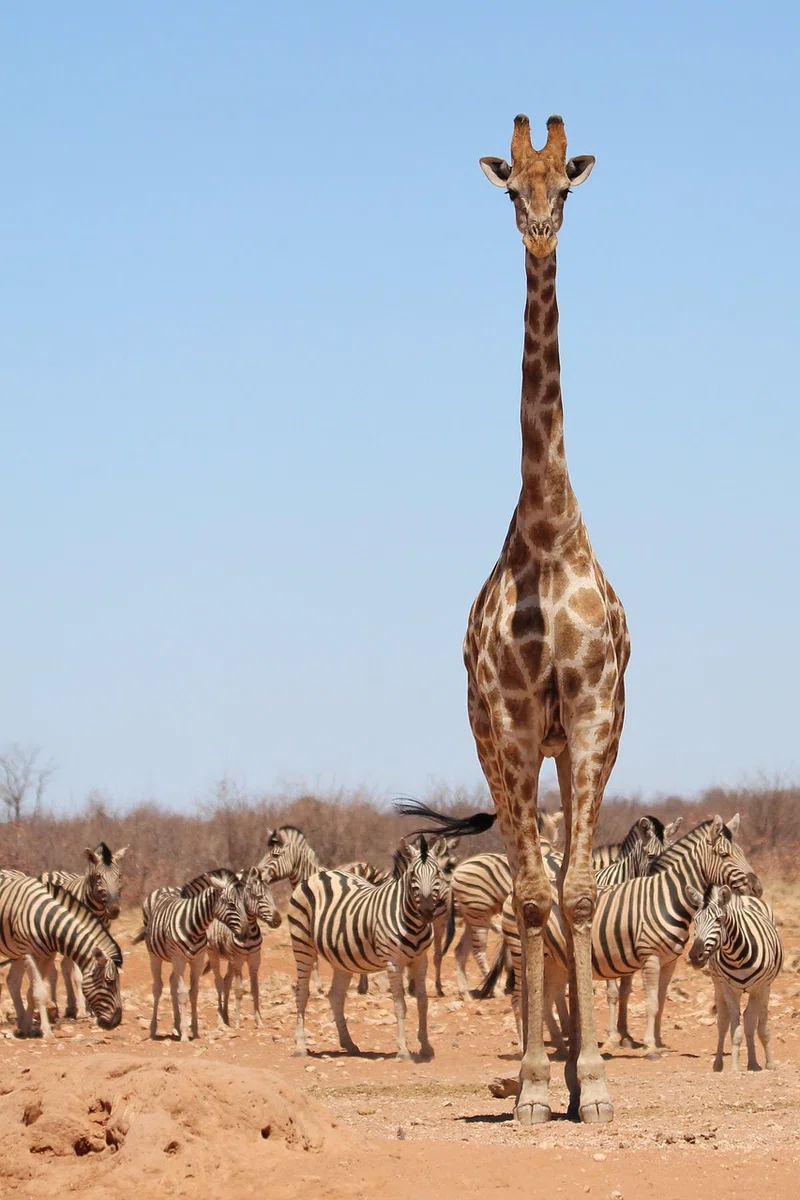 luxury7 days
luxury
7-Day Hwange and Mana Pools Luxury Safari Adventure
$5,460
Blue Iris Trade and Invest (PTY) Ltd trading as Discover Africa Safaris




4 Days in Hide Safari Lodge Hwange National Park
0.0 km away
Weather & Rainfall Patterns
Station: 183s269e · 26.6 km away · 625m