

Mikumi National Park
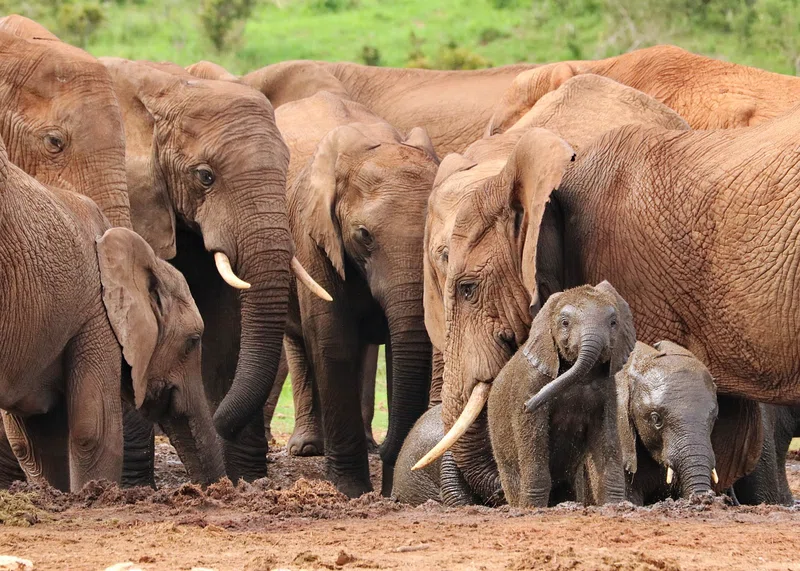
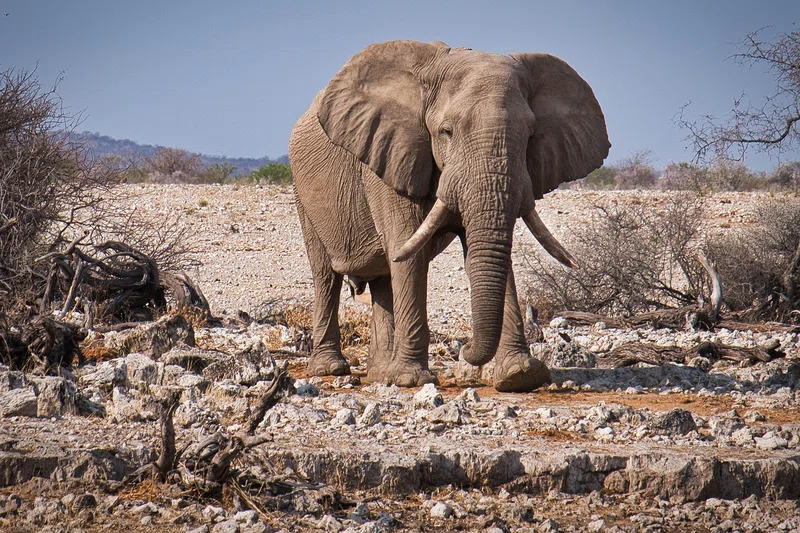
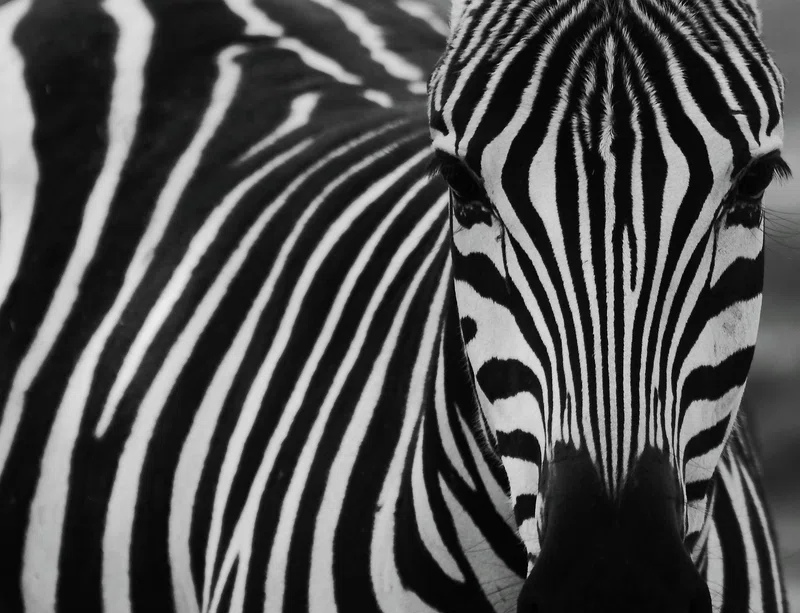
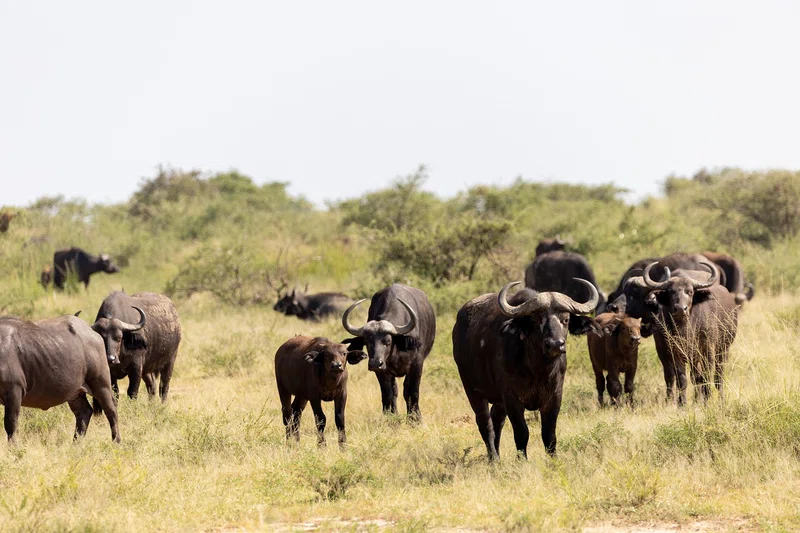
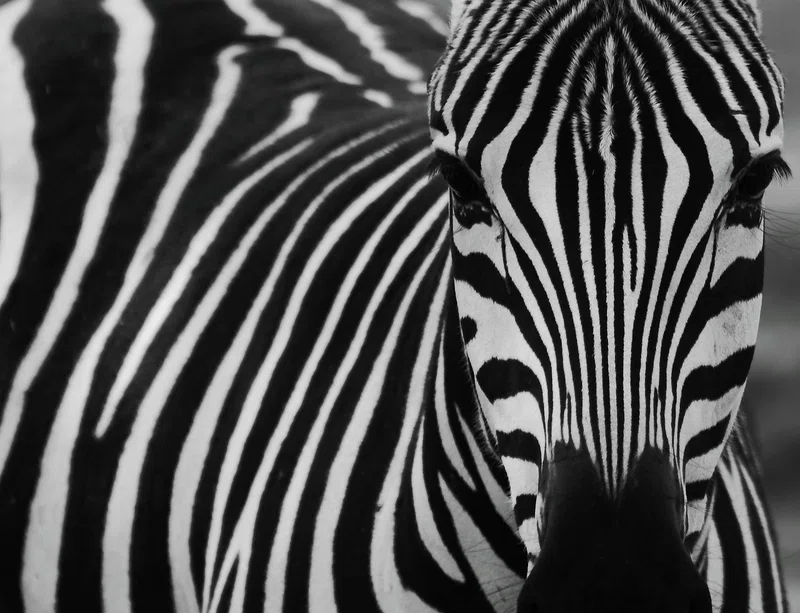
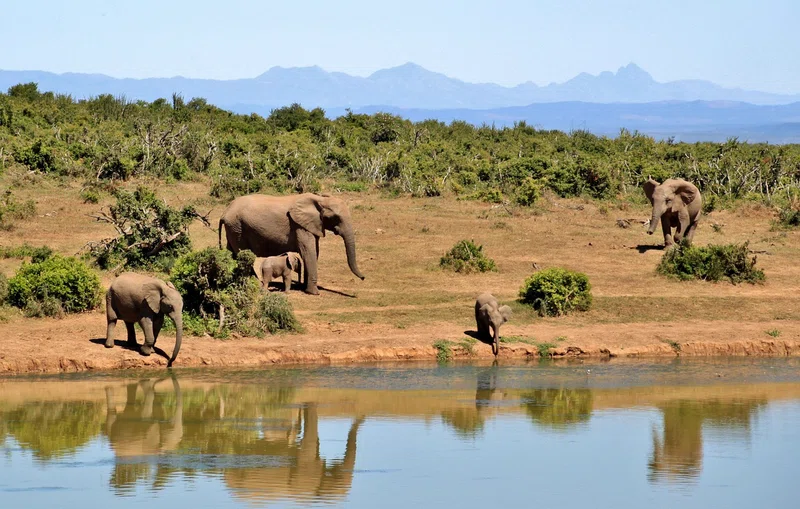
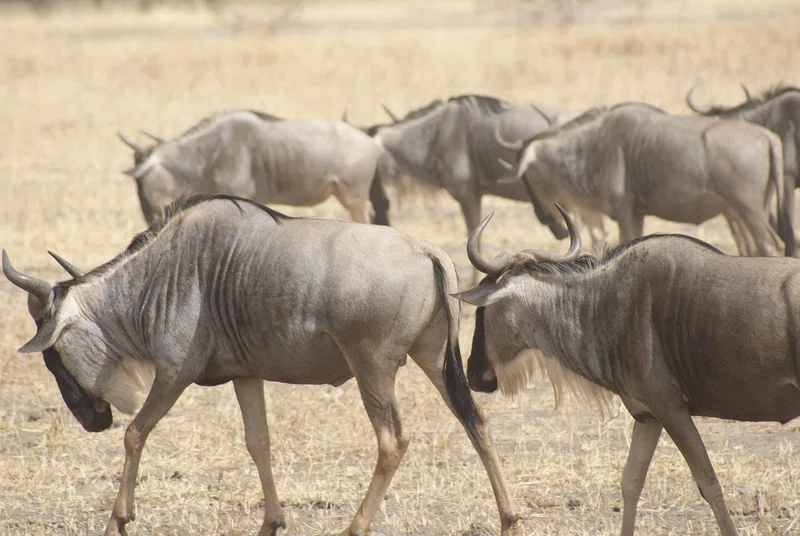
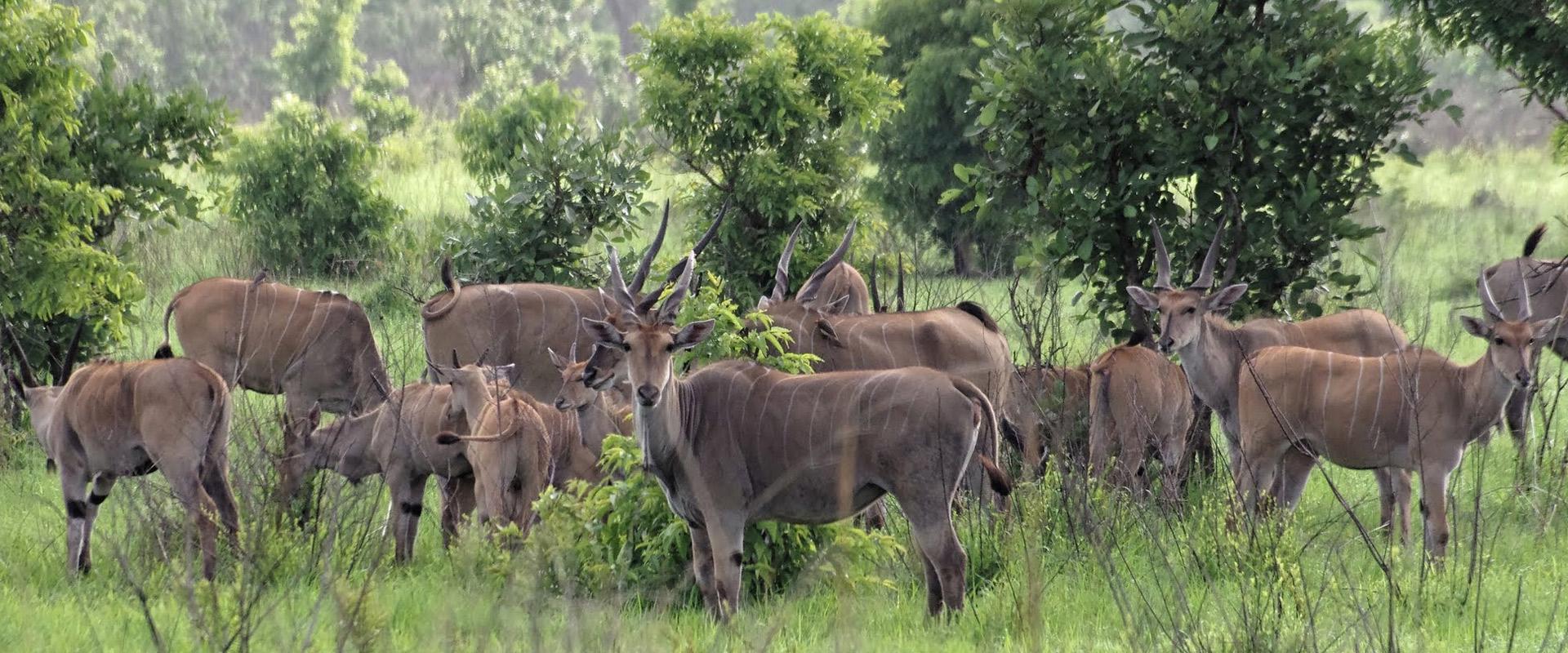
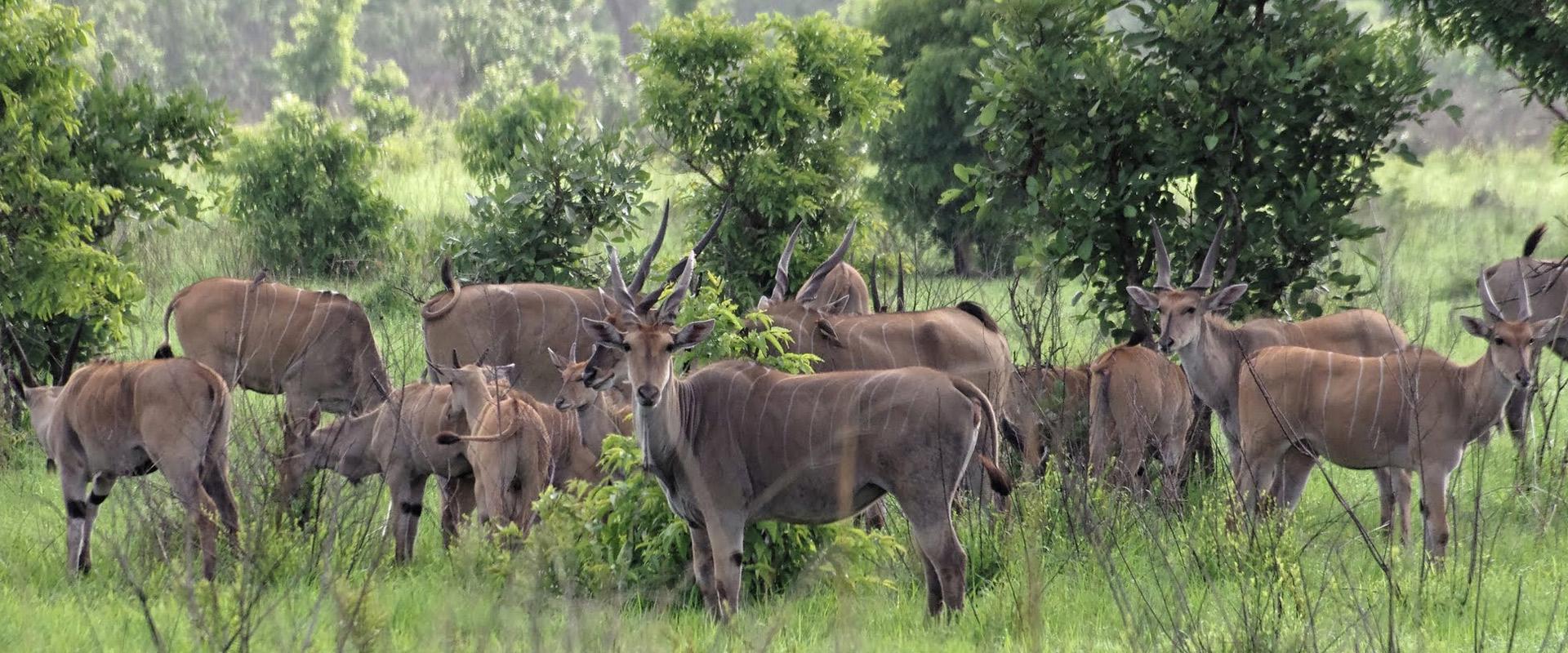
Mikumi National Park is Tanzania's fourth-largest national park, covering an area of 3,230 square kilometers (1,250 square miles) near Morogoro in southern Tanzania, approximately 283 kilometers west of Dar es Salaam. Established in 1964 and expanded in 1975, Mikumi forms part of a larger ecosystem spanning over 75,000 square kilometers alongside the bordering Nyerere National Park (formerly Selous Game Reserve) to the south, as well as the Udzungwa and Uluguru mountain ranges. A major highway bisects the park into two distinct geographical sections: the open Mkata Floodplain to the northwest and a less accessible, thickly wooded sector to the southeast. The park features savannah grasslands, acacia trees, baobabs, tamarinds, and Borassus palm groves, surrounded by hill ranges including Malundwe Mountain, which reaches 1,290 meters at its highest peak.The Mkata Floodplain is the park's primary game-viewing area and is often compared to the Serengeti due to its open landscape. Mikumi shelters a diverse range of large mammals, including big herds of African elephants, buffalos, zebras, wildebeests, impalas, warthogs, common elands, sable antelopes, and greater kudus. Predators such as lions, leopards, spotted hyenas, jackals, and occasional African wild dogs inhabit the park. Biologists recognize Mikumi's giraffes as a distinct subspecies bridging the Masai and reticulated giraffes. Additionally, two artificial hippo pools located about five kilometers north of the main park gate accommodate large pods of hippopotamuses. The park also hosts over 400 bird species, including lilac-breasted rollers, bateleur eagles, secretary birds, yellow-throated longclaws, and European migratory birds during the wet season.Due to its proximity to Dar es Salaam, Mikumi is one of the most accessible national parks in Tanzania. Visitors reach the park via a four- to five-hour drive, domestic flights, or Tanzania's Standard Gauge Railway train to Morogoro followed by a short road transfer. Activities within the park include daytime safari game drives across the Mkata basin, guided walking safaris along designated trails such as Kikoboga and Vuma Hills accompanied by armed park rangers, birdwatching, and wilderness camping. Mikumi serves as an essential wildlife corridor, allowing migratory animals to move freely between the Mkata basin and surrounding conservation zones.
Quick Info
Own this place?
Claim it to manage photos, respond to visitors, and promote it to travelers.
Claim this listing →Safari Tours
10 tours departing from this area
 luxury3 days
 luxury4 days
 luxury5 days
 luxury7 days
 luxury4 days
 luxury5 days
 luxury4 days
 luxury10 days
luxury
10-Day Nyerere, Udzungwa, Mikumi & Ruaha Safari Package
$2,794
 RIOBA SAFARIS trading as Rioba Safaris
 luxury7 days
luxury
7-Day Authentic Southern Tanzania Safari Experience
$1,975
RIOBA SAFARIS trading as Rioba Safaris luxury3 days
luxury
3-Day Mikumi National Park Trip from and to Zanzibar
$601
African Platinumz Safaris Company Limited trading as African Platinumz Safaris
2 Days Tanzania Safari to Mikumi
0.0 km away

1-Day Safari to Mikumi from Dar by Fast Train
0.0 km away
3-Day Selous Game Reserve Safari
0.0 km away
2 Days Tanzania Safari to Mikumi
0.0 km away
Mikumi National Park Safari Tour
0.0 km away
Mikumi National Park Day Trip
0.0 km away
Weather & Rainfall Patterns
Station: 70s369e · 26.7 km away · 598m