
Rwenzori Mountains National Park
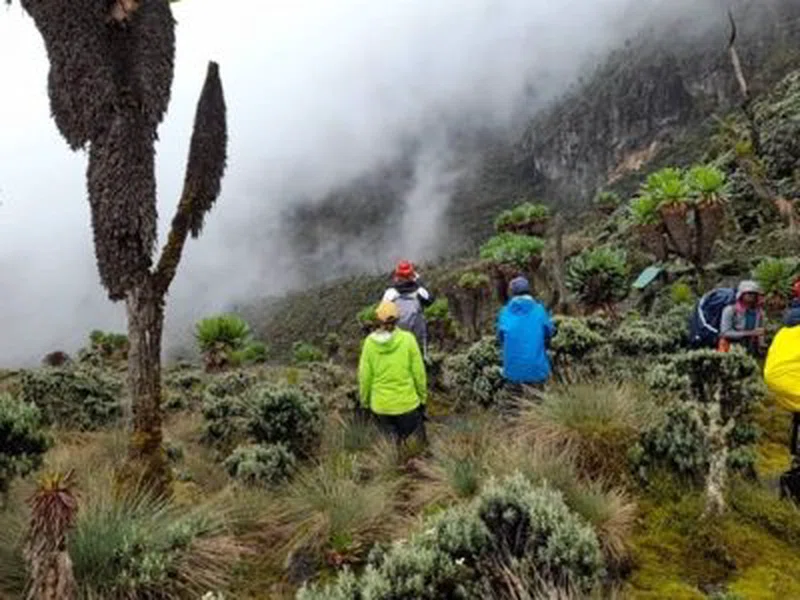
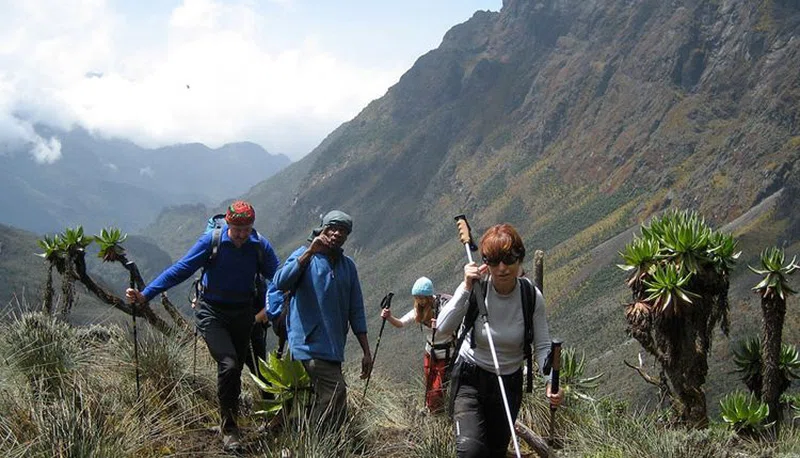
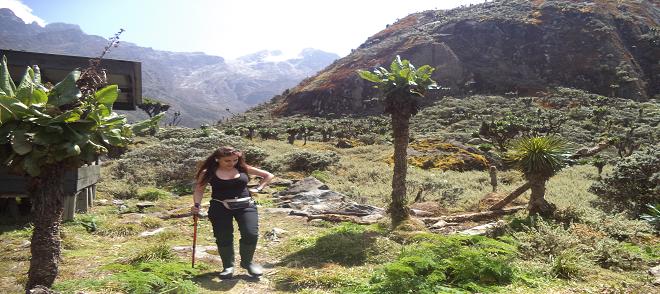
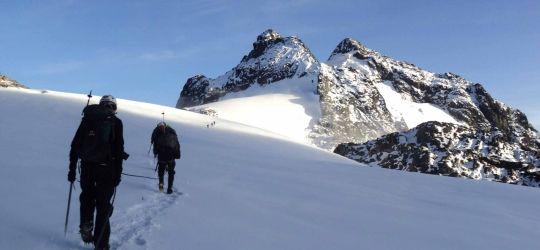
Rwenzori Mountains National Park is a protected conservation area and UNESCO World Heritage Site located in southwestern Uganda along the border with the Democratic Republic of the Congo. Spanning approximately 996 square kilometers (385 square miles) across the Kasese, Kabarole, and Bundibugyo districts, the park protects the eastern portion of the 120-kilometer-long Rwenzori mountain range. Unlike most East African mountains formed by volcanic activity, the Rwenzori range is an upfaulted block of ancient metamorphic rock. It encompasses Africa's third, fourth, and fifth highest mountain peaks: Mount Stanley, reaching 5,109 meters (16,763 feet) at Margherita Peak, Mount Speke (4,890 meters), and Mount Baker (4,843 meters). Despite its location near the equator, the upper elevations feature permanent glaciers, snowfields, glacial lakes, and steep-sided gorges.The park is internationally renowned for its dramatic altitudinal zonation of vegetation and unique Afro-alpine flora. As elevation increases from the lower slopes to the snowline, five distinct vegetation zones transition from montane rainforest (below 2,500 meters) to bamboo forest (2,500–3,000 meters), Rapanea and giant heather thickets draped in lichens, and high Afro-alpine moorland featuring iconic giant lobelias and giant groundsels. Biodiversity within the park includes 217 recorded bird species, with 19 endemic to the Albertine Rift such as the Rwenzori turaco and Rwenzori double-collared sunbird. The lower forested zones host around 70 mammal species, including African forest elephants, chimpanzees, L'Hoest's monkeys, Angola colobus, Rwenzori duikers, and the endemic three-horned chameleon.Historically referred to as the "Mountains of the Moon" by the Alexandrine geographer Ptolemy in AD 150, the range was mapped in 1888 by explorer Henry Morton Stanley, who recorded the local name "Ruwenzori," meaning "rain maker" or "cloud king". The mountains are the ancestral homeland of the Bakonzo and Baamba peoples, who regard the high peaks as the sacred sanctuary of their deity, Kitasamba. Gazetted as a national park in 1991 and designated a UNESCO site in 1994, the park acts as a vital water catchment feeding the River Nile basin. Visitors explore the park through multi-day trekking expeditions along routes such as the Central Circuit and Kilembe Trail, technical peak climbing, birdwatching, and guided forest walks.
Quick Info
Own this place?
Claim it to manage photos, respond to visitors, and promote it to travelers.
Claim this listing →Safari Tours
10 tours departing from this area
 luxury14 days
luxury
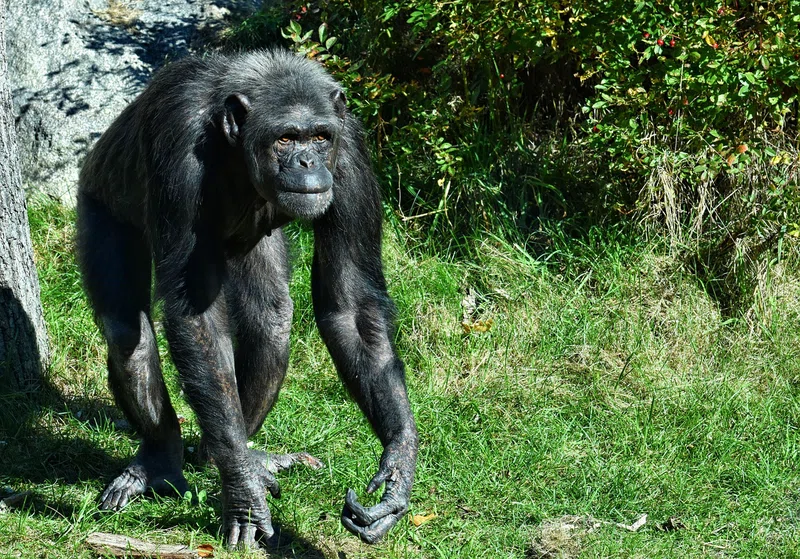
14-Day Uganda Primate Tracking 3 Peaks Rwenzori Climbing
$4,034
 Bujuku Eco Tours & Travel Ltd trading as Bujuku Eco Tours & Travel
 luxury16 days
luxury
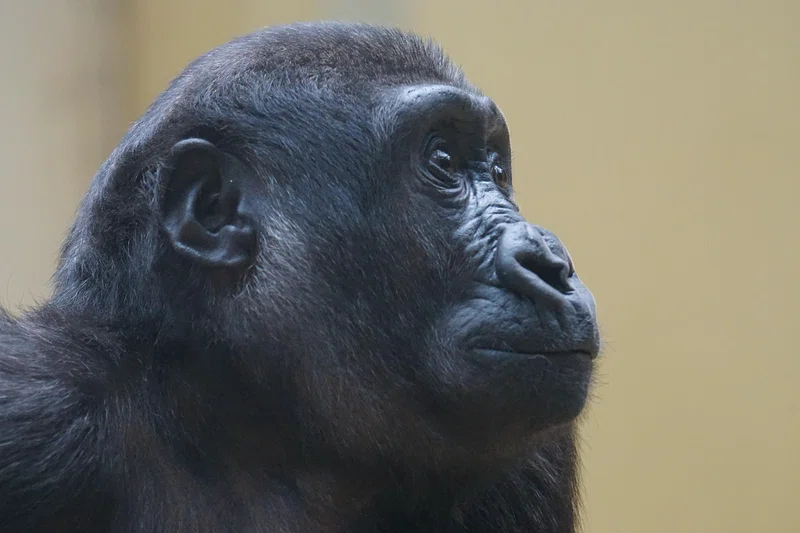
16-Day Uganda Primate Tracking Combined Rwenzori Climbing
$3,559
Bujuku Eco Tours & Travel Ltd trading as Bujuku Eco Tours & Travelluxury
9-Day Rwenzori Hiking via the Central Circuit Trail
$2,347
Bujuku Eco Tours & Travel Ltd trading as Bujuku Eco Tours & Travelluxury
11-Day Rwenzori Mountains Climbing with 3 Peaks Summit
$1,939
Bujuku Eco Tours & Travel Ltd trading as Bujuku Eco Tours & Travel luxury12 days
luxury
12-Day Rwenzori Mountains Hike & Mountain Gorilla Trek
$2,610
Safari Retreats (U) Ltd trading as Safari Retreats Africa luxury12 days
luxury
12-Day Rwenzori Mountains Trekking, Gorillas and Wildlife
$4,873
SAFARI 2 GORILLA TOURS LTD trading as Safari 2 Gorilla Tours luxury12 days
luxury
12-Day Rwenzori Mountains & Gorilla Trekking Adventure
$3,071
African Finfoot Safaris Ltd trading as African Finfoot Safarisluxury
11-Day Rwenzori Mountain Hike - Margherita Peak 5109M Asl
$2,257
African Finfoot Safaris Ltd trading as African Finfoot Safaris luxury12 days
luxury
12-Day Rwenzori Mountains Hike & Queen Elizabeth NP
$2,533
African Finfoot Safaris Ltd trading as African Finfoot Safaris luxury15 days
luxury
15-Day Margherita Peak Trek & Gorilla Trekking Adventure
$6,509
VOYAGE BALQUEES UGANDA LIMITED trading as Voyage Balquees




8 Days Rwenzori Climbing with Margherita Peak via the Bukurungu Trail
0.0 km away
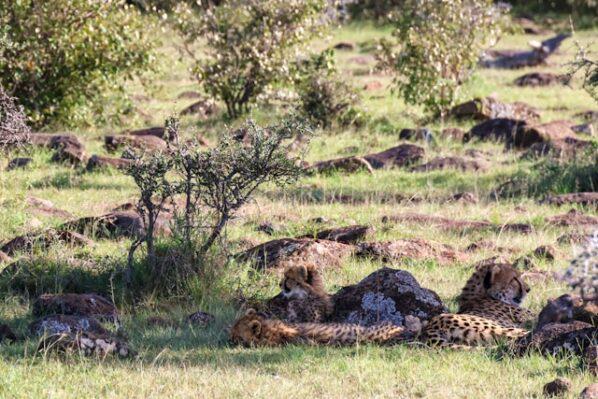
12 Days Hiking & Big Game Safari
0.0 km away
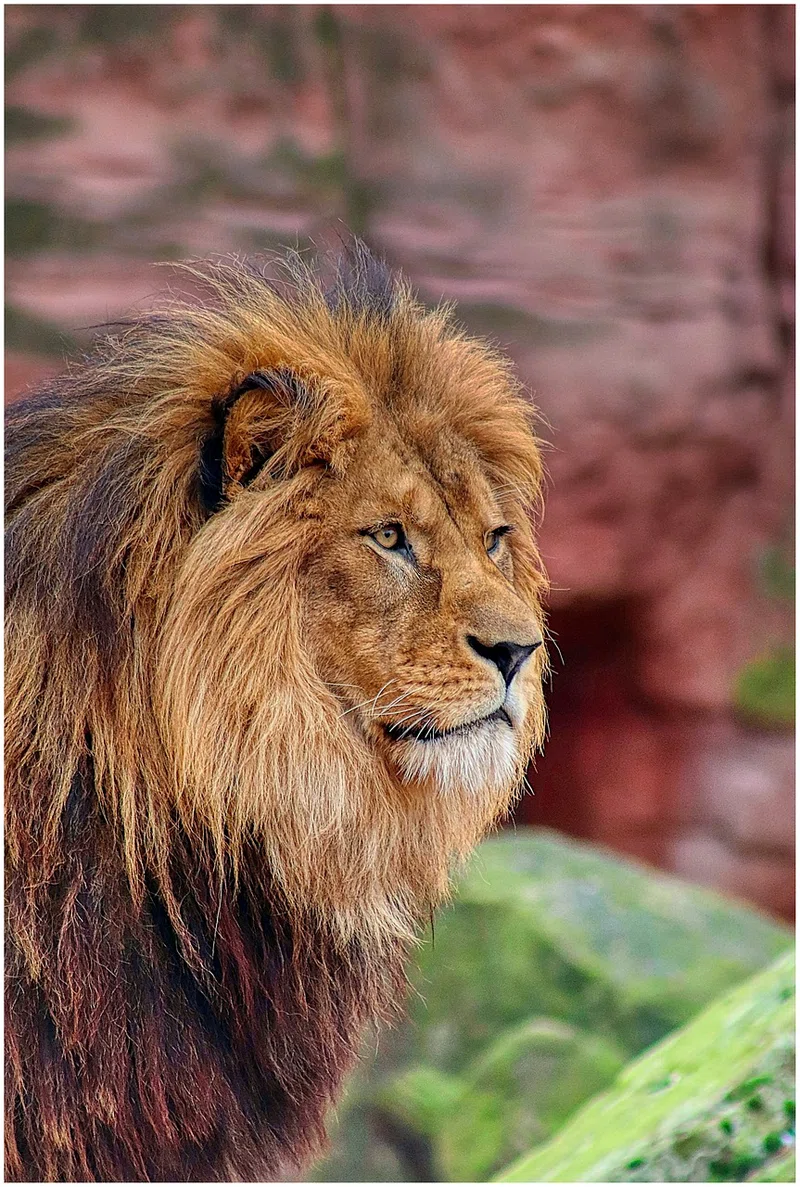
5-Day Queen Elizabeth and Mount Rwenzori Hiking
0.0 km away
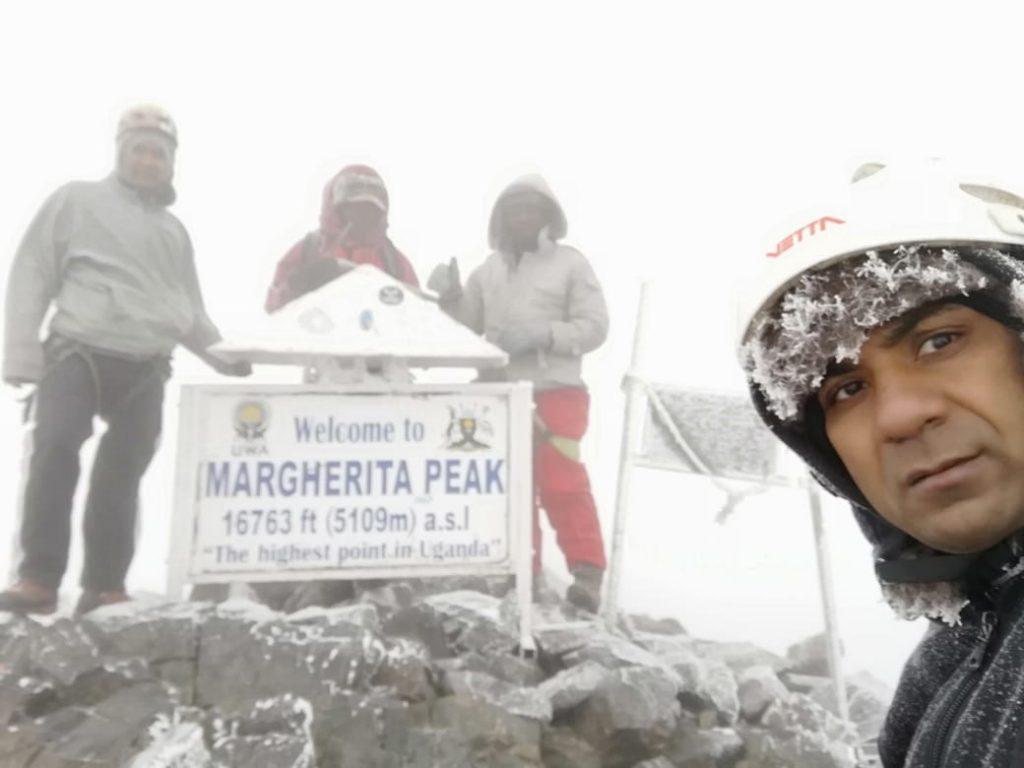
7 Days Rwenzori Hiking via the Central Circuit Trail
0.0 km away
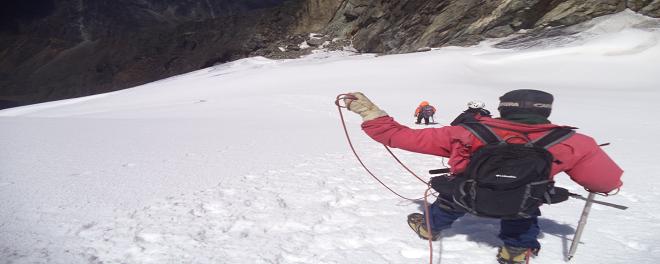
9 Days Rwenzori Mountains Trekking with 3 Peaks Summit
0.0 km away
8 Days Rwenzori Trekking to Margherita Peak via the Kilembe Trail
0.0 km away
Weather & Rainfall Patterns
Station: 2n300e · 26.3 km away · 1730m