
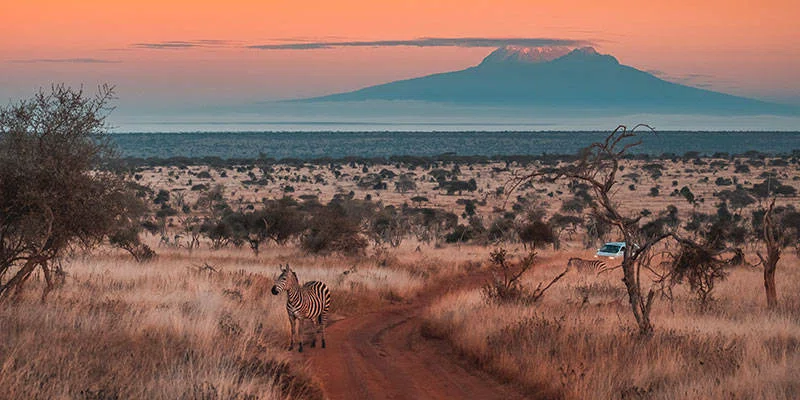
Mount Kenya National Park
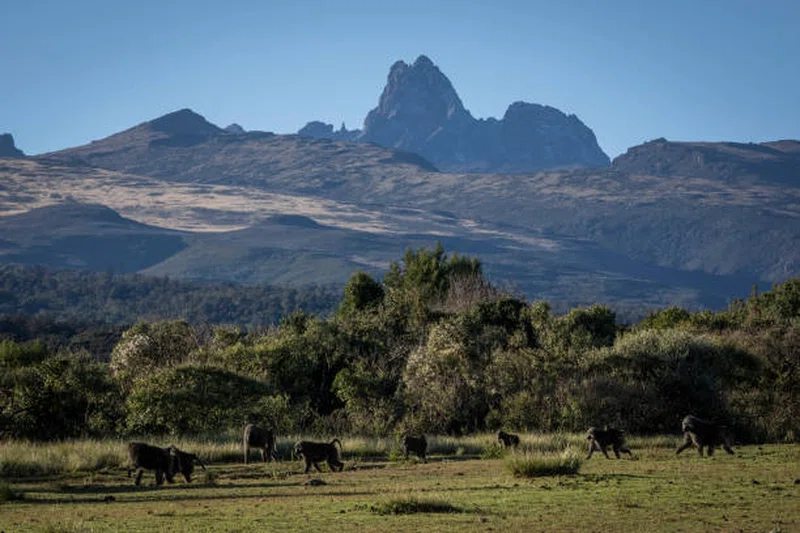
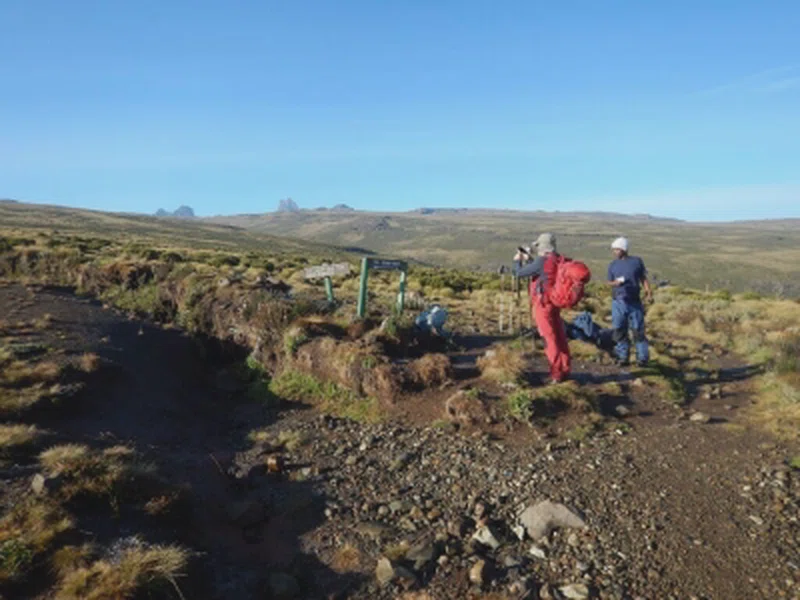
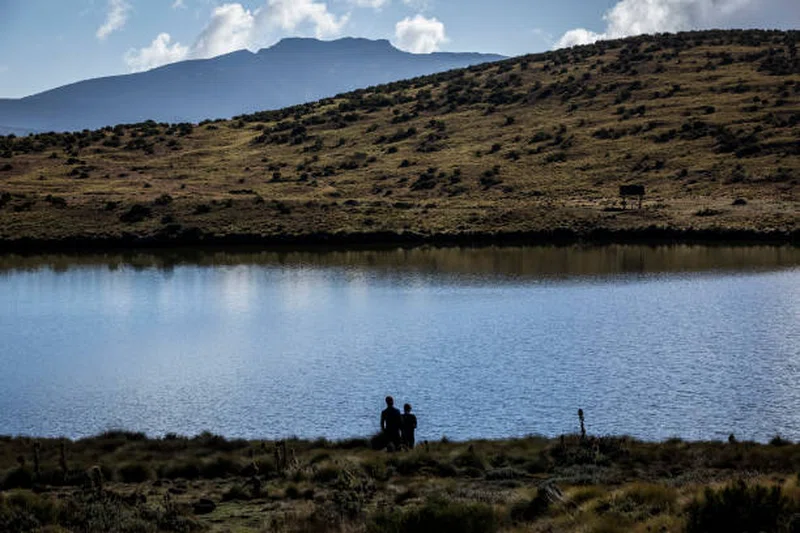
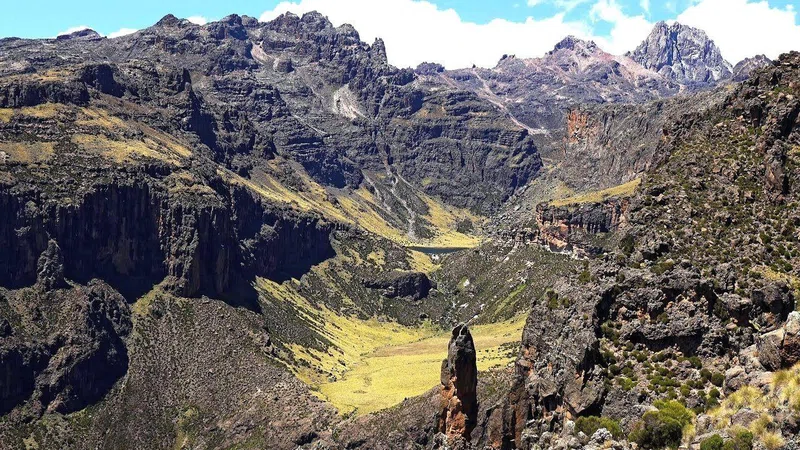
Mount Kenya National Park is located in central Kenya, approximately 150 to 180 kilometers northeast of Nairobi, spanning parts of Nyeri, Kirinyaga, Embu, Meru, and Tharaka-Nithi counties. Established in 1949 and designated a UNESCO World Heritage Site in 1997, the park covers 715 square kilometers. It encompasses the higher elevations above 3,000 meters surrounding Mount Kenya and is encircled by the 705-square-kilometer Mount Kenya Forest Reserve. The central feature of the park is Mount Kenya, an extinct stratovolcano formed around 3 million years ago and the second-highest mountain in Africa. The mountain features three primary summits: Batian (5,199 meters) and Nelion (5,188 meters), which require technical rock climbing, and Point Lenana (4,985 meters), which serves as the principal trekking summit. The area functions as a critical water tower for Kenya, giving rise to major river systems including the Tana and Ewaso Ng'iro rivers.The park spans multiple distinct ecological zones arranged by altitude. The lower slopes feature montane forests of podocarpus and cedar, transitioning into dense mountain bamboo belts, sub-alpine heath and moorlands, and an afro-alpine zone characterized by rare vegetation such as giant lobelias and tree senecios. Higher elevations contain remnant glaciers, dramatic U-shaped valleys, tarns, and sharp volcanic plugs. The park supports diverse wildlife, including African elephants, Cape buffaloes, black-and-white colobus monkeys, tree hyraxes, leopards, and the endangered mountain bongo, alongside over 160 bird species adapted to the mountain environment.Visitors to the park engage in high-altitude trekking, technical rock climbing, alpine camping, and wildlife observation. Main trekking routes include the Sirimon, Naro Moru, and Chogoria approaches, which allow visitors to traverse varied landscapes over multi-day itineraries. Mount Kenya also holds deep cultural and spiritual significance for local communities, including the Kikuyu, Embu, and Meru peoples. Traditionally revered as the home of the deity Ngai and locally called Kirinyaga—meaning "Mountain of Whiteness" in reference to its snow-capped peaks—the mountain historically influenced local customs, including the orientation of traditional homes toward its summit.
Quick Info
Own this place?
Claim it to manage photos, respond to visitors, and promote it to travelers.
Claim this listing →Safari Tours
9 tours departing from this area
luxury
5-Day Mt Kenya up Sirmon down Chogoria
$773
 SUNSTRIP AFRICA SAFARIS LIMITED trading as Sunstrip Africa Safaris
luxury
5-Day Mount Kenya Trek Sirimon down Chogoria Route
$806
Hyrax Safaris Limited trading as Hyrax Safarisluxury
3-Day Mount Kenya Highlands Experience Nature Escape
$1,512
WILD ATLAS AFRICA LTD trading as Wild Atlas Africa




5-Day Mt Kenya Trekking Sirimon Gate down Chogoria
0.0 km away
7-Day Mt Kenya Hike & Samburu Safari – Summit Then Safari
0.0 km away
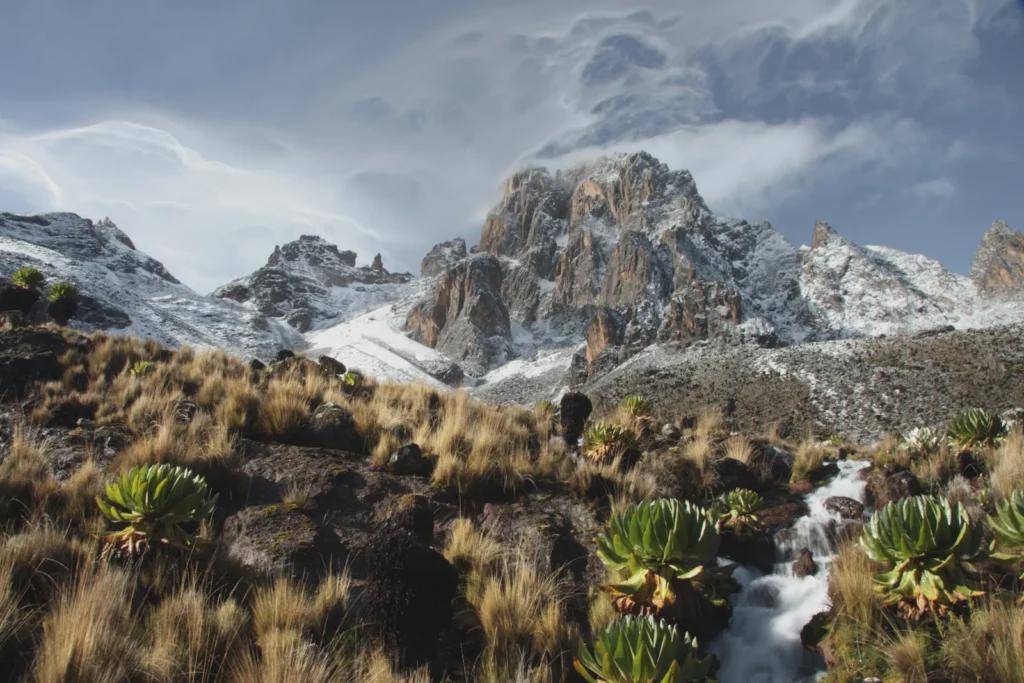
5-Day Mt Kenya Trek & Ol Pejeta Safari
0.0 km away
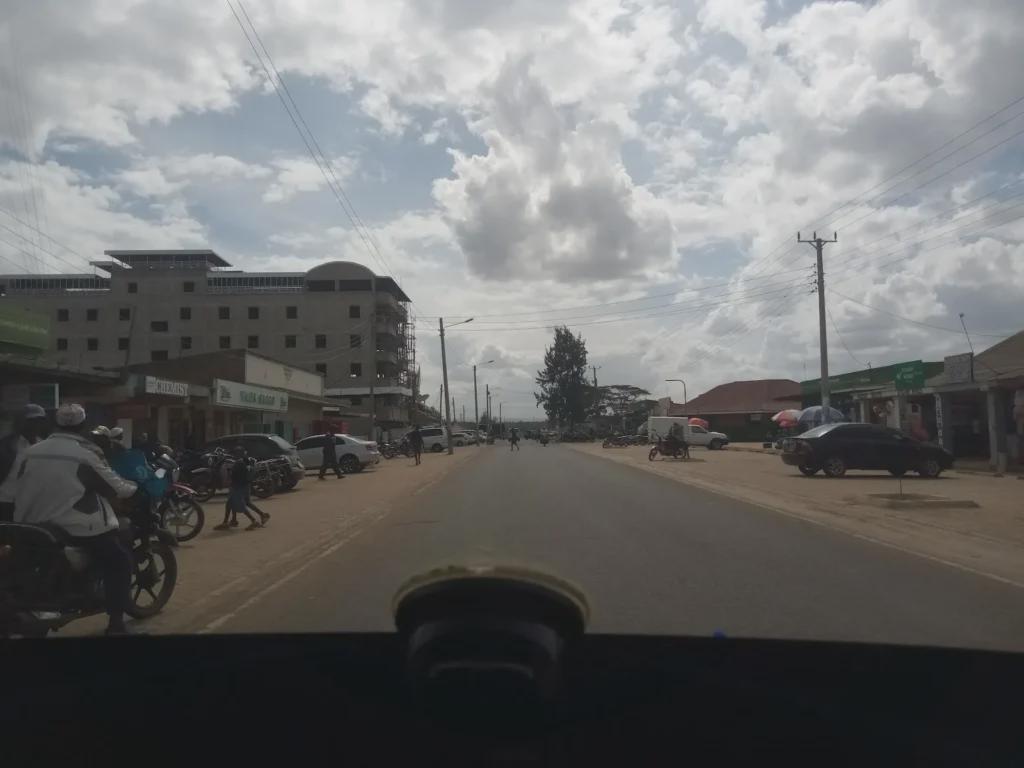
3-Day Walking Safari Laikipia – Track Wildlife on Foot in Kenya
0.0 km away

3 Days Sweetwaters Ol Pejeta Conservancy Camping Safari
0.0 km away
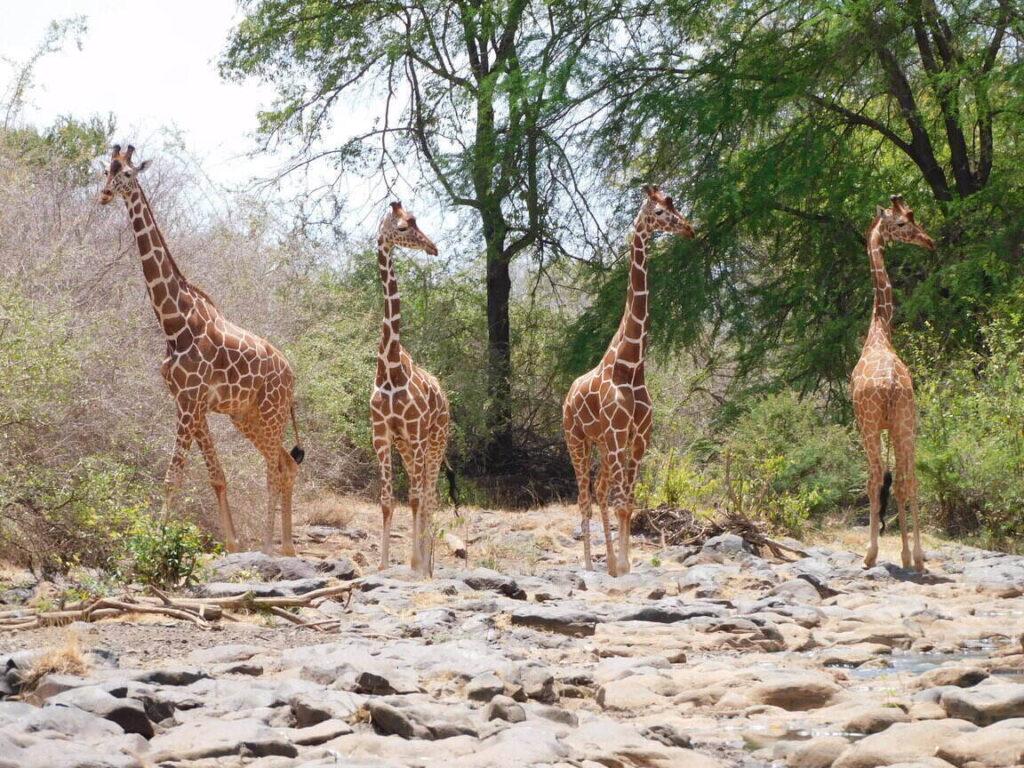
Meru National Park Safari
0.0 km away
Weather & Rainfall Patterns
Station: 2n375e · 22.8 km away · 1903m