
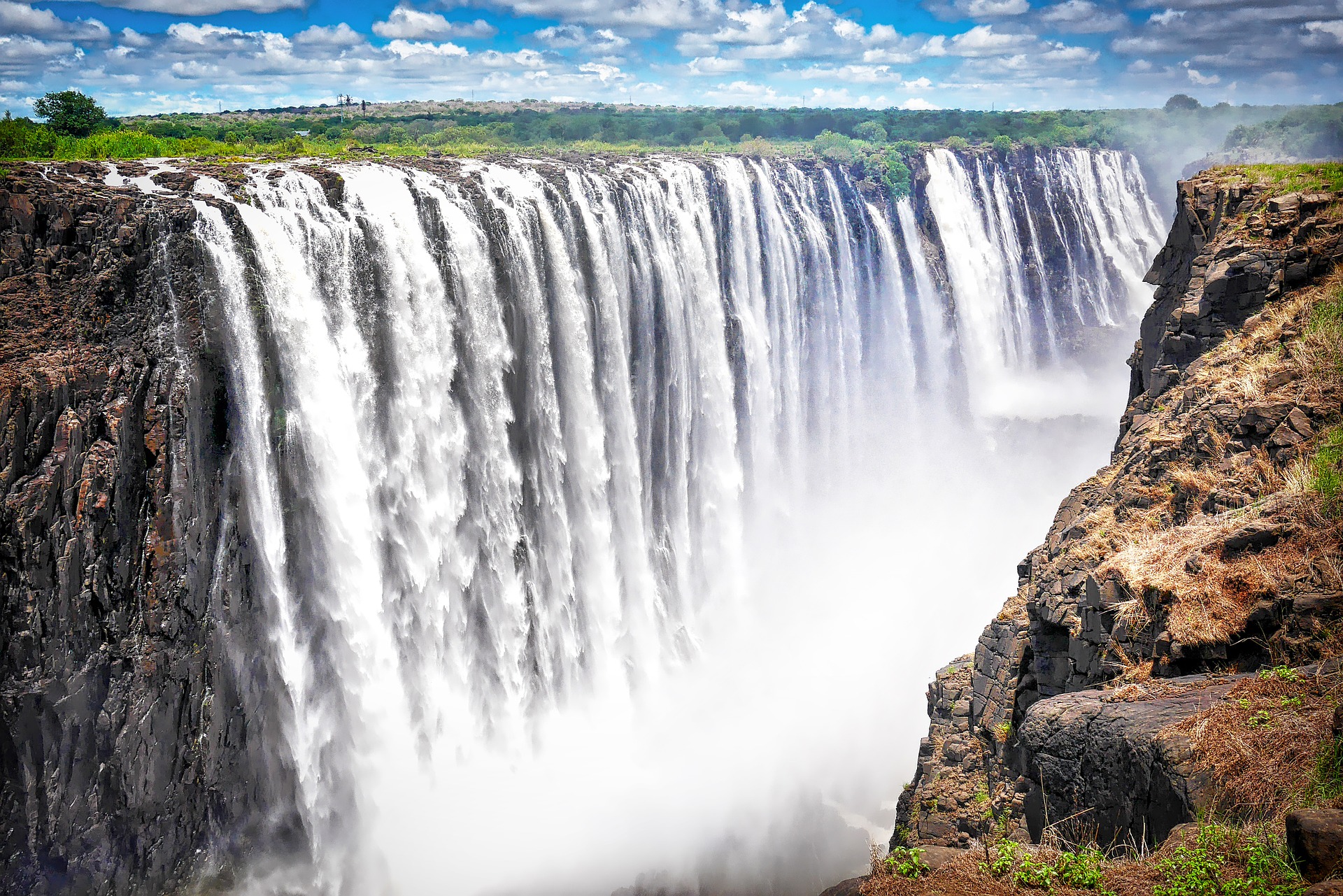
Victoria Falls
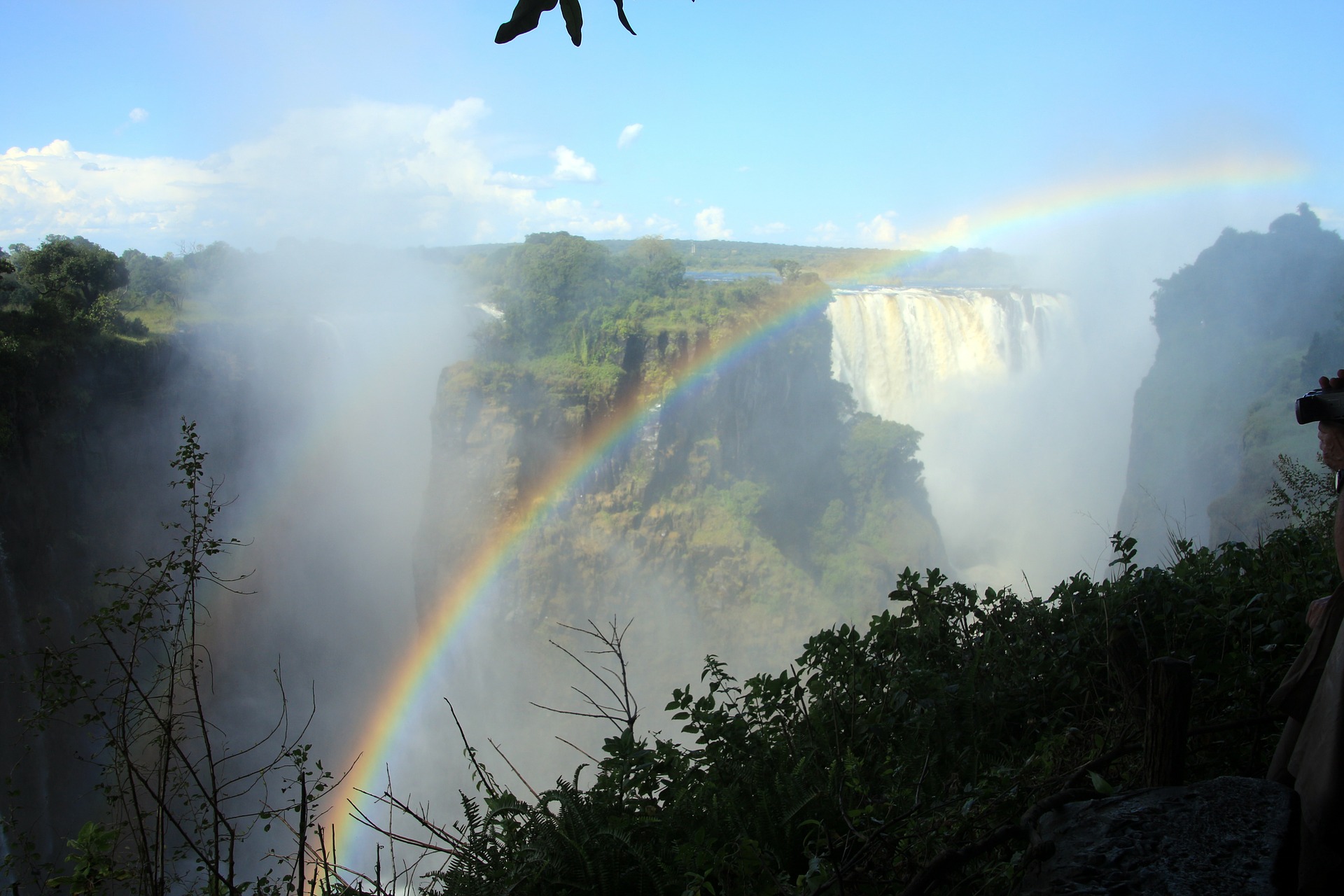
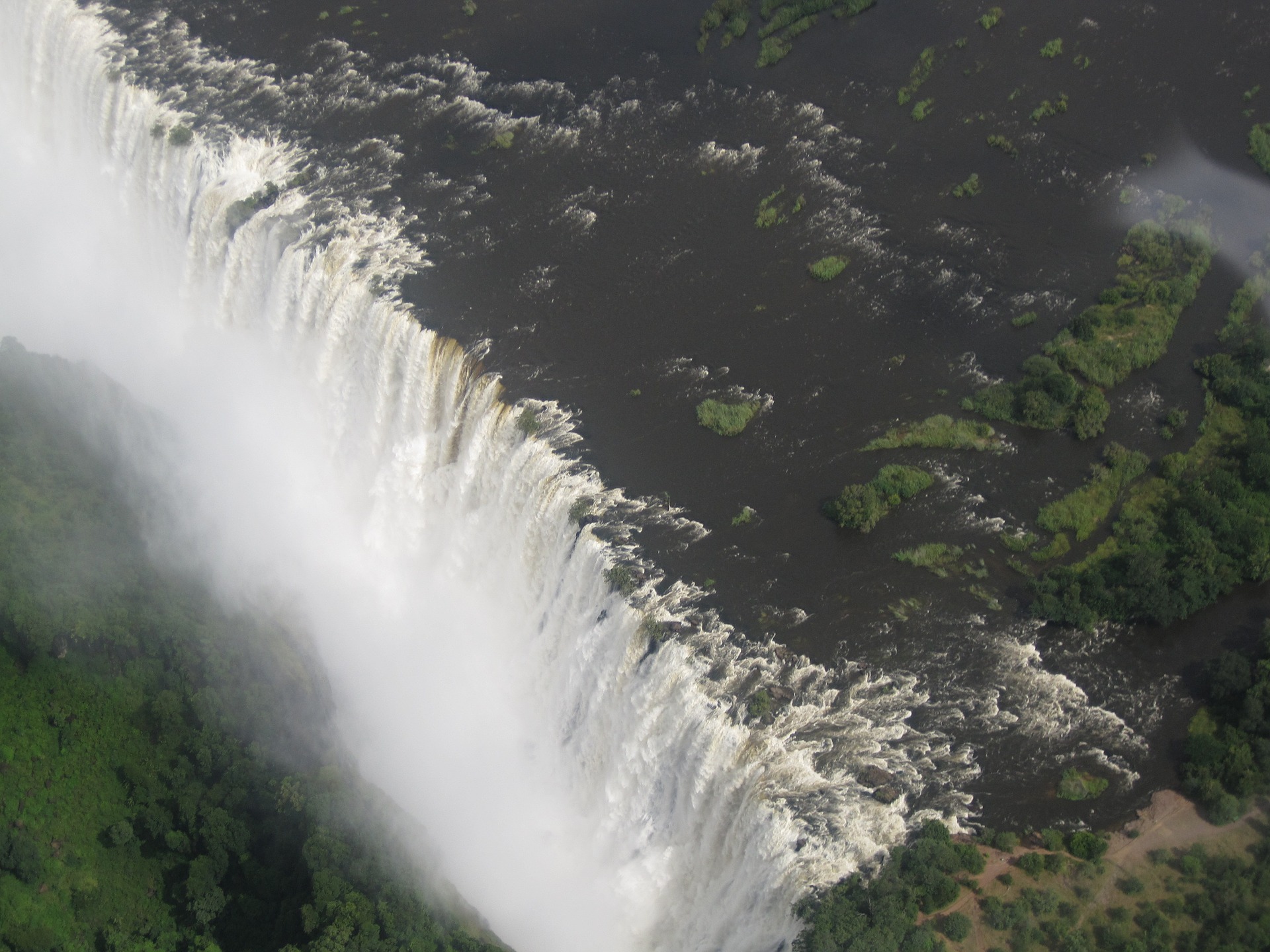
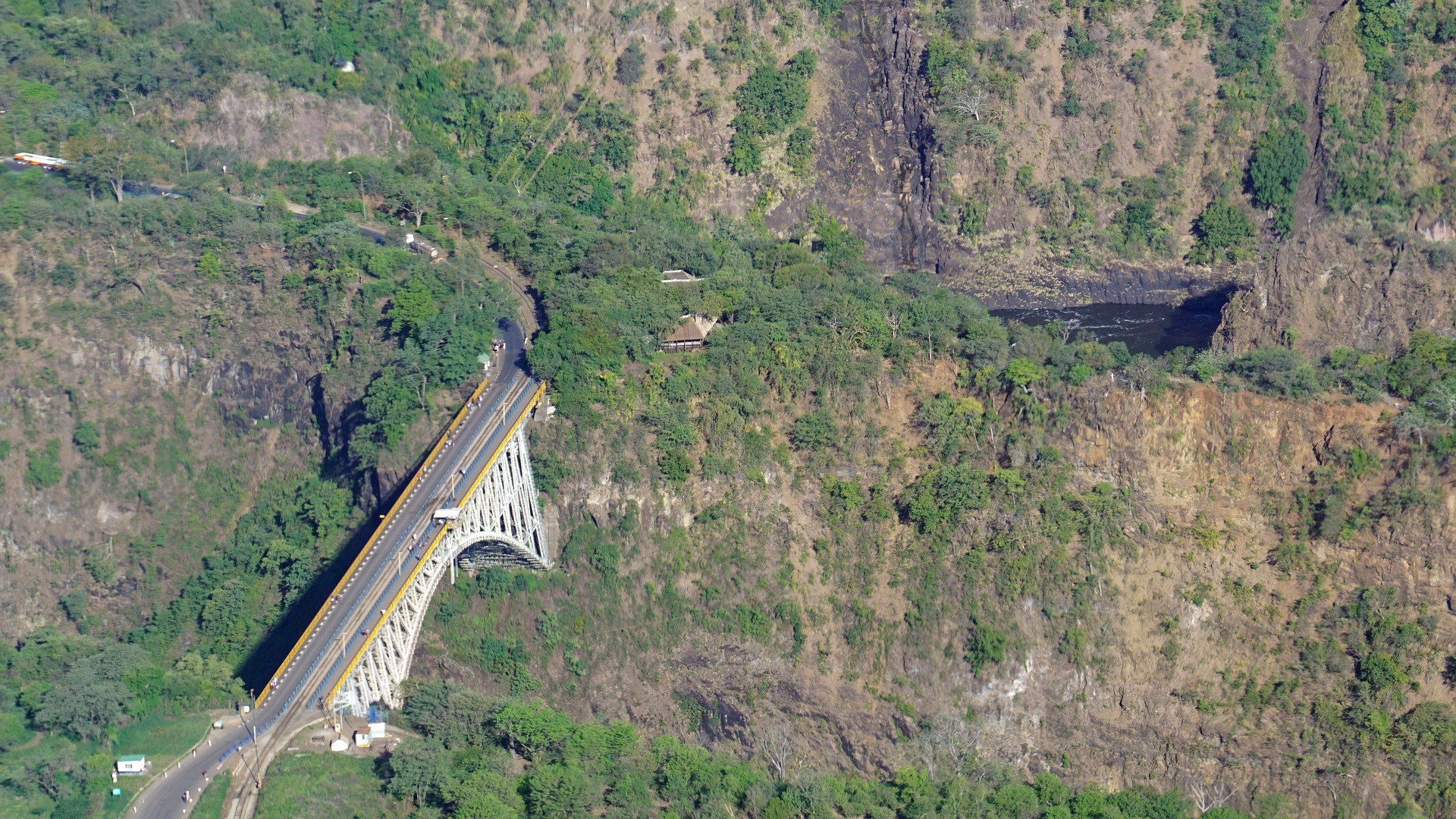
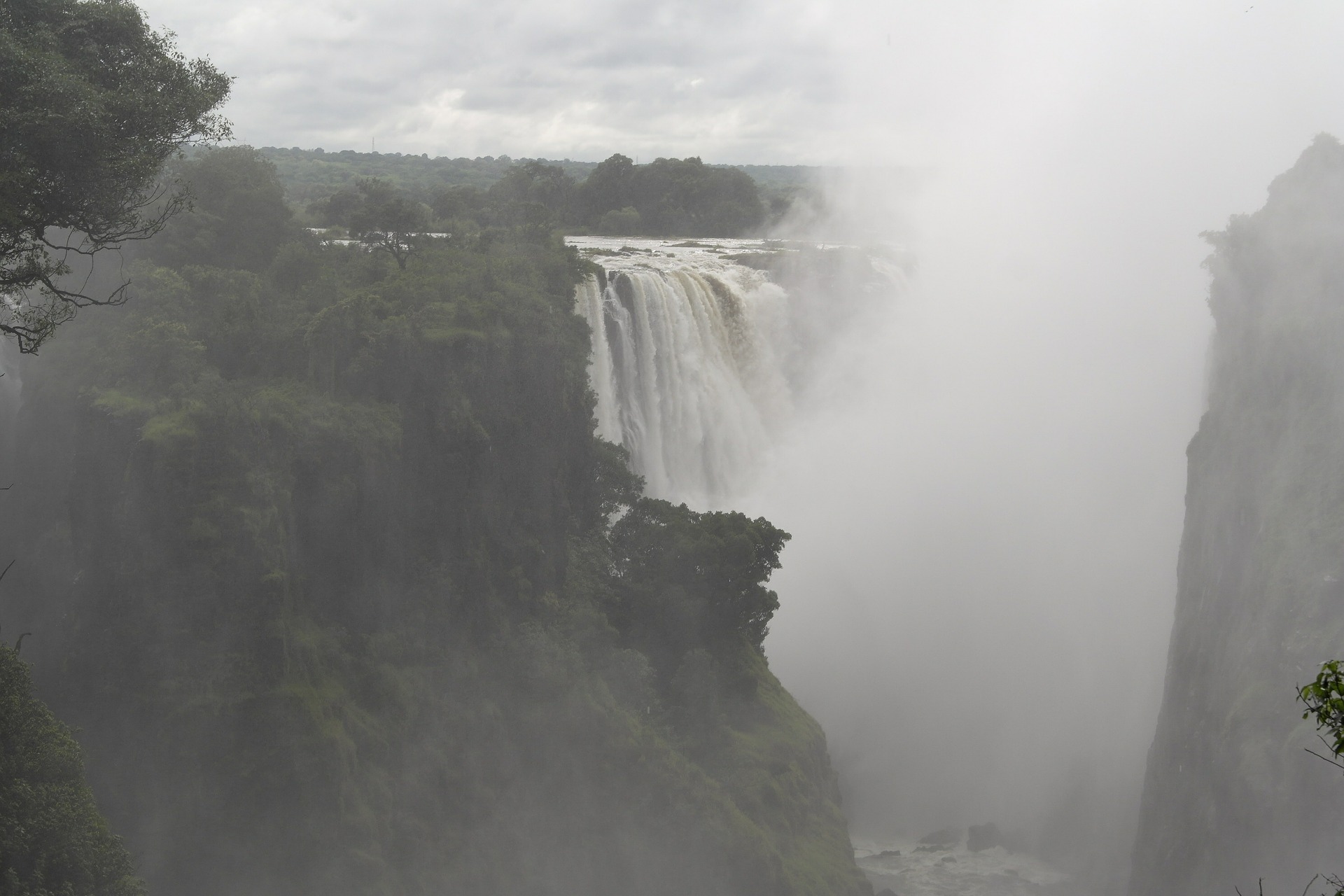
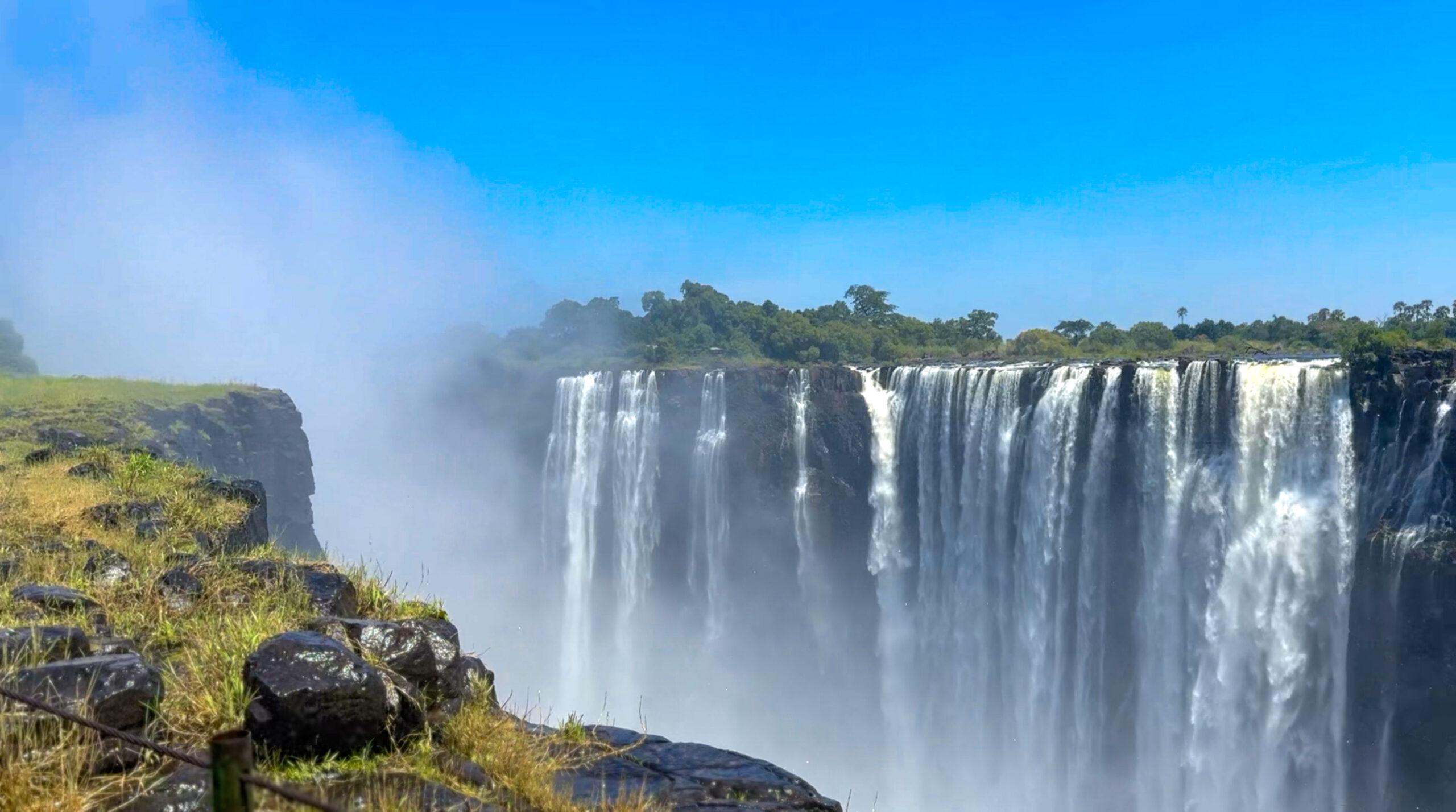
Victoria Falls, known locally as Mosi-oa-Tunya, meaning "the thundering smoke," is a remarkable natural wonder situated on the border between Zambia and Zimbabwe. The falls are formed by the Zambezi River, Africa's fourth-longest river, as it plunges into the Batoka Gorge. Measuring an impressive 1708 meters in width, Victoria Falls is one of the largest waterfalls globally, creating a spectacular curtain of water and a mist that can be seen from many miles away. The area is recognized as a UNESCO World Heritage site, celebrated for its geological significance and the rich biodiversity it supports. The region around Victoria Falls offers a range of activities for visitors. Popular choices include white water rafting and canoeing on the Zambezi River, bungee jumping and gorge swinging from the Victoria Falls Bridge, and scenic helicopter or microlight flights that provide aerial views of the falls and the surrounding landscape. On land, visitors can embark on game drives and rhino walks in Mosi-oa-Tunya National Park, or engage in lion interactions and crocodile cage diving. The falls also serve as a habitat for diverse flora and fauna, making it a complete attraction for nature enthusiasts. The best time to visit depends on desired experiences. During the dry season, from September through November, water levels are lower, allowing for activities like swimming in Devil's Pool or walking along the top of the falls. The dry months between June and August are ideal for safaris in nearby national parks such as Chobe National Park in Botswana or Hwange National Park. The rainy season showcases the full force of the waterfalls, creating immense sprays and offering the rare opportunity to witness a moonbow, a rainbow formed by the mist and moonlight. For a balance of impressive water flow and good visibility, June and July are often recommended.








Township Tour
0.0 km away
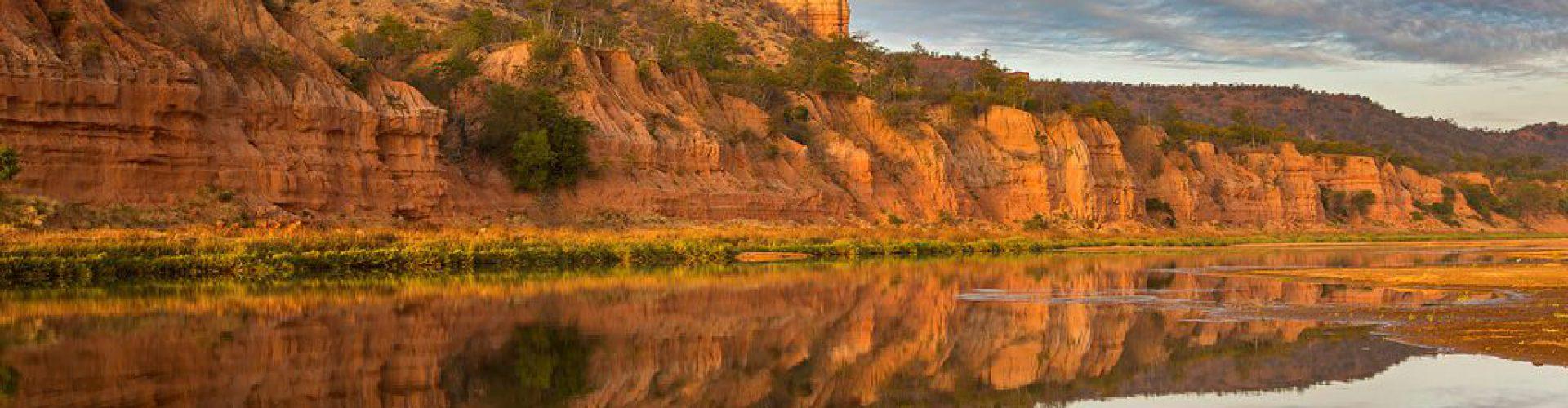
Day Trips
0.0 km away
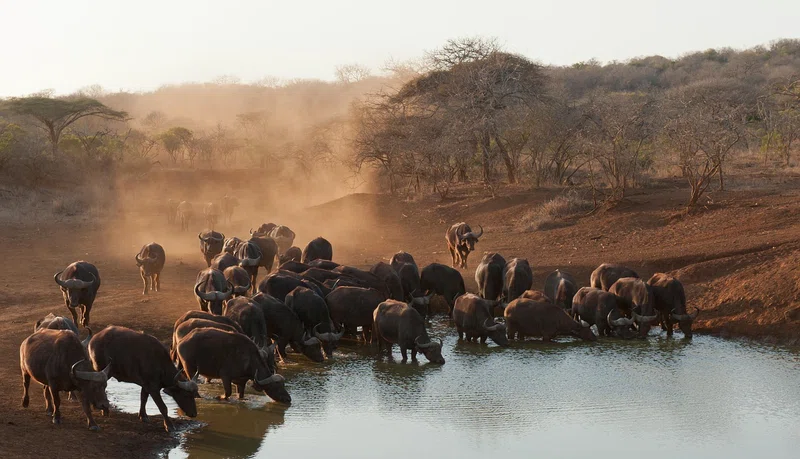
5-Day Bayete Lodge Victoria Falls with Chobe Tour
0.0 km away

Going Around Zimbabwe – Our Favourite Trip of the Year!
0.0 km away
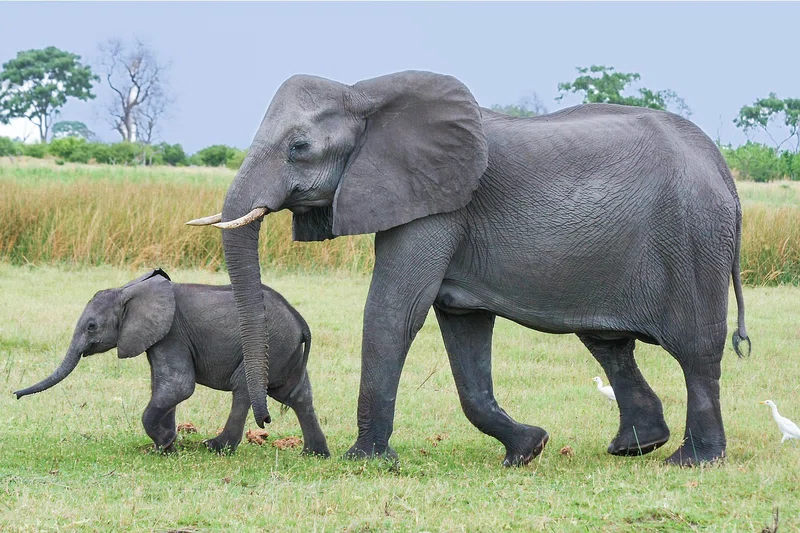
4-Day Victoria Falls & Chobe Shearwater Explorer Village
0.0 km away
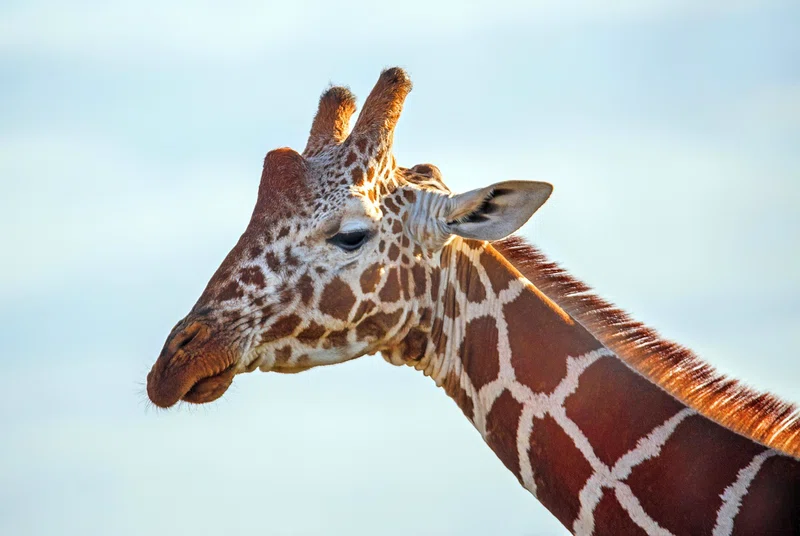
5-Day The Shrub Lodge Victoria Falls and Chobe Tour
0.0 km away
Weather & Rainfall Patterns
Station: 180s259e · 19.9 km away · 977m