
Toliara
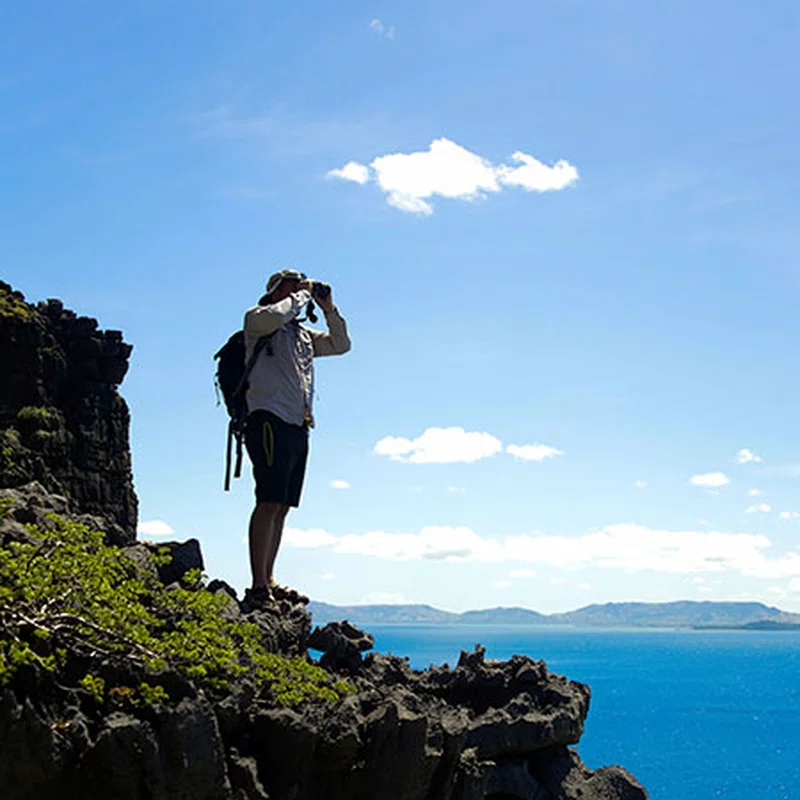
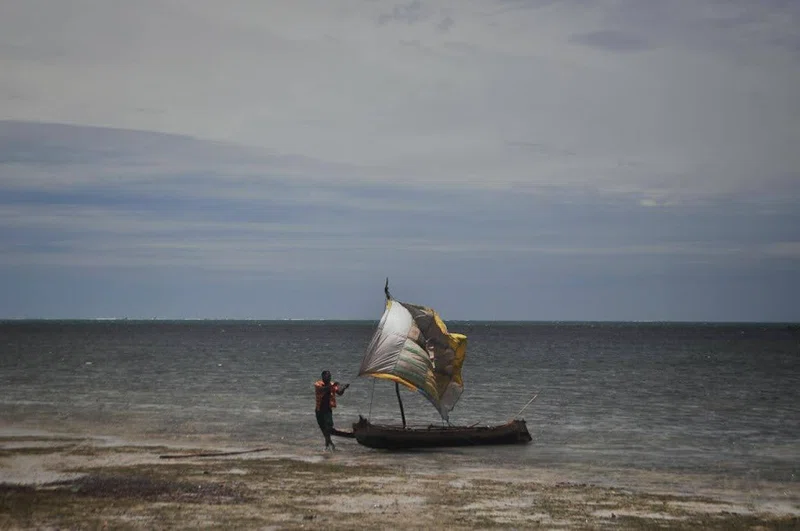
Toliara, also known as Toliary and formerly Tuléar, is a significant city located in southern Madagascar, serving as the capital of the Atsimo-Andrefana region. It lies approximately 936 km southwest of the national capital, Antananarivo, on a broad coastal plain near the Tropic of Capricorn in the Mozambique Channel. The city, often called the "City of the Sun," experiences a hot, arid climate with an average temperature of 25.3 °C and less than 400 mm of annual rainfall, consistently swept by the strong "Tsio Katimo" (South Wind). Its geography is characterized by surrounding dunes and mangroves, and it is protected by the Great Reef, an 18 km long and 3 km wide barrier reef. The Fiherenana Delta is located to its north.Historically, Toliara's origins trace back to the 17th century when French buccaneers established a settlement in the Bay of St. Augustine for trade. The city saw substantial growth during the colonial period after 1897, becoming a regional capital under Joseph Gallieni. The name "Toliara" was officially adopted in the 1970s, aligning with Malagasy language orthography. The indigenous population consists of the Vezo, nomadic fishermen, though migrants from other southern regions now form a significant part of the urban populace. Cultural attractions include the Museum of Arts and Traditions of the South of Madagascar, the Recycling Museum, the Regional Museum of the University of Toliara, and the Museum of the Sea. Boulevard Galliéni is a notable street featuring various monuments.Toliara is a hub for various activities, particularly those related to its coastal environment. The calm, shallow seas are ideal for scuba diving, and nearby beaches like Ifaty are popular for their waters and sands. Snorkeling and diving are also prominent activities around Ile aux Serpents and Ile de la Passion. On land, the Antsokay Arboretum, a 52-hectare botanical garden, showcases over 920 plant species, many endemic to Madagascar, along with lemurs, radiated tortoises, snakes, and chameleons. Hiking trails along the cliffs offer scenic views of the Indian Ocean. The city's economy has historically relied on its port as an import/export hub for commodities like sisal, cotton, rice, and peanuts, and it is also known for sea salt production. Tourism is a growing sector, capitalizing on the climate and natural attractions.
Weather & Rainfall Patterns
Station: 220s444e · 0 km away · 212m