
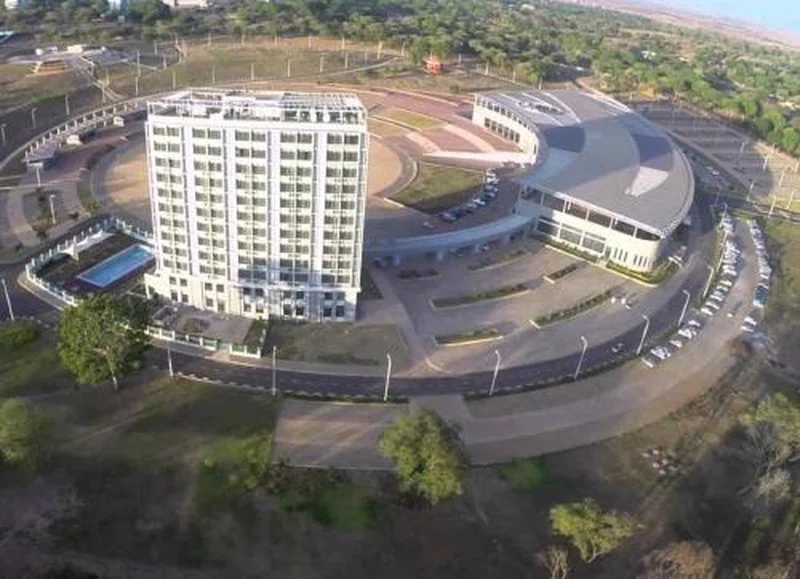
Dedza
Dedza is a district located in the Central Region of Malawi, positioned south of the capital city, Lilongwe, and bordering Mozambique. The town of Dedza itself is nestled at the base of Dedza Mountain, which rises to an elevation of 7,211 feet (2,198 meters). This elevated location contributes to a cool, healthy climate and ensures a consistent supply of mountain water. The district spans an area of 3,624 square kilometers and, as of 2008, the town had a population of 20,375, while the district's population was recorded at 830,512.The economy of Dedza is predominantly agro-based, with tobacco farming being the primary economic activity. Other significant crops cultivated include maize, beans, groundnuts, and soya beans. The temperate climate in certain parts of the district is conducive to growing horticultural crops such as Irish potatoes, tomatoes, onions, and peas, which are largely supplied to Lilongwe. Dedza Mountain is also covered by extensive softwood plantations, supporting local sawmills and a nearby forestry training school. The district is strategically important as it hosts the main border post for road transportation connecting Malawi to the Indian Ocean ports of Beira and Maputo in Mozambique, as well as to Zimbabwe and South Africa.Historically, the Dedza region was sparsely populated until the 1920s and 1930s, when it experienced an influx of refugees, primarily emigrants from Mozambique seeking to evade taxation. Today, Dedza functions as a vital trade center for its productive agricultural lands. Administratively, the district is divided into nine second-level subdivisions, including Traditional Authorities (TA) such as Tambala, Kasumbu, Kaphuka, Kachindamoto, and Pemba, as well as Sub-Chiefs (SC) Chauma, Chilikumwendo, and KamenyaGwaza, and the Dedza Boma.




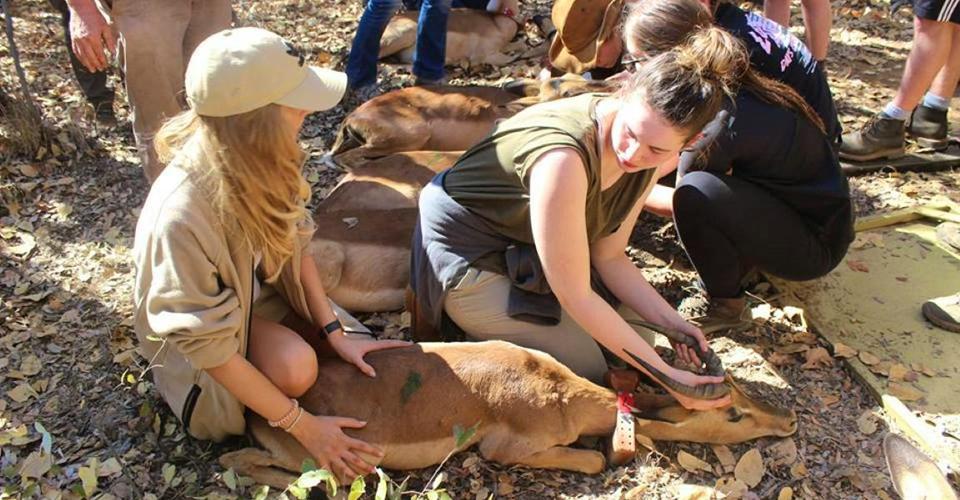
Malawi Summer Volunteer & Safari Travel
0.1 km away
Weather & Rainfall Patterns
Station: 145s338e · 33.1 km away · 1300m