
Kibale National Park
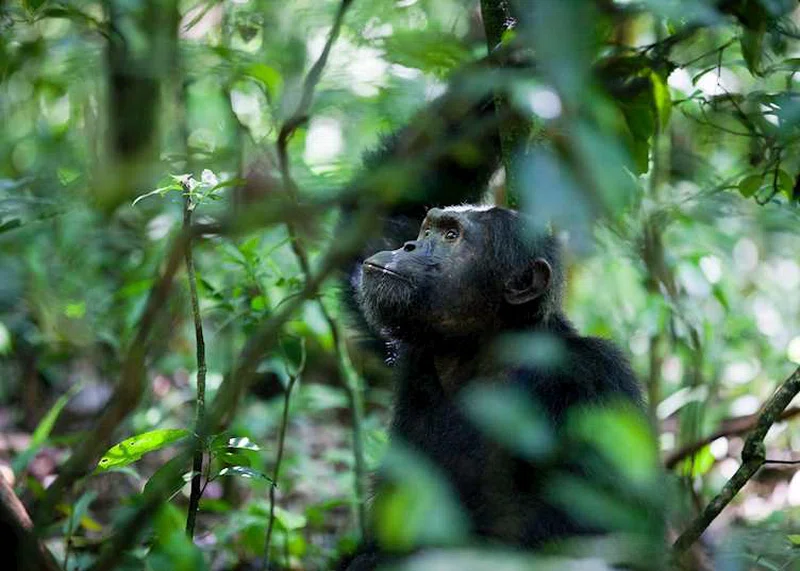
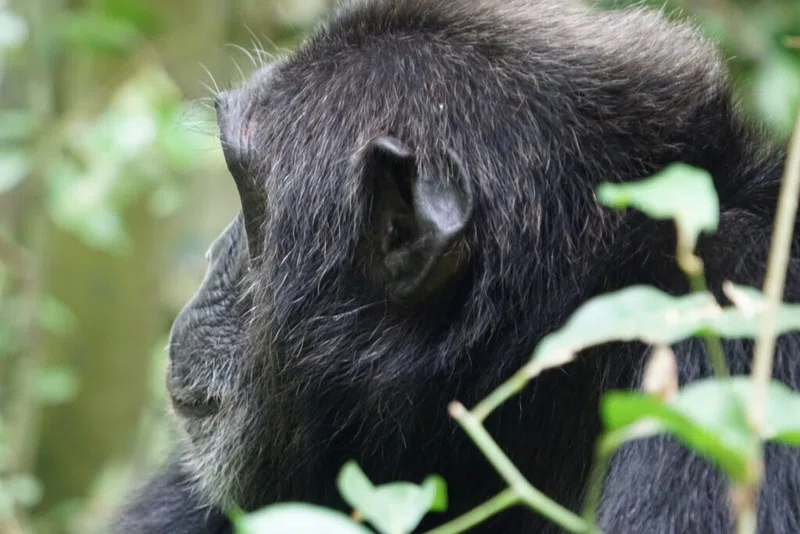
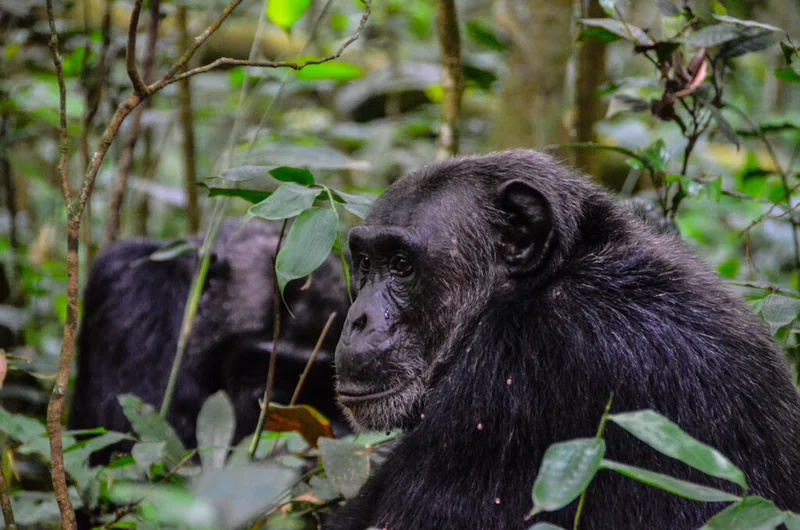
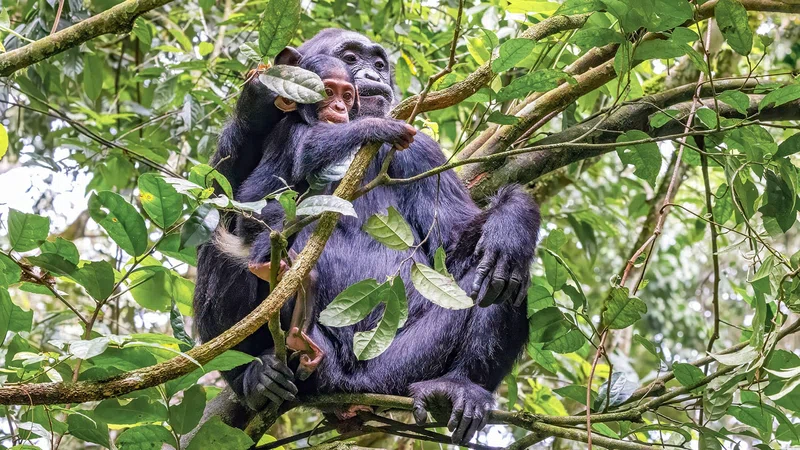
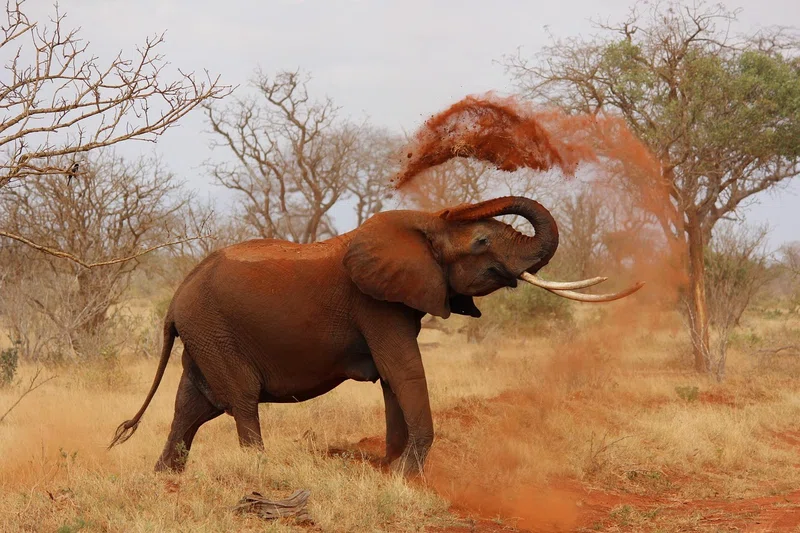
Kibale National Park is a protected area covering approximately 766 to 795 square kilometers in Kabarole District, western Uganda, roughly 35 kilometers south of Fort Portal and 300 kilometers west of Kampala. Gazetted as a forest reserve in 1932 and established as a national park in 1993, it is managed by the Uganda Wildlife Authority. The park spans an elevation gradient from 1,100 meters on the Albertine Rift Valley floor to 1,590 meters on the Fort Portal plateau. Its landscape consists primarily of moist evergreen tropical rainforest, pre-montane woodland, swamps, and grassland patches. In the south, Kibale connects directly with Queen Elizabeth National Park, forming a continuous 180-kilometer wildlife migration corridor.Widely recognized for its high primate diversity, Kibale shelters 13 primate species, representing one of the highest concentrations of primates in Africa. The park protects an estimated 1,450 to 1,500 wild chimpanzees, alongside substantial populations of Ugandan red colobus monkeys, L'Hoest's monkeys, black-and-white colobus, Uganda mangabeys, red-tailed monkeys, blue monkeys, and olive baboons. Nocturnal primates such as pottos and bushbabies inhabit the canopy after dark. In total, over 70 mammal species reside in the park, including forest elephants, African buffaloes, bushpigs, giant forest hogs, sitatungas, and bushbucks. Kibale is also home to more than 350 bird species, featuring Albertine Rift endemics like the green-breasted pitta, Nahan's francolin, and blue-headed bee-eater.Tourism and scientific research are centered around the Kanyanchu Visitor Centre, where guided chimpanzee tracking walks depart daily to observe habituated chimp communities, a program active since 1993. Visitors can also participate in full-day chimpanzee habituation experiences, guided day and nocturnal forest walks, and birdwatching excursions. Beyond the park boundary, eco-tourism activities extend to community-run guided swamp walks in the Bigodi Wetland Sanctuary and tours of the Ndali-Kasenda crater lakes. The park also hosts long-term ecological research initiatives, including the Makerere University Biological Field Station and the Ngogo Chimpanzee Project.
Quick Info
Own this place?
Claim it to manage photos, respond to visitors, and promote it to travelers.
Claim this listing →Safari Tours
10 tours departing from this area
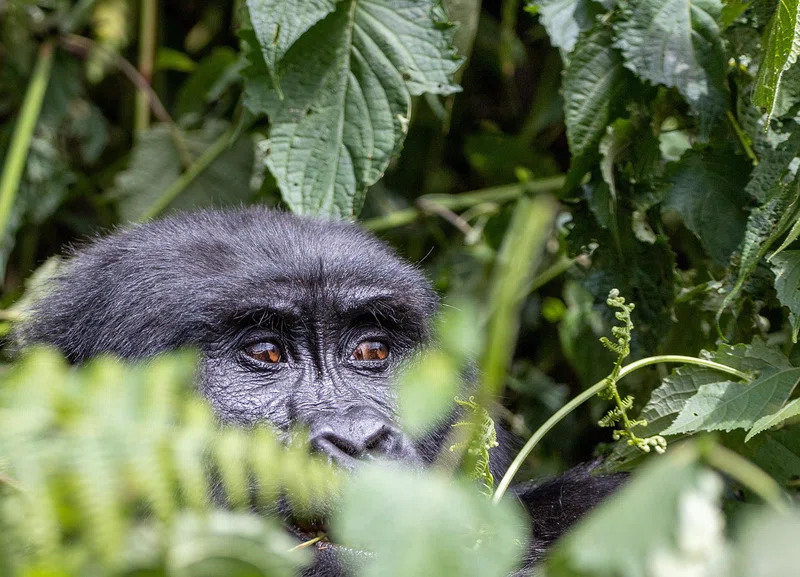 luxury12 days
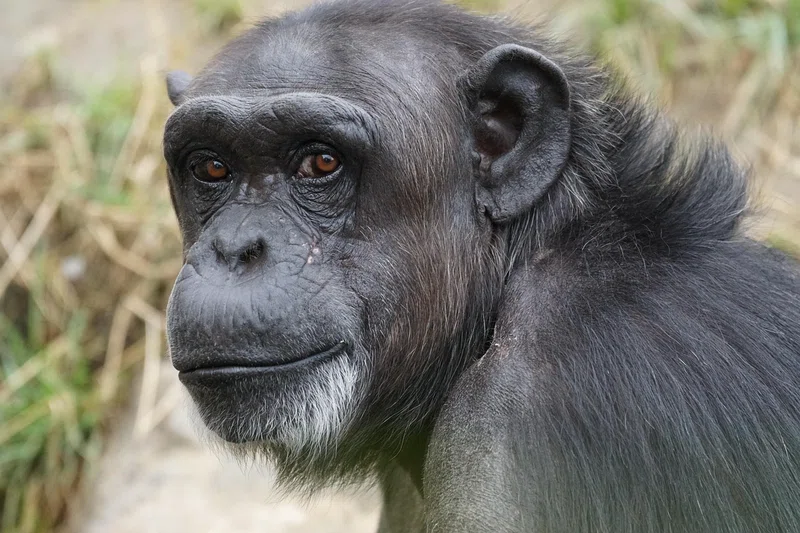 luxury12 days
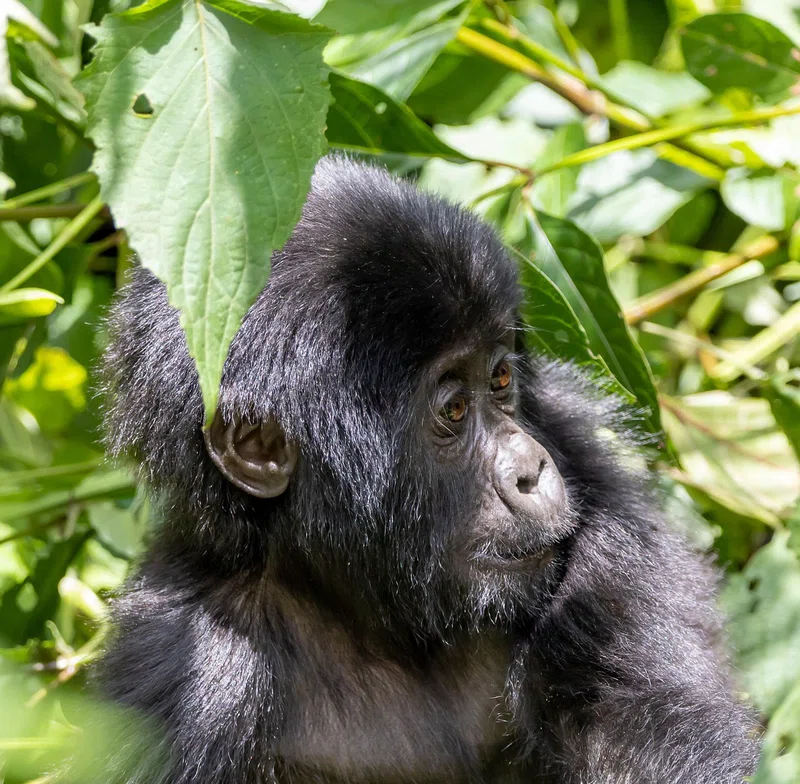 luxury6 days
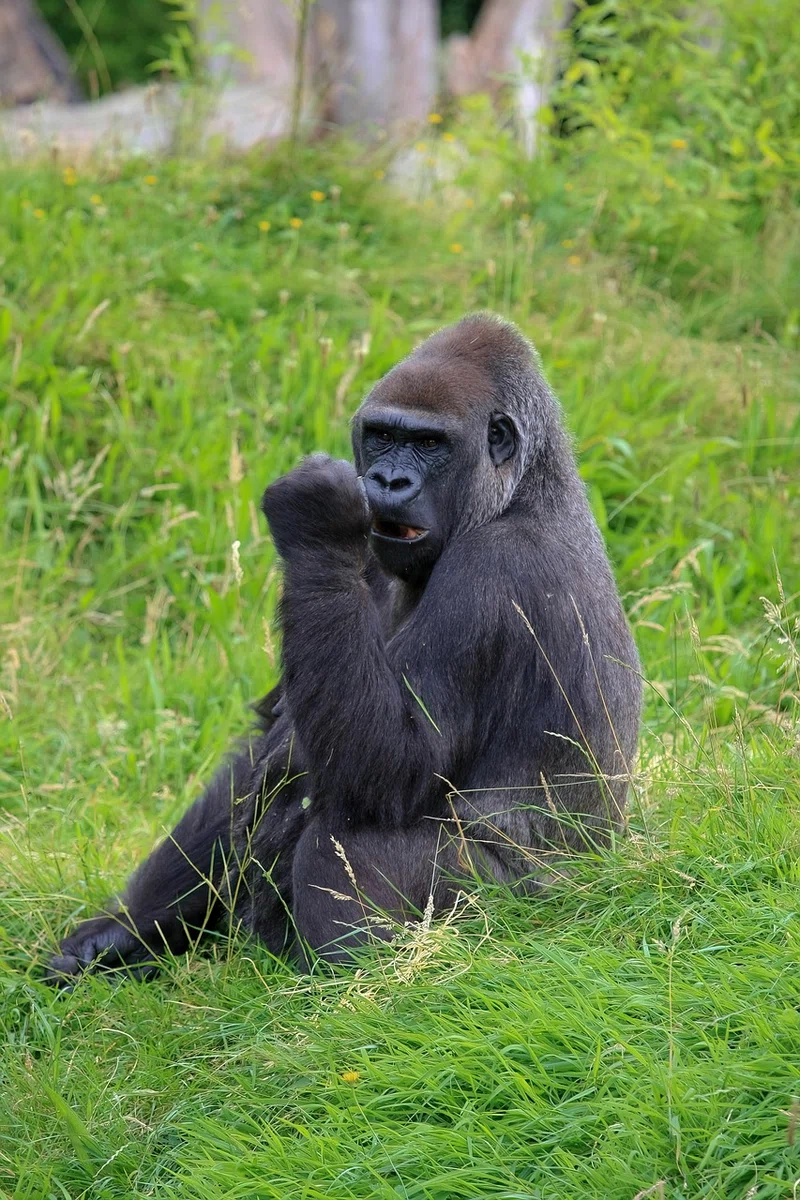 luxury20 days
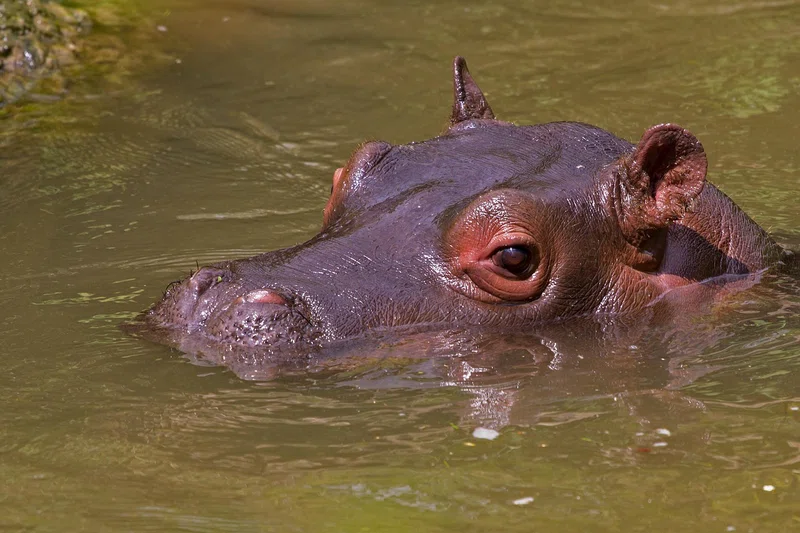 luxury11 days
 luxury16 days
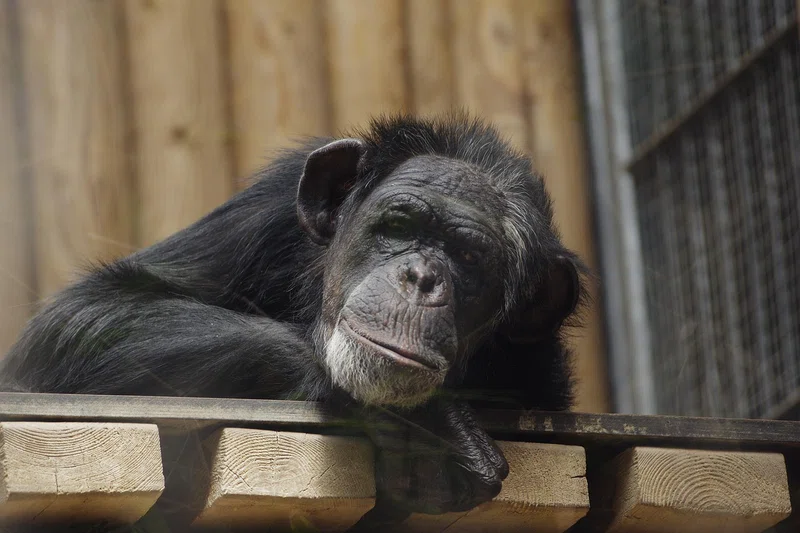 luxury7 days
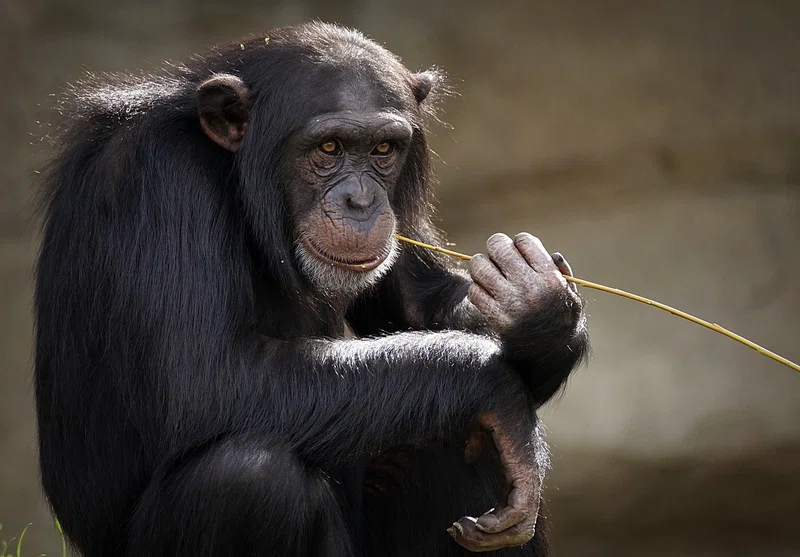 luxury5 days
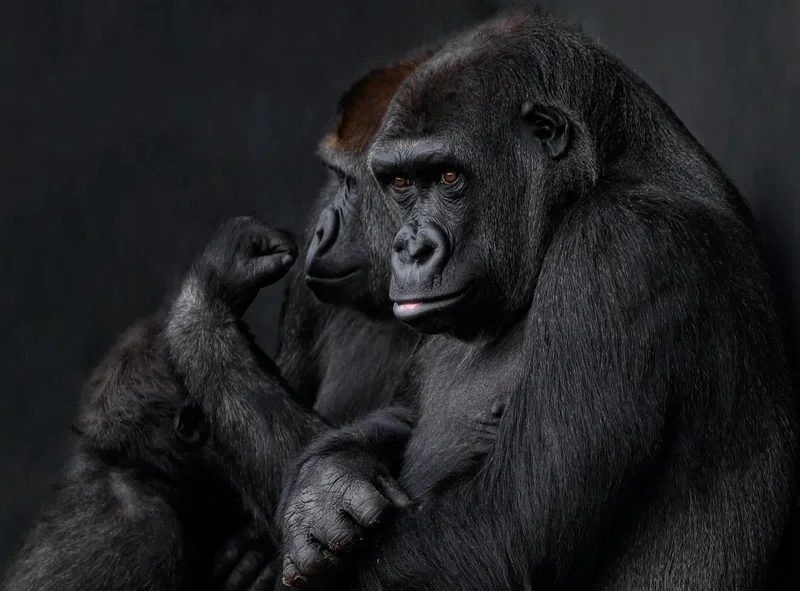 luxury7 days
 luxury8 days
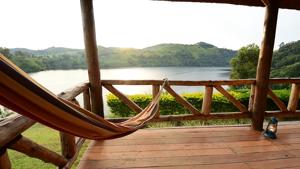
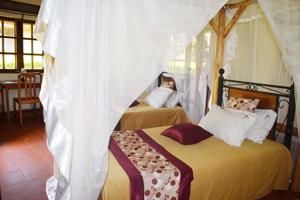



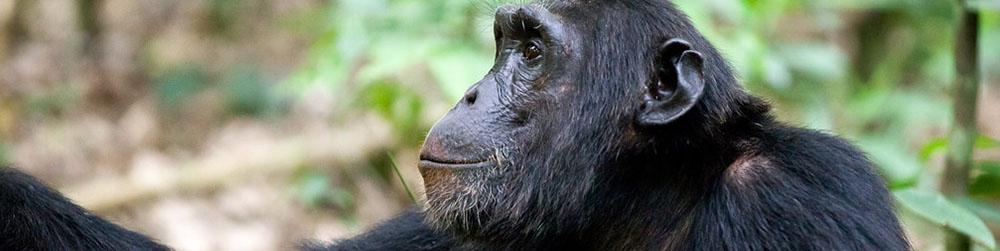
5 Days Gorilla and Chimpanzee Trekking Safari
0.0 km away
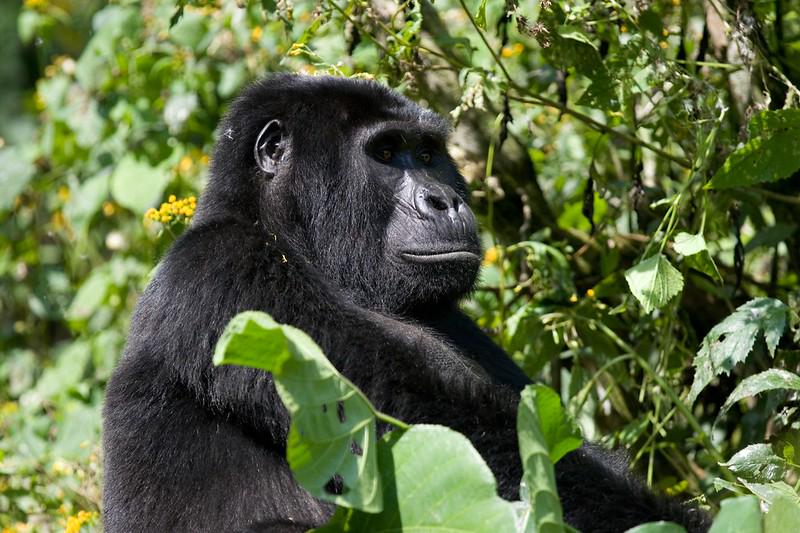
6 Day Uganda Primates Trekking
0.0 km away
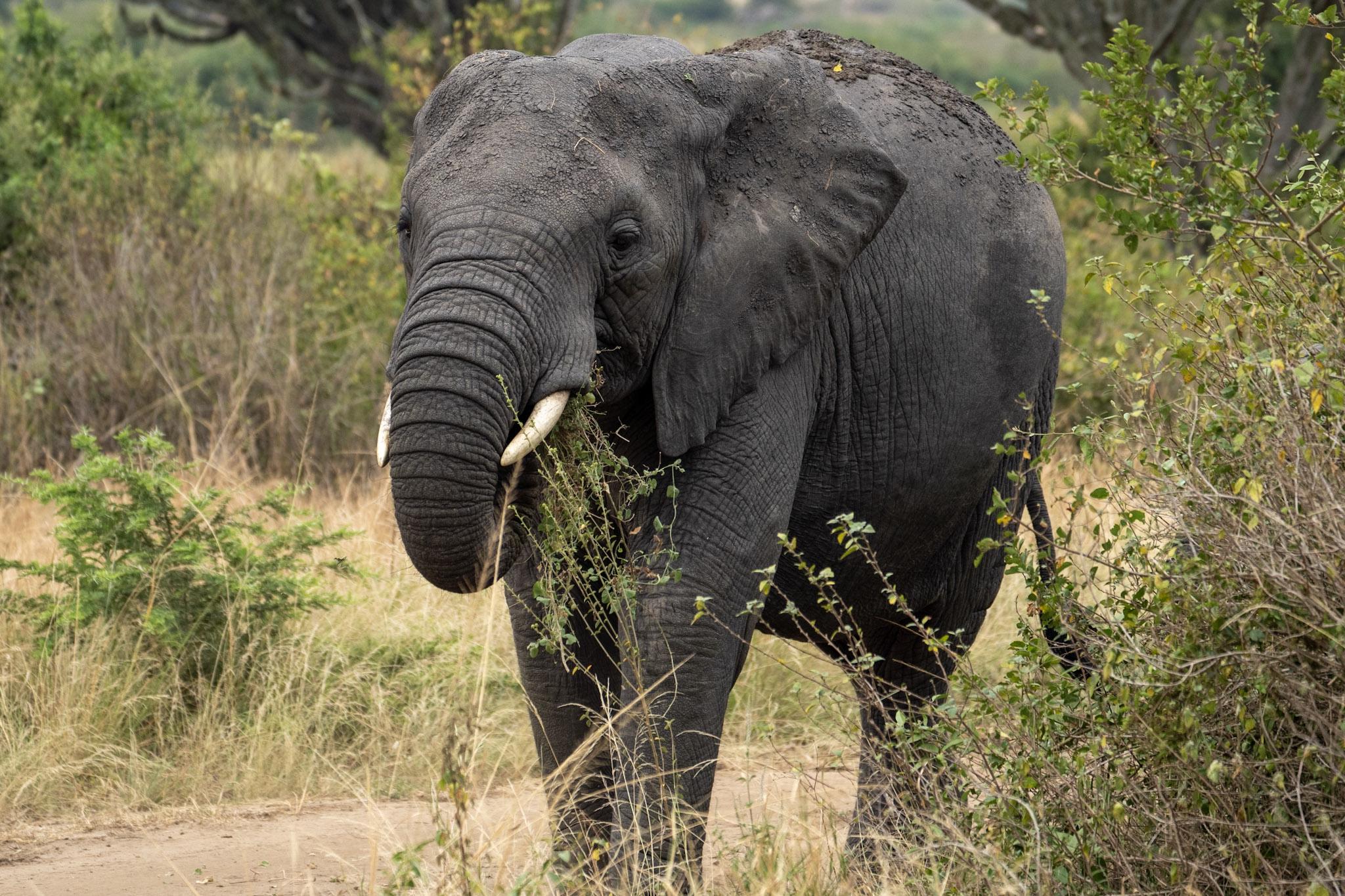
9-Day Uganda Family Trip: Empire of the Apes Adventure
0.0 km away
9 Days Uganda Gorilla and Chimps Safari
0.0 km away

11 Days Uganda Safari Trip
0.0 km away

7 Days - Gorilla and Wildlife Safari
0.0 km away
Weather & Rainfall Patterns
Station: 5n303e · 12.4 km away · 1422m