

Antananarivo
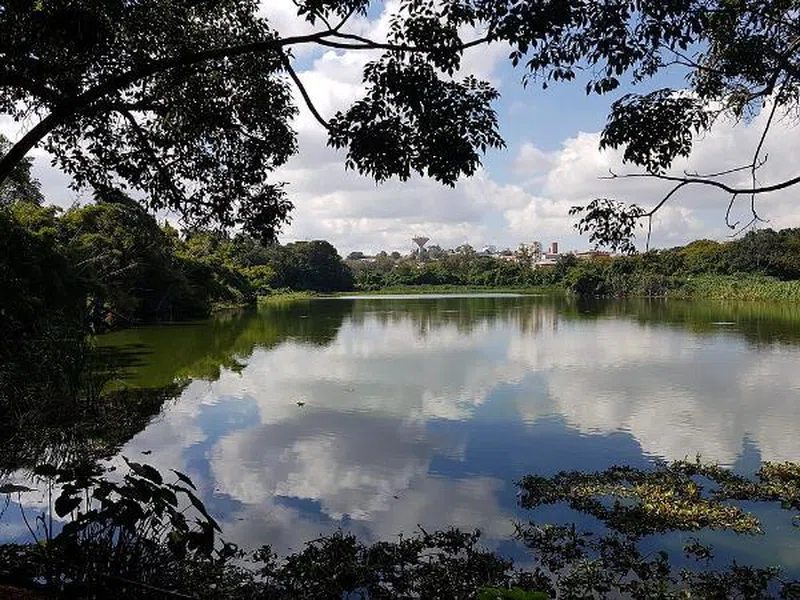
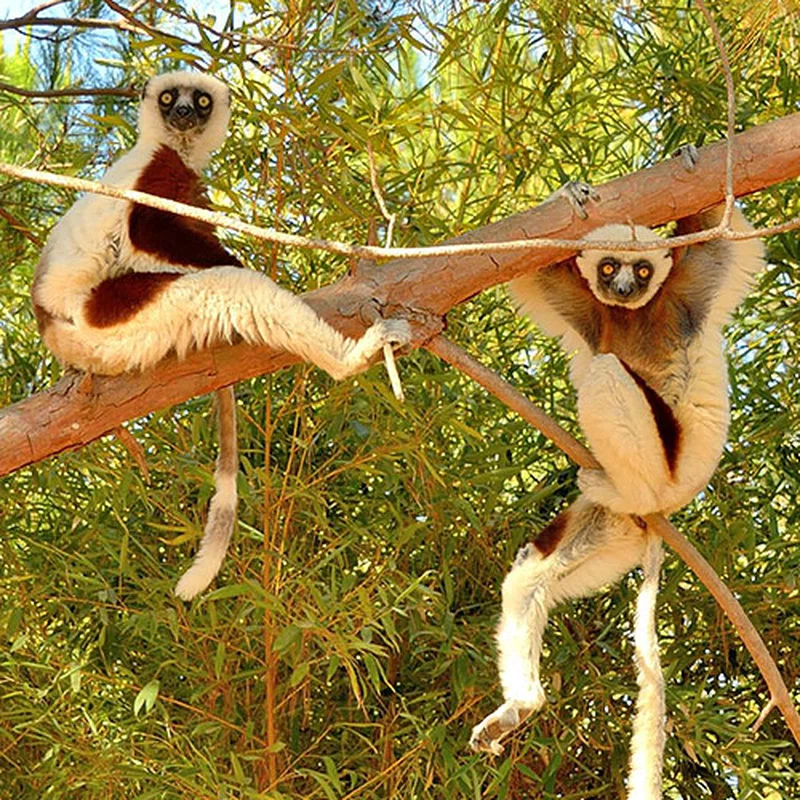
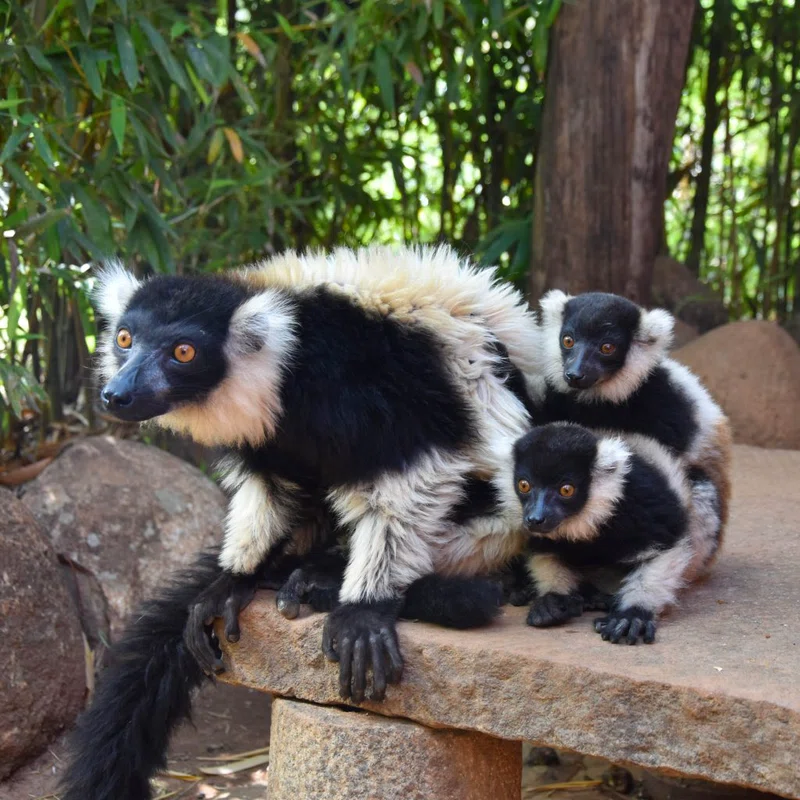
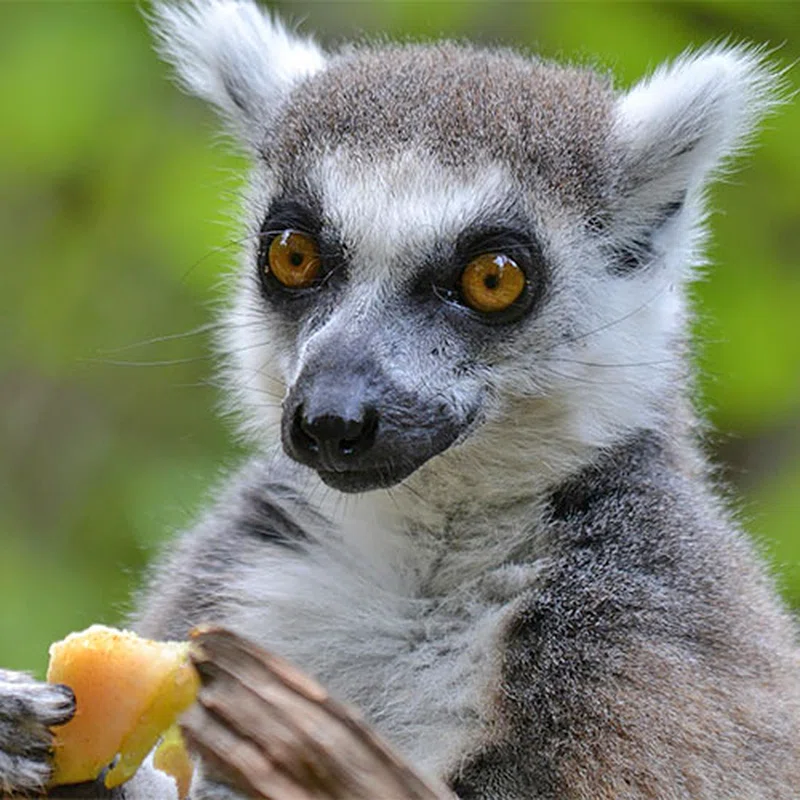
Antananarivo, often shortened to Tana, is the capital and largest city of Madagascar, situated in the Central Highlands region at an elevation of approximately 1,280 meters (4,199 feet) above sea level, making it the highest national capital among island countries. The city's official boundaries cover about 86.4 square kilometers (33.4 square miles), with a metropolitan population approaching three million as of 2018. It is centrally located within the country, about 160 km (99 mi) from the east coast and 330 km (210 mi) from the west coast. The cityscape is characterized by its position on a long, narrow, rocky ridge, rising about 200 meters (660 feet) above extensive rice fields, particularly the Betsimitatatra, which are prone to flooding during the rainy season and drained by the Ikopa River. The climate is subtropical highland, featuring mild, dry winters and warm, rainy summers.Historically, Antananarivo was the capital of the Merina people and was founded around 1610 or 1625 by King Andrianjaka, who established a fortified royal dwelling (rova). It was later renamed "City of the Thousand" by King Andriamasinavalona. The city served as the capital of the Kingdom of Imerina and subsequently the Kingdom of Madagascar, retaining its status through French colonization and post-independence. Key landmarks include the reconstructed Rova of Antananarivo, Andafiavaratra Palace, Lake Anosy, and the Tsimbazaza Zoo, which showcases Madagascar's unique animal species. The city's vibrant culture is reflected in its bustling markets, such as the historic Zoma market (now relocated), and a lively arts scene with various musical and dance performances.Antananarivo's architecture blends colonial and traditional Malagasy styles, with colorful historic houses and churches dominating the skyline. The city's neighborhoods often reflect historic ethnic and caste divisions. While the city faces challenges related to rapid population growth, such as infrastructure strain and environmental concerns, efforts are being made to protect and restore its architectural and cultural heritage. The city is a hub for education, hosting the University of Antananarivo, and is a center for industry, particularly in soap production, food processing, and textiles.






Highlights of Madagascar Tour
0.0 km away
Family Wildlife Tour in Madagascar
0.0 km away
Family Wildlife Tour in Madagascar
0.0 km away
Highlights of Madagascar Tour
0.0 km away
Weather & Rainfall Patterns
Station: 189s475e · 13.5 km away · 1295m