
Axum
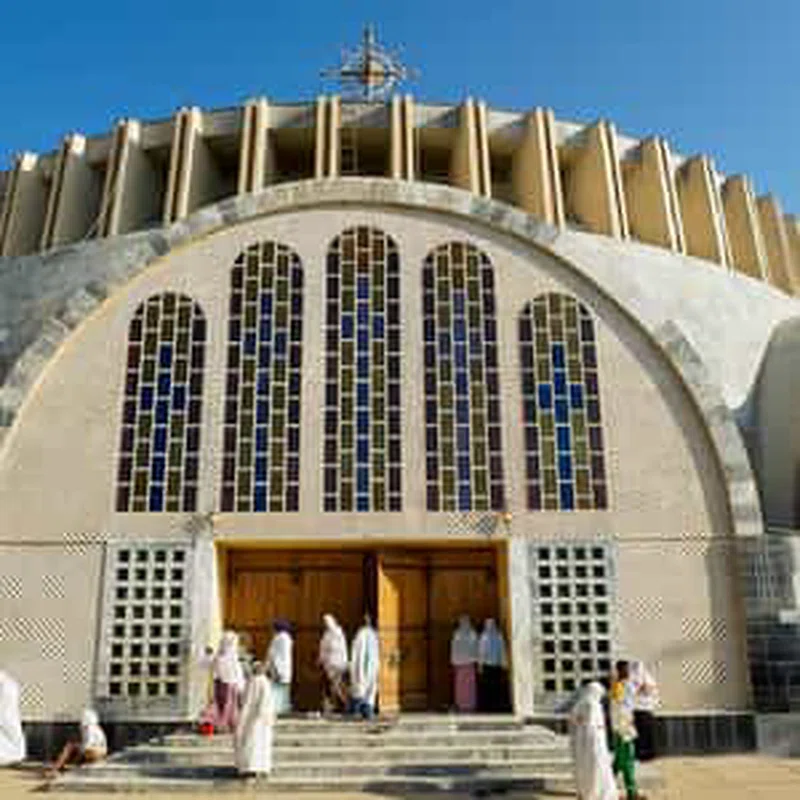
Axum, also spelled Aksum, is a historically significant town located in the Tigray Region of northern Ethiopia, nestled near the base of the Adwa mountains at an elevation of 2,131 meters (6,991 feet). With an estimated population of 94,515 as of 2022, it serves as a living testament to the ancient Aksumite Empire, which flourished from approximately 100 to 940 CE. The town's archaeological sites were designated a UNESCO World Heritage Site in 1980, recognizing their immense historic value.The town is most renowned for its monumental stelae, or obelisks, which are approximately 1,700 years old and symbolize Ethiopian national identity. The Northern Stelae Park is home to the majority of these impressive structures, including the colossal 33-meter-long Great Stele, which is believed to have fractured during its construction, and the 24-meter-tall King Ezana's Stele. A notable achievement was the return and reinstallation in 2008 of the Obelisk of Axum, which had been taken to Rome by Italian forces in 1937. These stelae are thought to mark ancient graves and feature intricate architectural carvings, often emulating multi-storey towers in a distinctive Aksumite style characterized by massive dressed granite blocks and external wooden frameworks.Axum holds profound religious importance, particularly for the Ethiopian Orthodox Tewahedo Church. It is the site of the old and new churches of Our Lady Mary of Zion. The 1665-built Old St. Mary's Cathedral is traditionally believed to have once housed the Ark of the Covenant. A smaller, highly sacred chapel, known as The Chapel of the Tablet, situated between the two cathedrals, is also believed to safeguard the Ark, with access strictly limited to a guardian monk. These churches are central pilgrimage sites and are considered among the holiest places in Ethiopia. Beyond these, Axum offers other historical attractions such as archaeological and ethnographic museums, the trilingual Ezana Stone, King Bazen's Tomb, the Queen of Sheba's Bath (a reservoir), and the ruins of the 4th-century Ta'akha Maryam and 6th-century Dungur palaces. Local legend also claims the Queen of Sheba lived in the town.The ancient Kingdom of Aksum was a major trading nation, deeply involved in the network between India and the Mediterranean, exporting ivory, gold, and emeralds, and importing silk and spices. Its strategic access to the Red Sea and the Upper Nile allowed its navy to profit from trade with various African, Arabian, and Indian states. The Aksumites developed their own alphabet, Ge'ez, and were among the first African polities to mint their own coins. Under Emperor Ezana in the 4th century, Aksum adopted Christianity, which significantly shaped its cultural and political ties, giving rise to the present-day Ethiopian Orthodox Tewahedo Church.






3-Day Axum, Yeha Temple and Surroundings
0.0 km away
Weather & Rainfall Patterns
Station: 139n384e · 30.6 km away · 1917m