
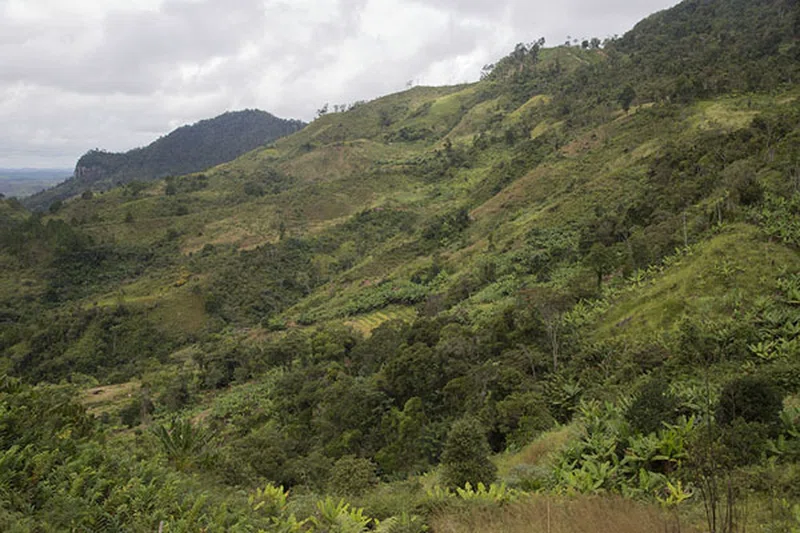
Ranomafana National Park
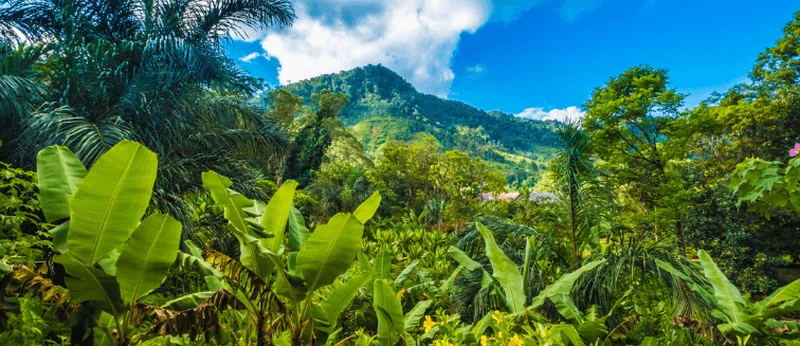
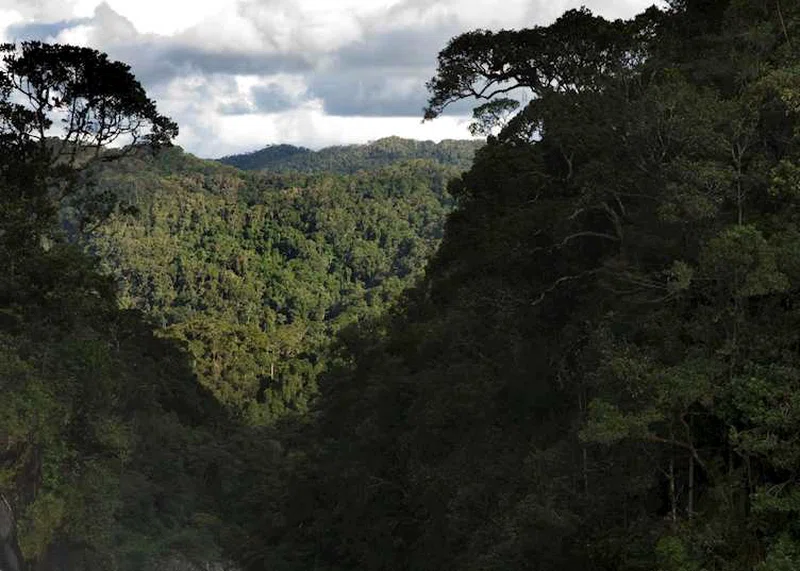
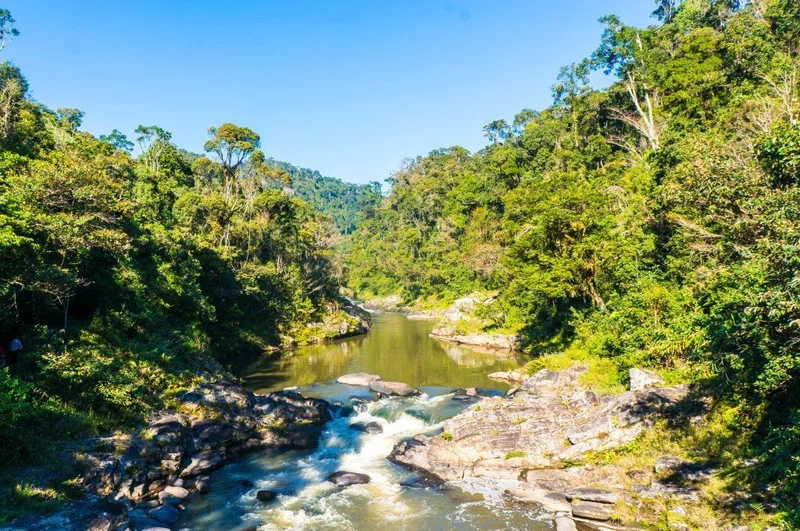
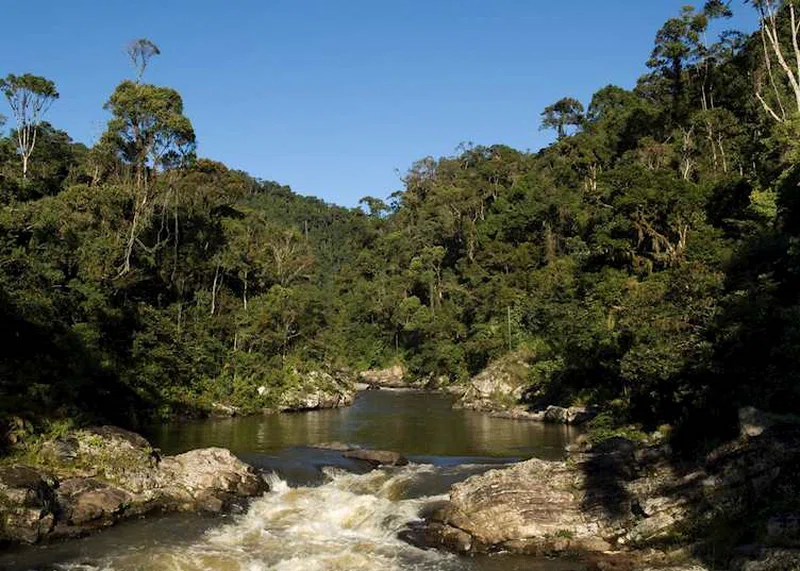
Ranomafana National Park, located in southeastern Madagascar within the Fianarantsoa Province, spans between the Haute Matsiatra and Vatovavy regions. Established on May 31, 1991, it covers an area of approximately 41,600 to 43,549 hectares (161 square miles) of tropical rainforest. The park's name, meaning "hot water" in Malagasy, refers to the thermal springs found in the nearby town of Ranomafana. The park is situated on the edge of Madagascar's High Plateau, characterized by its extremely mountainous terrain with elevations ranging from 500-600 meters to 1,400-1,500 meters. This varied altitude supports diverse forest types, including lowland rainforest, cloud forest, and high plateau forest, creating superb scenery with white-water rivers cascading down steep, rainforest-clad slopes, notably the Namorona River.The park is a UNESCO World Heritage site, recognized for its exceptional biodiversity and high degree of endemism. It was created primarily to protect the rare golden bamboo lemur and the greater bamboo lemur, which was rediscovered here in 1986 by primatologist Dr. Patricia Wright. Ranomafana is home to 12 species of lemurs, including the red-bellied lemur, Milne-Edwards' sifaka, and grey bamboo lemur. Beyond lemurs, the park boasts 118 bird species (30 of which are endemic), 90 species of butterflies, 112 species of frogs, and 22 species each of lizards and snakes. Nocturnal walks offer opportunities to spot the rufous mouse lemur and the Malagasy striped civet, while botanists can appreciate numerous orchids and tree ferns.Visitors to Ranomafana National Park can engage in a variety of activities, with a local guide being mandatory for entry. The park offers several hiking trails ranging from 10 to 20 kilometers in length, suitable for birdwatching, lemur spotting, and exploring waterfalls. Night walks are also available for observing nocturnal wildlife. For those seeking relaxation, the thermal baths in Ranomafana village provide a soothing experience after exploring the forest. Kayaking or canoeing can also be arranged. The park's establishment was a direct result of Dr. Patricia Wright's conservation efforts, leading to the founding of the Centre ValBio research station adjacent to the park, which continues to be a hub for biodiversity research, community health, and reforestation initiatives.
Quick Info
Own this place?
Claim it to manage photos, respond to visitors, and promote it to travelers.
Claim this listing →Safari Tours
10 tours departing from this area




Weather & Rainfall Patterns
Station: 214s475e · 22.7 km away · 612m