
Skeleton Coast National Park
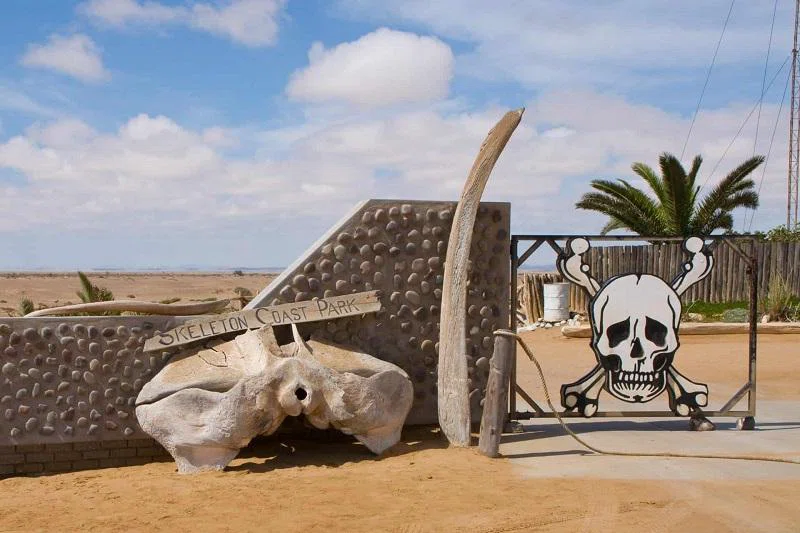
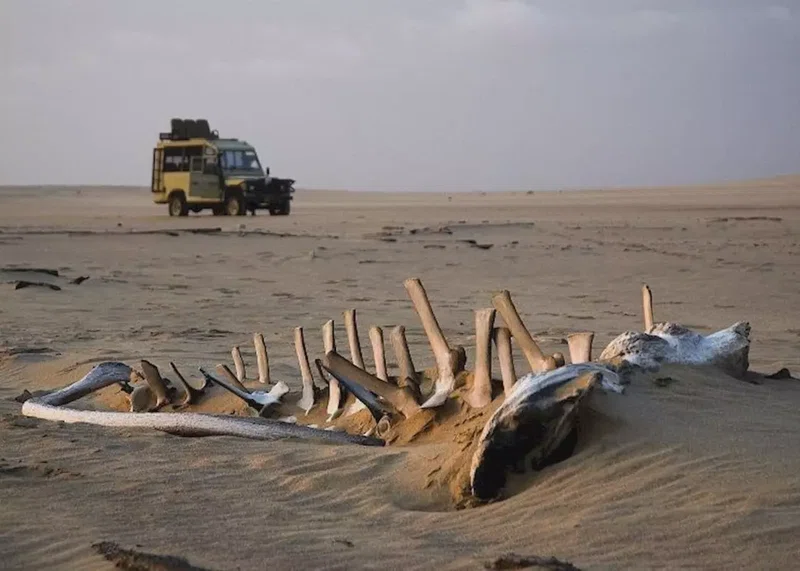
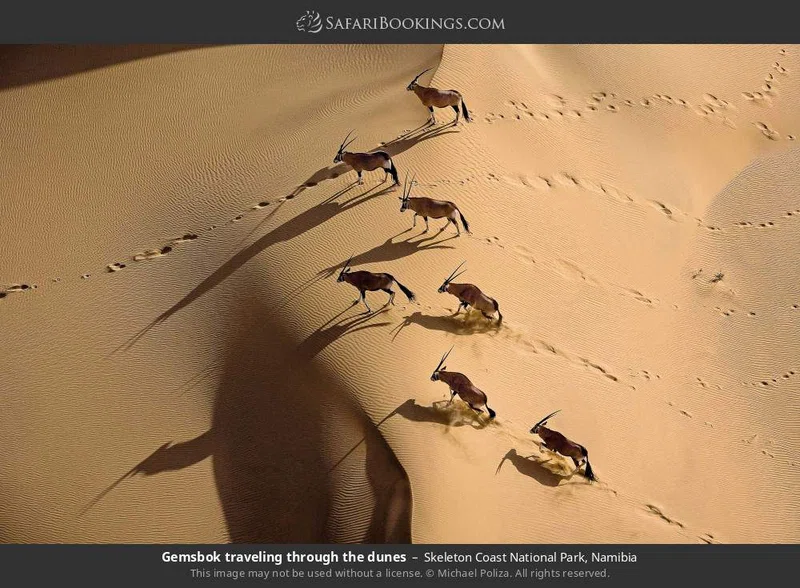
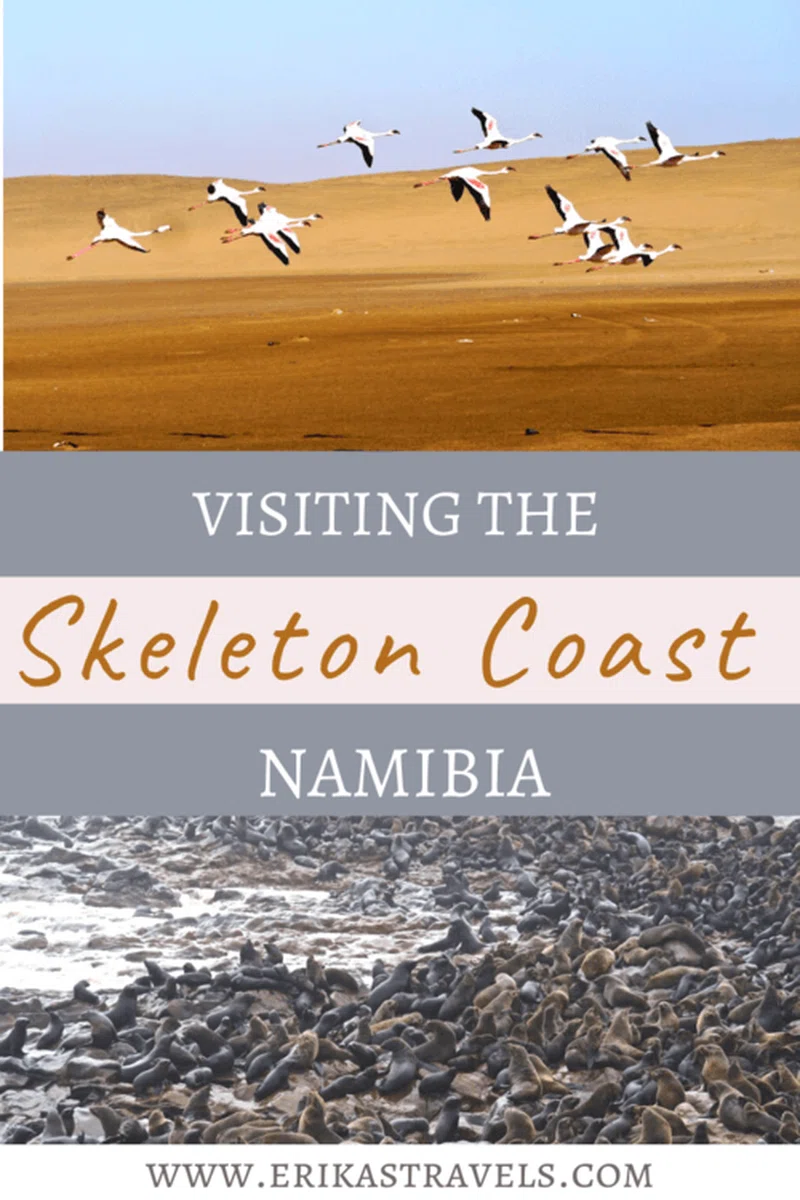
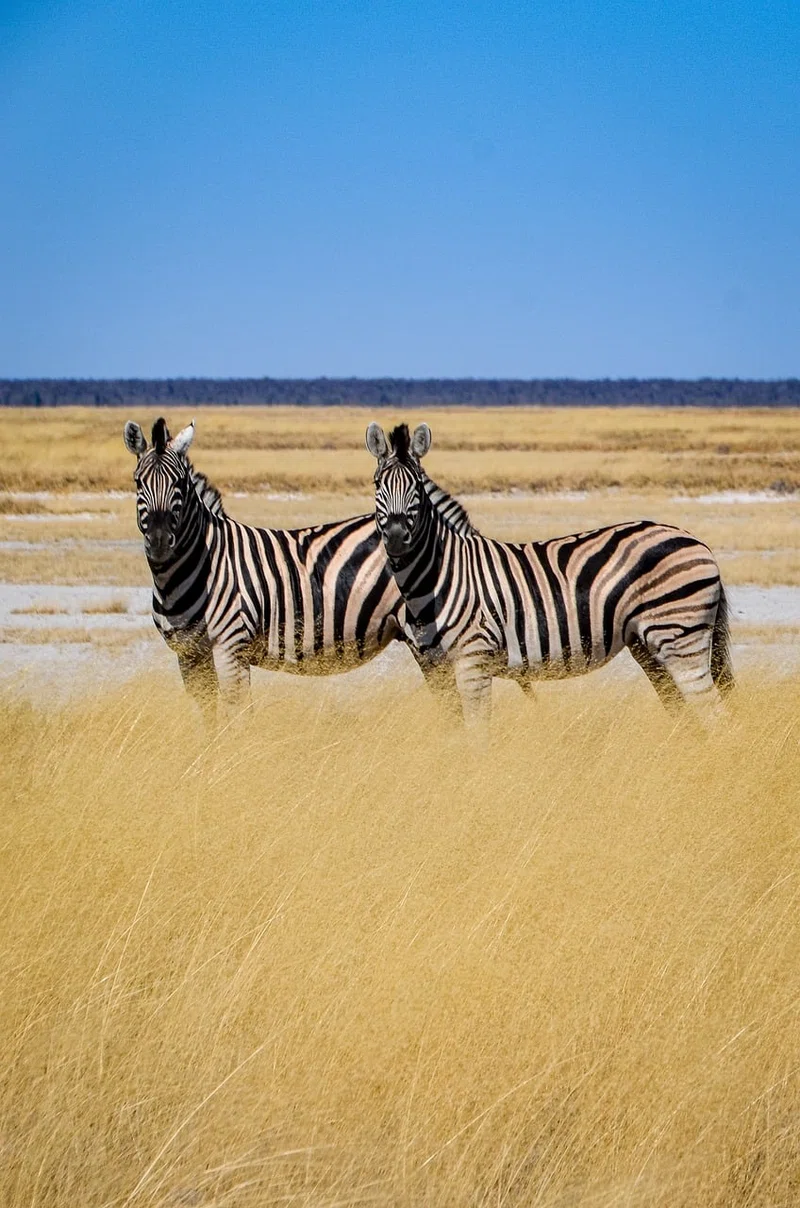
Skeleton Coast National Park, located in northwest Namibia, is a vast and unique wilderness stretching approximately 500 kilometers from the Ugab River in the south to the Kunene River in the north, extending about 40 kilometers inland. Proclaimed in 1971 and established in its current form in 1973, the park covers an area of 16,390 square kilometers. Its name, "Skeleton Coast," is derived from the countless whale and seal bones that once littered its shores, as well as the skeletal remains of numerous shipwrecks caused by the treacherous combination of dense coastal fogs, cold sea breezes from the Benguela Current, rough seas, and unpredictable currents. Portuguese sailors historically referred to this inhospitable region as "The Gates of Hell."The park's landscape is characterized by dramatic contrasts, featuring sweeping vistas of windswept sand dunes, particularly north of Terrace Bay, alongside rugged canyons carved from richly colored volcanic rock and extensive mountain ranges. The southern section primarily consists of gravel plains, which, along with the west-facing mountain slopes, support over a hundred recorded species of lichen. Key natural features include sandy and pebble beaches, ephemeral riverbeds, and unique geological formations like the clay castles of the Hoarusib River and the salt pans near Agate Mountain. The Kunene River mouth is recognized as a vital wetland.Despite its seemingly harsh environment, Skeleton Coast National Park is a sanctuary for a surprising array of desert-adapted wildlife. It is home to desert-dwelling elephants, rhinos, and lions, as well as cheetahs, crocodiles, springboks, Hartmann's zebras, oryx, Heaviside's dolphins, and green turtles. The nutrient-rich Atlantic waters attract a diverse birdlife, including Greater and Lesser Flamingos, Lappet-faced Vultures, Rüppell's Korhaans, and Gray's Larks. Large colonies of Cape Fur Seals thrive along the coast, notably at Cape Fria. Activities within the park include tourism photography, game viewing, and angling, for which a fishing license is required. Organized tours, scenic flights, and guided hiking trails, such as a three-day trek in the Ugab River, offer opportunities to explore this remote and fascinating ecosystem.
Quick Info
Own this place?
Claim it to manage photos, respond to visitors, and promote it to travelers.
Claim this listing →Safari Tours
4 tours departing from this area
 luxury14 days
 luxury7 days
luxury
7-Day Luxury Namibia Fly-in Safari
$17,820
 Crisscross Namibia Safaris Cc trading as CrissCross Namibia Safaris
 luxury14 days
luxury
14-Day Iconic Etosha, Coast and Namib Desert Safari
$5,467
Onaluru Safari and Tours (PTY) LTD trading as Onaluru Safari and Tours luxury10 days
luxury
10-Day Namibian Highlights Extended
$5,632
Premeleo Expedition Africa Cc trading as PEA Tours and Safaris

Weather & Rainfall Patterns
Station: 198s134e · 17.4 km away · 637m