
Mahango Game Reserve
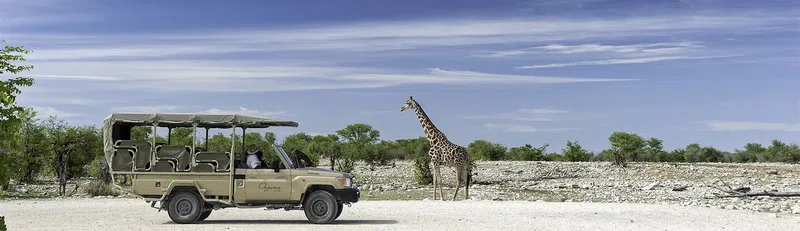
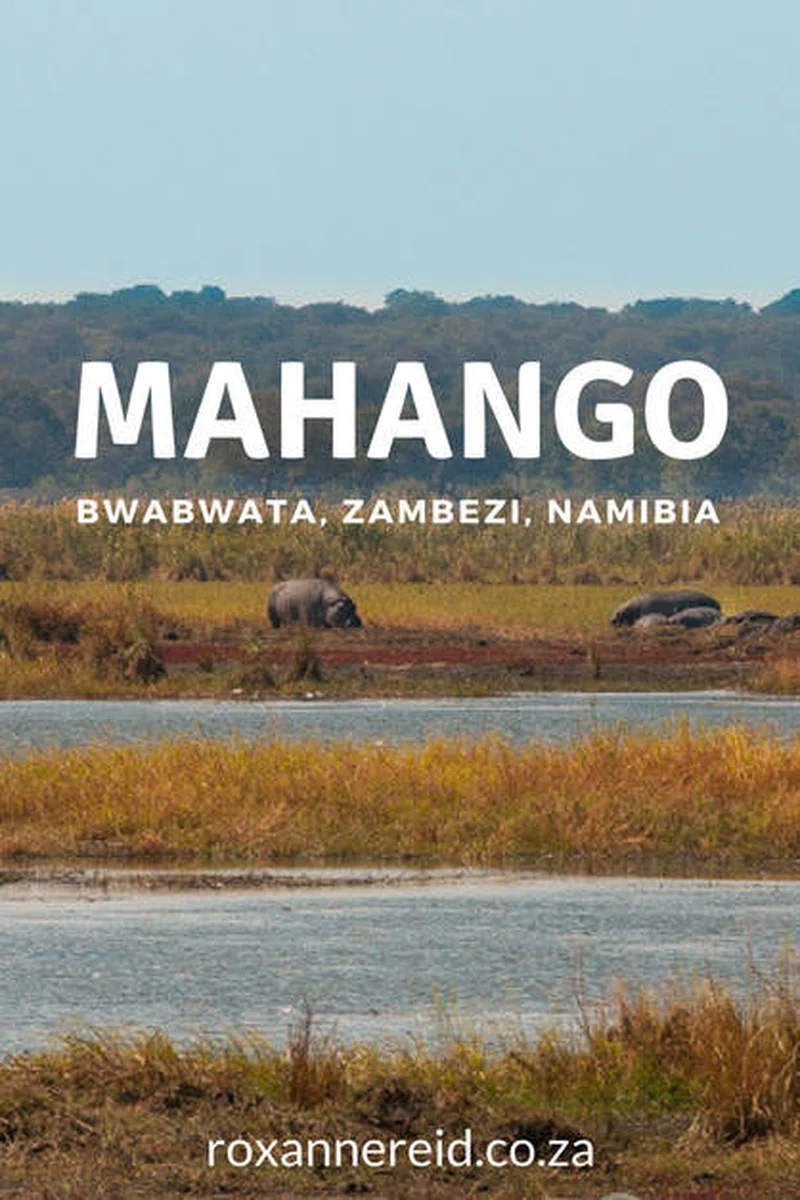
Mahango Game Park, also known as Mahango Game Reserve, is a protected area located within Namibia's Bwabwata National Park, near the country's eastern border with Botswana. Situated in the flood plains of the Okavango River basin, close to the Popa Falls, the park was established in 1986 and covers approximately 24,462 hectares (245 km²). It forms part of the larger Bwabwata National Park, gazetted in 2007, and is strategically positioned at the western end of the Caprivi Strip, where the Okavango River begins to split into canals that eventually form the Okavango Delta in Botswana. The park's topography ranges from 500 to 1,000 meters in elevation and is characterized by low vegetated sand dunes with ancient drainage lines known as omurambas, alongside the prominent Okavango River.The reserve boasts a diverse array of habitats, including extensive bushland, riparian forests, reed beds, swamps, and open flooded grasslands, which contribute to its rich flora of 869 reported species. Notably, the park is home to numerous very large Baobab trees. This varied environment supports a remarkable diversity of wildlife, with 99 mammal species recorded. Large game animals such as elephants, buffalo, giraffe, lion, leopard, and cheetah are present. Other significant species include sable, hippo, African wild dog, lechwe, sitatunga, roan antelope, common reedbuck, bushbuck, waterbuck, tsessebe, impala, kudu, and hyena. The river banks are also frequented by large crocodiles. Mahango is particularly important as one of the last refuges for wild dogs in Namibia, and it provides habitat for other threatened species like the African elephant, lechwe, and spotted-necked otter.Mahango Game Park is a paradise for birdwatchers, having been designated an Important Bird Area by BirdLife International, with over 300 bird species, representing about two-thirds of Namibia's total avifauna, including both wetland and tropical terrestrial species. Activities within the park primarily revolve around wildlife viewing. Game drives are popular, especially during the dry season from June to October when animals congregate around water sources, offering excellent sighting opportunities. A 4x4 vehicle is recommended for exploring the full circular route, though a shorter scenic loop is accessible by 2WD. Bird watching is best during the rainy months from November to March. Boat trips along the Okavango River are also available.Historically, the area served as a vital migration corridor for wildlife between Botswana and Angola, and it remains a crucial component of the Kavango-Zambezi Transfrontier Conservation Area. The region is also culturally significant, being home to indigenous communities such as the Kavango people, who have a deep connection to the Okavango River and its traditions. Visitors can learn about local customs and crafts in nearby traditional homesteads.
Quick Info
Own this place?
Claim it to manage photos, respond to visitors, and promote it to travelers.
Claim this listing →Safari Tours
6 tours departing from this area
 luxury15 days
 luxury13 days
luxury
13-Day North Perennial Rivers- Cultural & Wildlife Tour
$6,270
 Premeleo Expedition Africa Cc trading as PEA Tours and Safaris
 luxury11 days
luxury
11-Day Wildlife Highlights Tour
$7,150
Premeleo Expedition Africa Cc trading as PEA Tours and Safaris luxury10 days
luxury
10-Day Ultimate Namibian Northeast Adventure
$6,160
Premeleo Expedition Africa Cc trading as PEA Tours and Safaris luxury15 days
 luxury15 days



Weather & Rainfall Patterns
Station: 180s212e · 24.5 km away · 1031m