
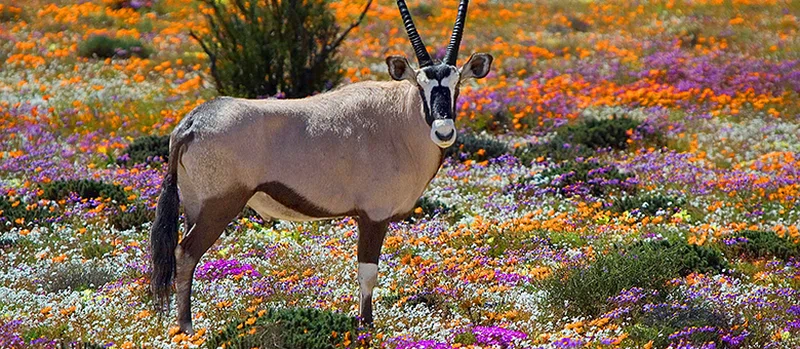
Springbok
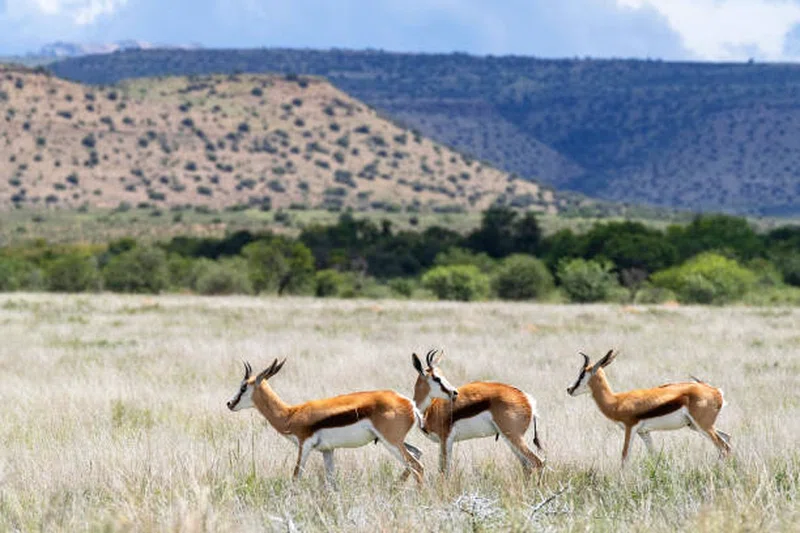
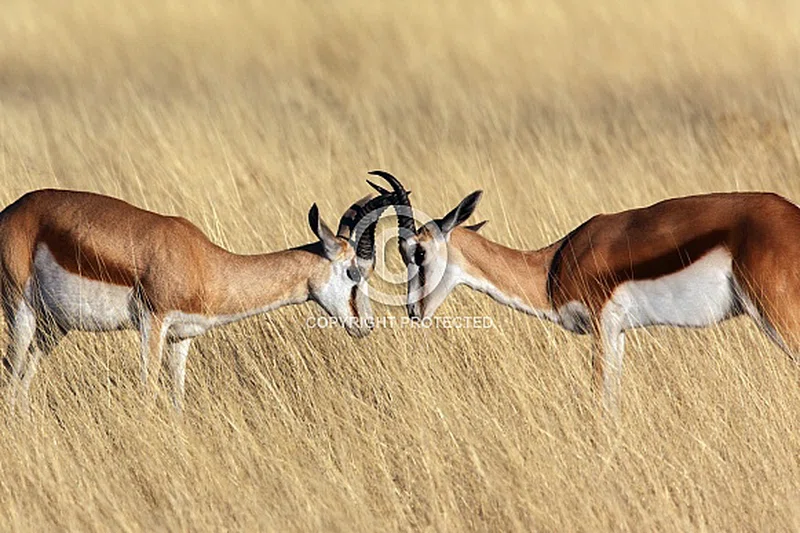
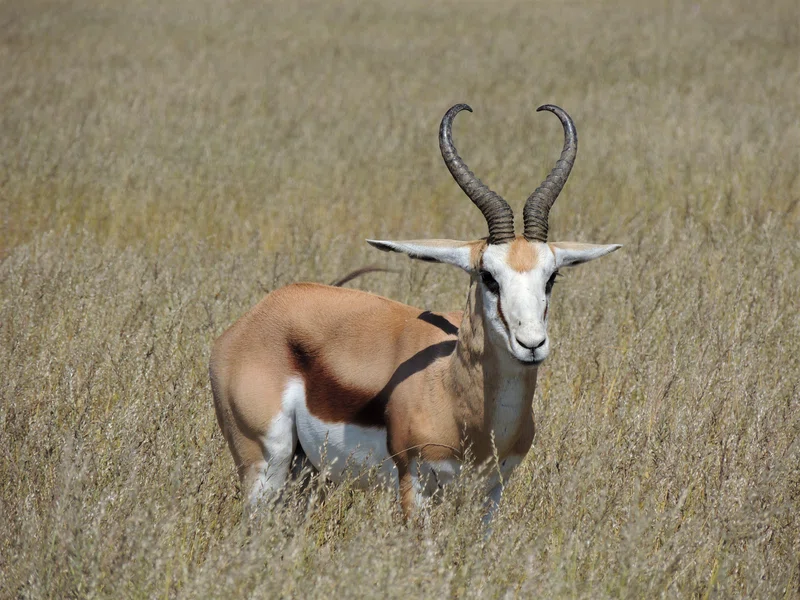
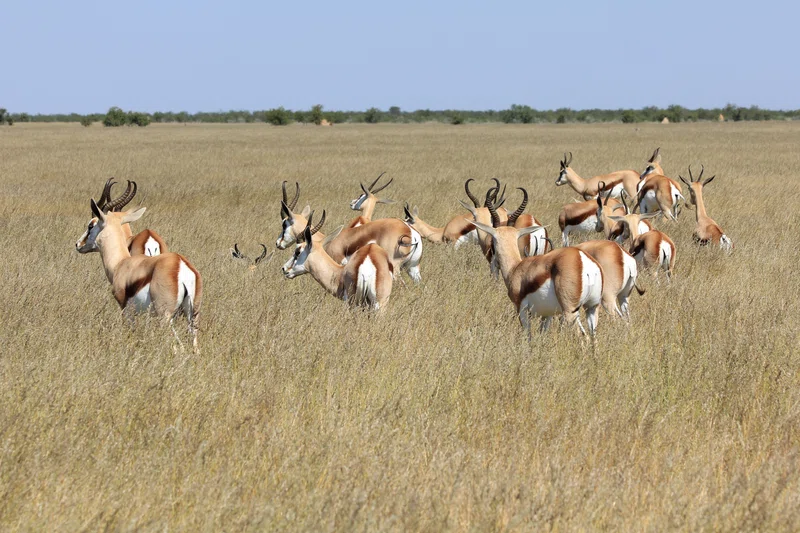
Springbok is the largest town in the Namaqualand area of South Africa's Northern Cape province, serving as the administrative capital of the region. It is strategically located on the N7 national route, connecting the Cape with Namibia, and at the western end of the N14, which links it to Upington and Pretoria. The town lies at an elevation of approximately 1,007 meters (3,304 feet) in a narrow valley nestled between the high granite domes of the Klein Koperberge (Small Copper Mountains). Its original name, Springbokfontein, was shortened in 1911. The town's name is believed to derive from the prominence of springbok antelope in the valley.Historically, Springbok's development was driven by copper mining operations, with the town serving as a major commercial and administrative center for the region's mines. Copper was first discovered here by Governor Simon van der Stel in 1685, and the "Blue Mine" is considered the origin of commercial mining in South Africa. Although mining activities have declined, Springbok remains an important administrative hub and a popular stopover for tourists traveling between South Africa and Namibia. The town's economy is now primarily supported by tourism, residual mining, commerce, and farming.Springbok is renowned for its spectacular floral displays, particularly during spring (August and September) when the arid landscape transforms into a vibrant carpet of wildflowers, especially in areas like the Goegap Nature Reserve. The Goegap Nature Reserve, located about 15km south-east of Springbok, features typical Namaqualand vegetation, granite outcrops, and the Hester Malan Wild Flower Garden, offering opportunities for hiking and mountain biking. The town itself is built around a central hill, known as "Klipkoppie" (stone hill), which was used as a fort by the Boers during the Second Boer War due to its strategic vantage point. Today, it showcases Namaqualand's unique flora, including the Quiver tree, and holds remains of stone walls from the fort. Other attractions include the Klipkerk (Stone Church) built in 1921 and war graves from the Anglo-Boer War.


Weather & Rainfall Patterns
Station: 295s178e · 21.3 km away · 935m