

Mekele
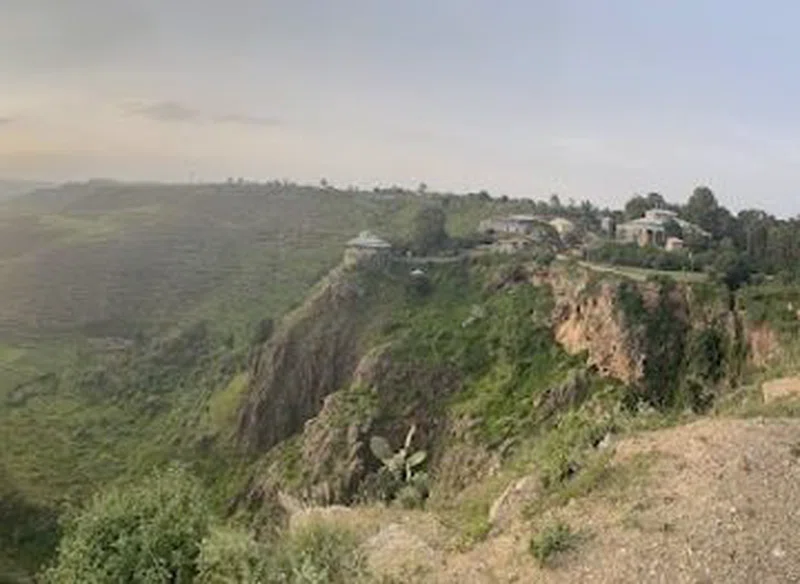
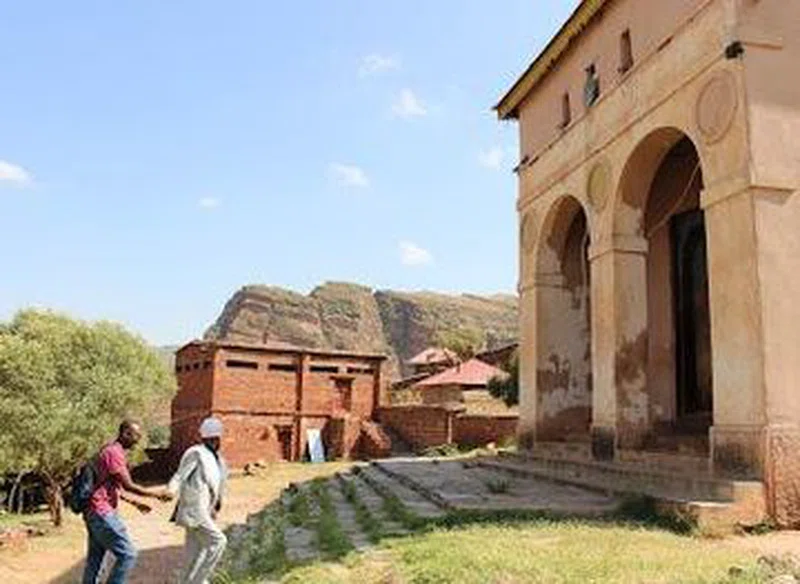
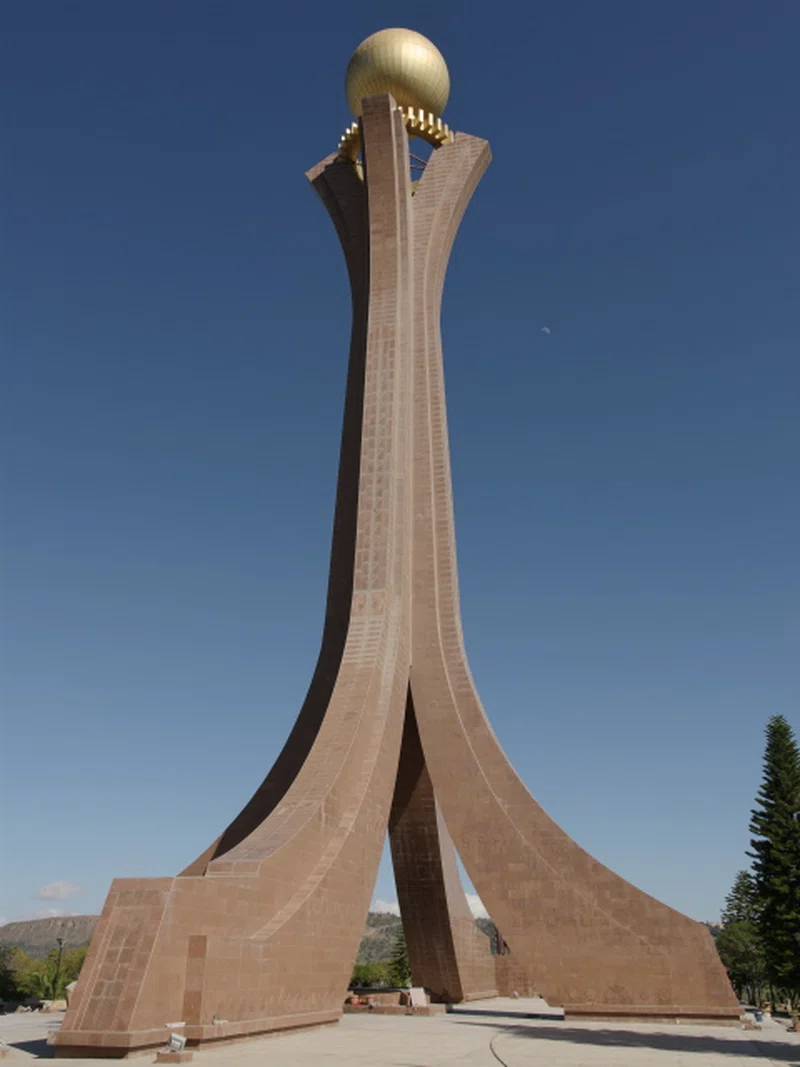
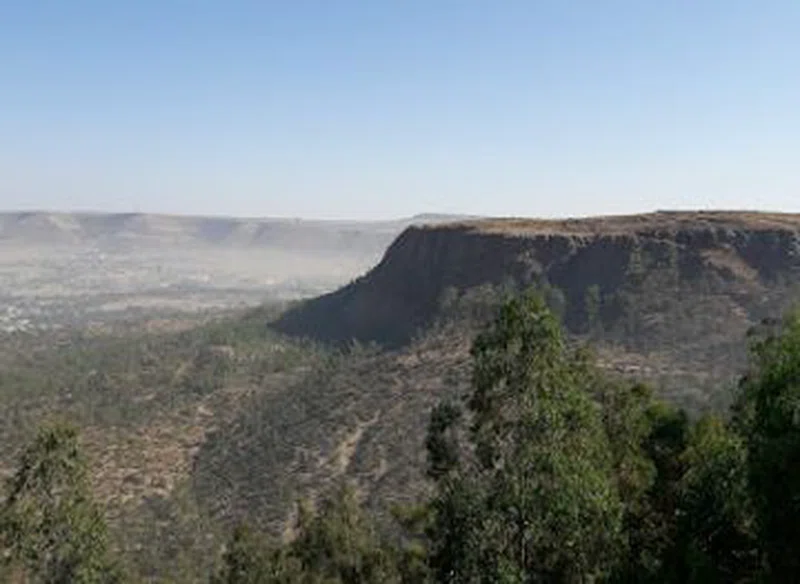
Mekelle, also known as Mek'ele, is the capital city of the Tigray Region in northern Ethiopia, situated approximately 780 kilometers (480 miles) north of the national capital, Addis Ababa. The city lies on a Jurassic limestone plateau at an elevation of 2,254 meters (7,395 feet) above sea level, within a semi-arid region. Its landscape is characterized by a tapestry of sedimentary rock formations, including layered ridges, steep cliffs, and flat-topped mountains, with sparse tree cover outside of eucalyptus groves on eastern hills and street-lining exotic species. Mekelle has experienced significant growth, evolving from a 13th-century hamlet to a major urban center with an estimated population of around 545,000 in 2023, making it Ethiopia's second-largest city.Historically, Mekelle gained prominence in the 19th century when Emperor Yohannes IV established it as the political capital of his expanding state. He commissioned the construction of the Grand Palace (1882-84), the large Edaga Senuy (Monday Market), and the Debre Gennet Medhane Alem church, all of which remain significant landmarks. The city's strategic location along crucial trade routes, including those for salt from the Danakil Plain, was vital to its development. During the Italian occupation from 1935 to 1941, Mekelle underwent substantial modernization, including the development of an airport, roads, and essential infrastructure.Today, Mekelle serves as the economic, cultural, and political hub of northern Ethiopia. Key landmarks include the Tigray Martyrs Memorial Monument, a 51-meter-tall structure honoring over 60,000 TPLF fighters, and the Emperor Yohannes IV Palace Museum, which houses royal artifacts. The city is also a significant educational center, home to Mekelle University and various other colleges. Its economy is supported by manufacturing, including steel fabrication and cement production, and a growing services sector, particularly in tourism and conferences.






7-Day Danakil Depression & Geraltha Clusters
0.0 km away
5-Day Visiting Tigray Churches & Abune Yemata Guh
0.0 km away
Weather & Rainfall Patterns
Station: 133n394e · 3.8 km away · 2294m