
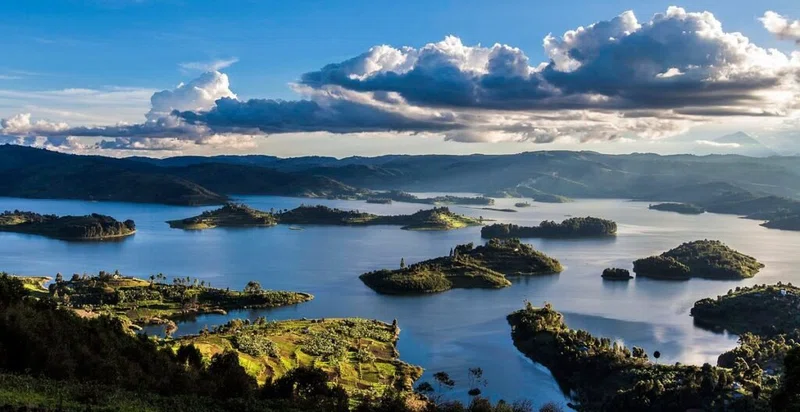
Kabale Region
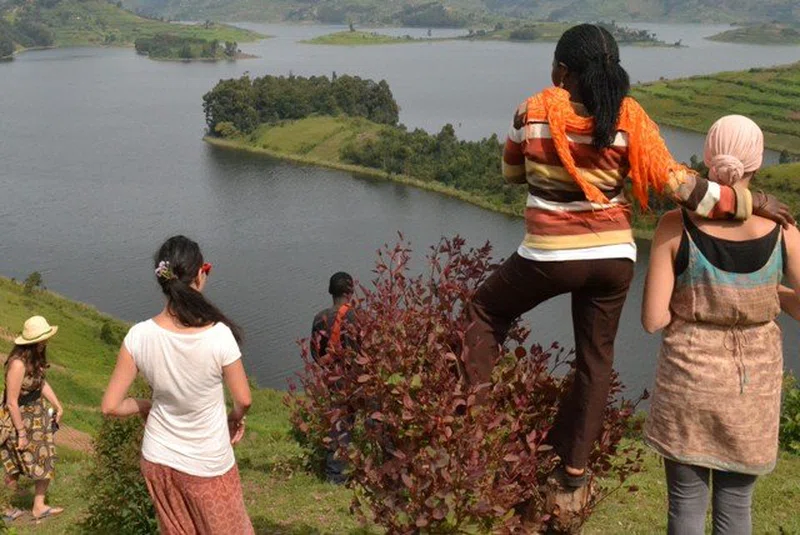
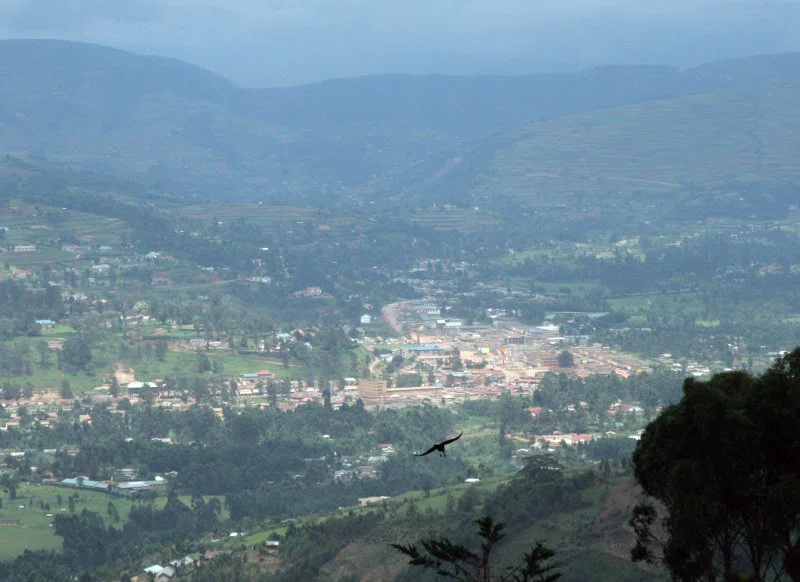
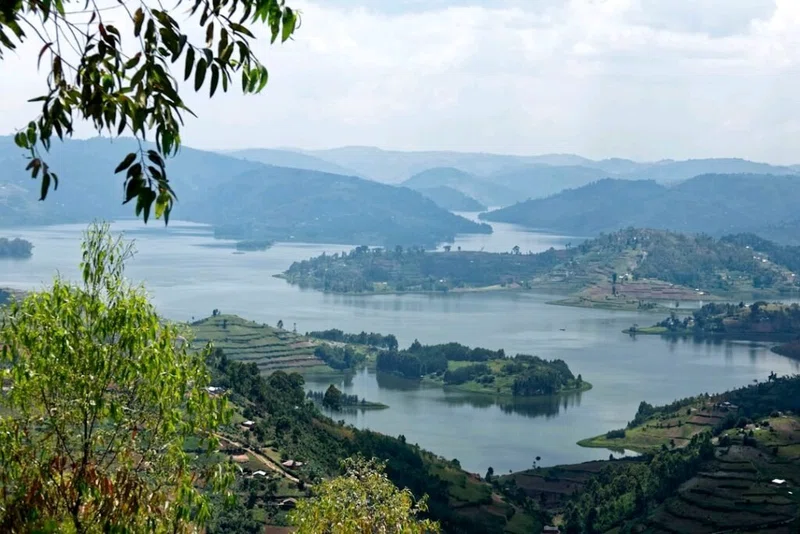
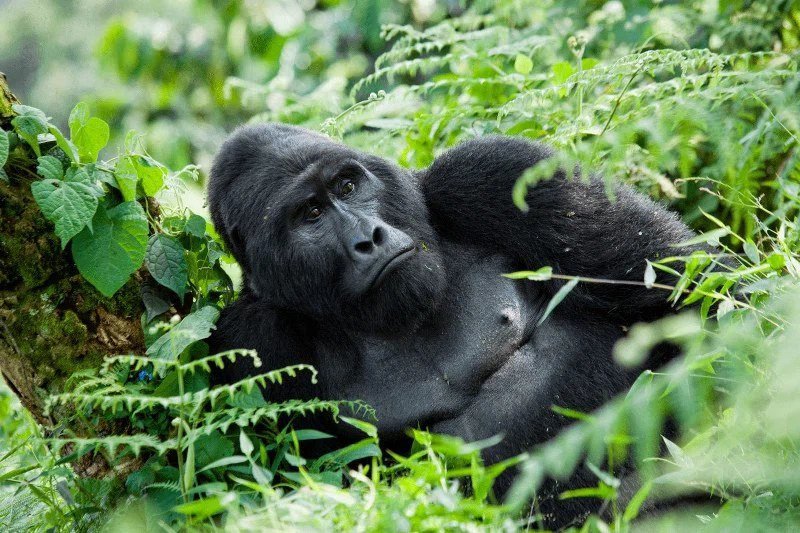
Kabale City, located in the Western Region of Uganda, serves as the main urban center and district headquarters of Kabale District, situated on Makanga hills. The city lies approximately 2,000 meters (6,600 ft) above sea level and is about 410 kilometers southwest of Kampala, Uganda's capital. With a population estimated at 64,695 in 2024, Kabale is sometimes nicknamed "Kastone," meaning "a small stone" in the local Rukiga language. The city hosts important administrative offices, including the Kabale City Council, and is home to institutions like Kabale Regional Referral Hospital, Kabale Currency Centre, and Kabale University.The surrounding Kabale District, often called the "Switzerland of Africa" due to its stunning landscapes, is characterized by mountainous terrain and terraced hillsides, offering a cool climate. It borders Rukungiri, Rukiga, Rubanda, Kanungu districts, and Rwanda. Historically, the region was settled by the Bakiga people, whose culture profoundly influences the area, reflected in their music, dance, and the traditional "Empaako" naming ceremony. Cultural sites such as the Bakiga Museum and historical caves provide insights into the local heritage.Kabale City serves as a convenient base for exploring the wider Kigezi region's diverse attractions. These include Lake Bunyonyi, located about 8 kilometers outside the town, where visitors can enjoy canoeing, birding, cultural encounters, swimming, and hiking. Other notable sites are Kisiizi Falls and the Great Lakes Museum. Furthermore, the city provides access to significant wildlife destinations like Bwindi Impenetrable National Park, a UNESCO World Heritage site renowned for mountain gorilla trekking, and Mgahinga Gorilla National Park, which offers gorilla and golden monkey trekking opportunities.The local economy is largely driven by agriculture, with subsistence farming being a primary activity, complemented by small-scale trade and tourism. The city's infrastructure includes a network of roads connecting it to other parts of Uganda and the Rwandan border, and it has seen improvements in telecommunication, water, and electricity supply.





1-Day Volunteering at Amatsiko School
0.0 km away
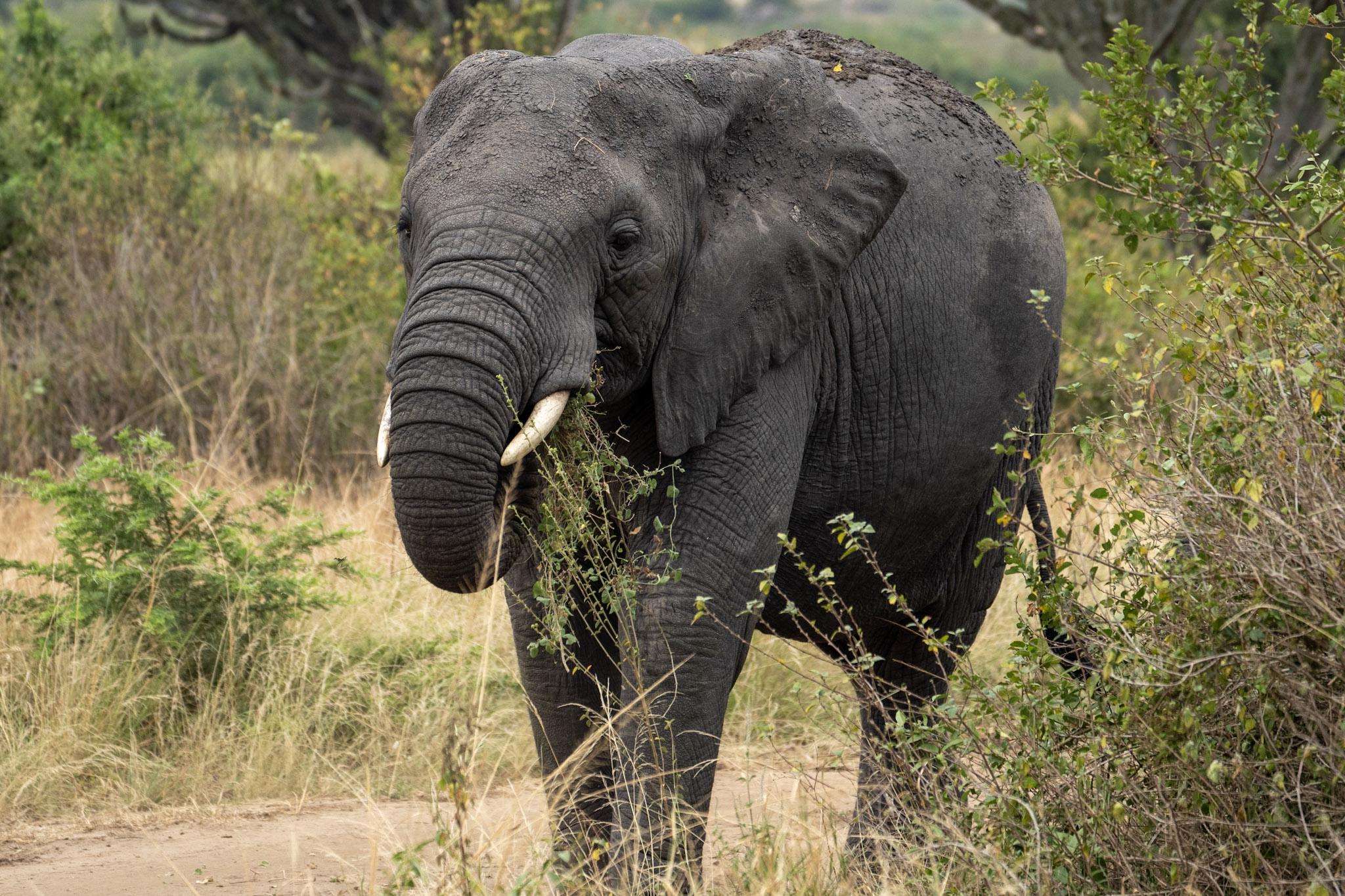
7-Day Luxury Uganda Primates Flying Safari: Gorillas & Chimpanzees
0.0 km away
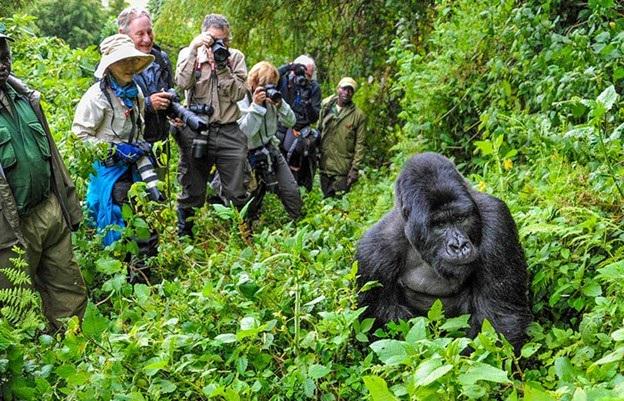
5-Day Uganda Gorilla Trekking Holiday
0.0 km away
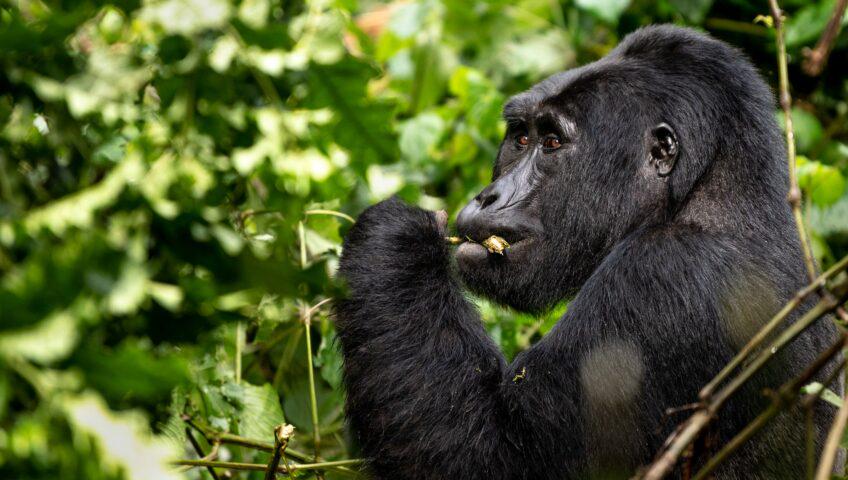
4 Days Double Gorilla Trekking Uganda
0.0 km away
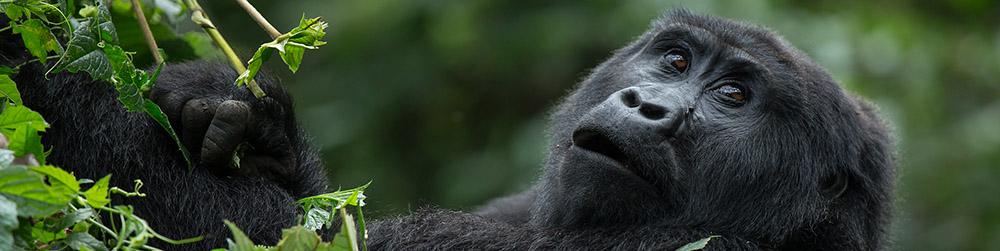
3 Days Bwindi Gorilla Tour
0.0 km away
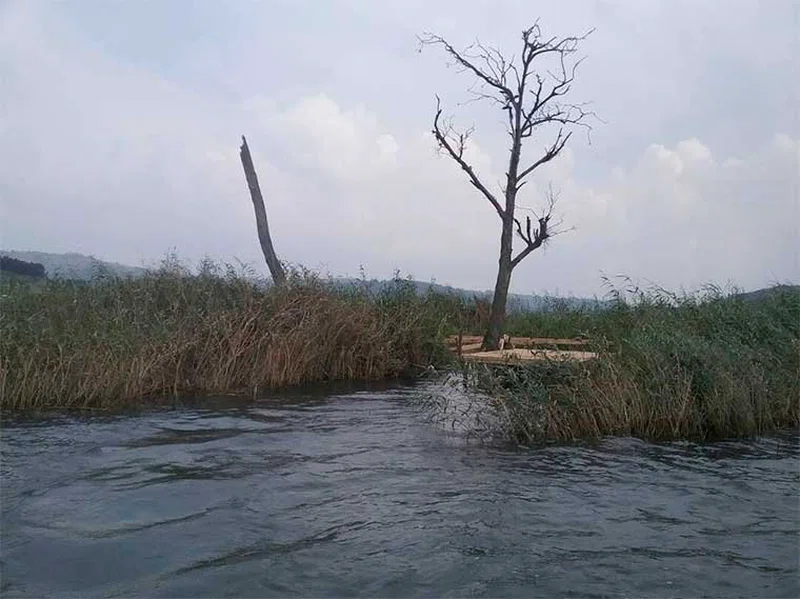
Punishment Island
0.0 km away
Weather & Rainfall Patterns
Station: 11s300e · 28.7 km away · 2142m