
Andringitra National Park
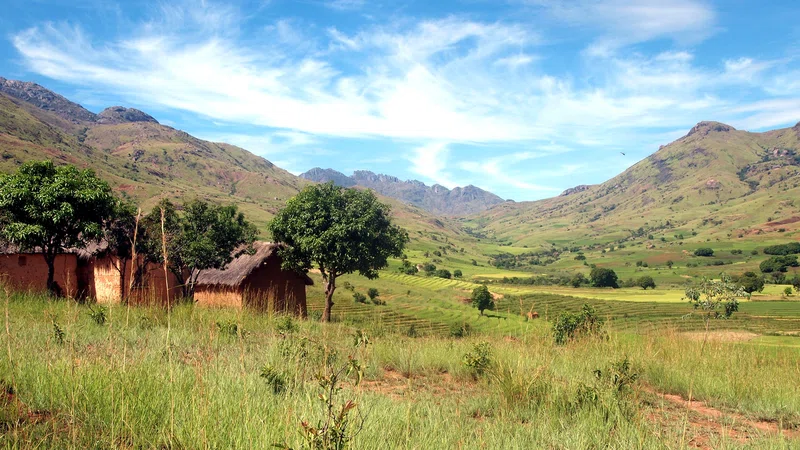
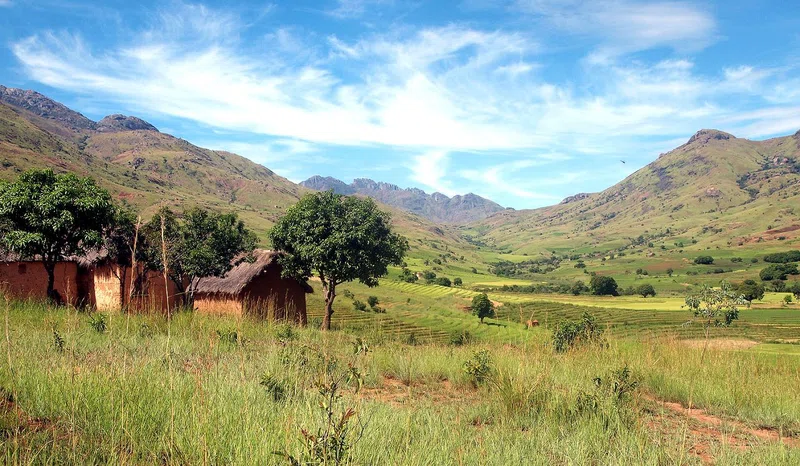
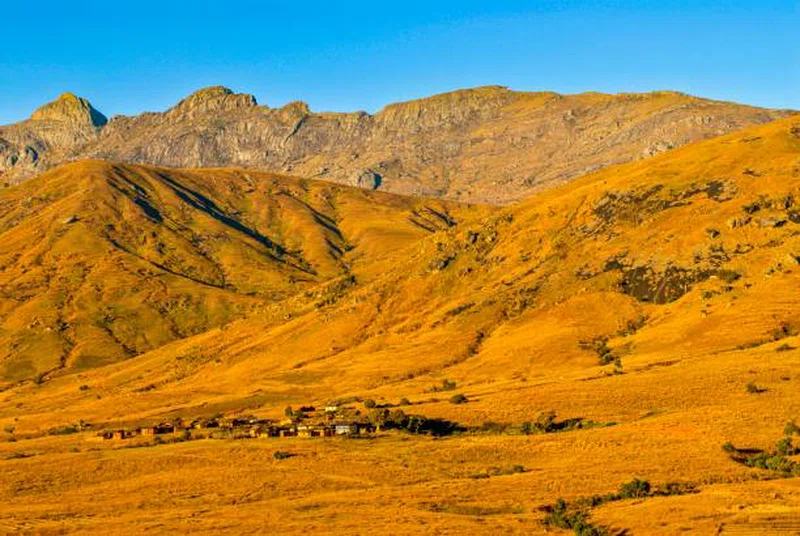
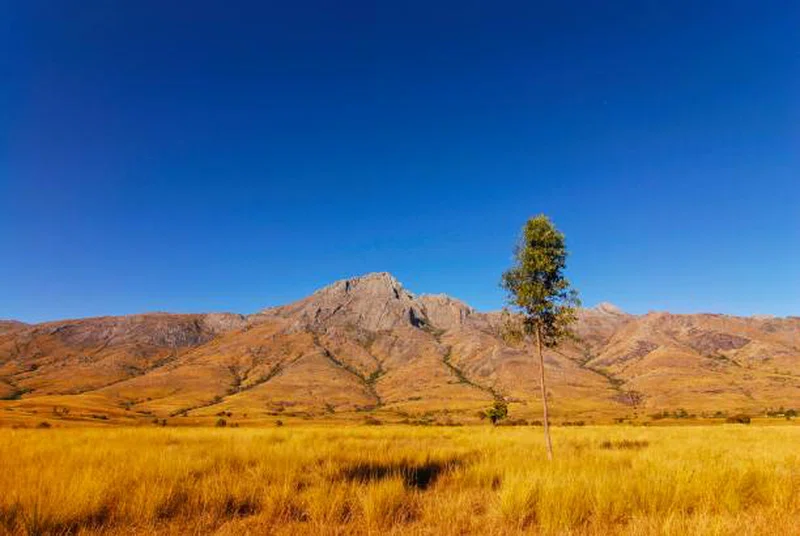
Andringitra National Park, located in the Haute Matsiatra and Ihorombe regions of Madagascar, approximately 47 kilometers south of Ambalavao, is a vast protected area spanning 31,160 hectares. Established as a Strict Nature Reserve in 1927 and officially designated a National Park in 1998, it was later inscribed as a UNESCO World Heritage Site in 2007 as part of the Rainforests of the Atsinanana. The park is characterized by its dramatic granite massif, featuring impressive domes, steep cliffs, and deep valleys, with altitudes ranging from 700 meters to 2,658 meters at its summit, Pic Boby (Imarivolanitra), which is the second highest peak in Madagascar. The park's topography creates distinct microclimates, resulting in a mosaic of landscapes from dense rainforests on the humid eastern flank to high-altitude grasslands and savannahs on the drier western side. Notably, it hosts Madagascar's only known glacial moraine at about 1,900 meters on the eastern escarpment, and the unique altimontane prairies of the Andohariana plateau at 2,000 meters, comparable to the paramos of the Andes.The park is a biodiversity hotspot, home to over 1,000 plant species, with more than 100 being endemic, including unique orchids like Disa andringitrana and succulents such as Aloe andringitrensis. Nearly half of the park is covered by natural forests, ranging from low-altitude tropical rainforests to mountain sclerophyllous forests. Andringitra boasts at least 10 species of lemurs, all endemic to Madagascar, including the Milne-Edwards' sifaka, golden bamboo lemur, and a population of ring-tailed lemurs with unusually thick fur, adapted to the colder high-altitude environment. Other wildlife includes over 100 bird species, 55 frog species, and various reptiles like chameleons and geckos.Andringitra offers a range of activities for visitors, including multi-day treks to Pic Boby, shorter hikes like the Asaramanitra and Diavolana tours, wildlife observation, and guided tours. The Tsaranoro Valley, on the western side of the massif, is internationally renowned for rock climbing on its large vertical granite faces. Culturally, the park is significant as it is inhabited by three distinct ethnic groups—the Bara, Bara Haronga, and Betsileo—each with unique traditions adapted to their local habitats. The Betsileo, in particular, have created beautiful terraced rice paddies in the northern foothills. The region also features sacred sites, mystic lakes, and waterfalls like Riambavy and Riandahy, which are integral to local folklore and spiritual beliefs.
Quick Info
Own this place?
Claim it to manage photos, respond to visitors, and promote it to travelers.
Claim this listing →Safari Tours
3 tours departing from this area


Weather & Rainfall Patterns
Station: 220s469e · 25 km away · 1665m