

Pemba town
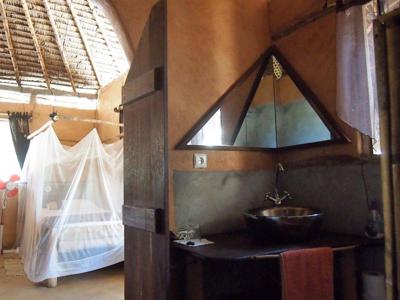
Pemba is a significant port city and the capital of the Cabo Delgado Province in northern Mozambique, situated on a verdant peninsula that extends into Pemba Bay, recognized as the world's third-largest natural bay. Located northeast of Maputo, the city had a population of 201,846 according to the 2017 census, with its municipality covering an area of 100 km². The urban landscape is built over rolling hills, characterized by a mix of Portuguese colonial architecture and traditional wooden huts nestled among numerous thick baobab trees. The climate is tropical savanna, experiencing a hot, rainy season from December to April and a drier, slightly cooler season from May to November.The city is a prime destination for water sports and diving enthusiasts, owing to the extensive coral reef located close to its shores. The bay's warm, calm waters teem with diverse marine life, offering opportunities for snorkeling and scuba diving among moray eels, turtles, stingrays, and various corals. Larger oceanic species such as humpback whales (migrating from June to November), dolphins, manta rays, and occasionally the elusive dugong are also sighted. Pemba is a renowned spot for fishing, with species like sailfish, barracuda, kingfish, and marlin found in its rich waters, including the world-famous Lazarus Banks. Beyond the coast, activities include jungle hiking in the Ngezi forest and bird watching at Nkwita Lake, which hosts a prolific bird life including raptors, storks, and the rare Dickinson's Kestrel. Traditional dhow safaris offer a unique way to explore the bay and surrounding areas.Historically, Pemba was founded by the Niassa Company in 1904 (or 1898) as Porto Amelia, named after a Portuguese queen, and was renamed Pemba in 1975 following the end of Portuguese rule. The region's history is a rich tapestry of African, Arab, and Portuguese influences from centuries of sailing, trading, and settling. The local population is primarily composed of Swahili, Makondes, Macuas, and Mwanis, with Kimwani and Makhuwa being local languages, though Portuguese is widely spoken. Cultural highlights include the traditional fishing village of Paquitequete, where ancient dhows are still built and repaired, and the Maconde people's skillful arts and crafts, particularly their expressive helmet masks. Historical sites like the Slave Trade Fort at Ponta Romero Lighthouse and the ancient Nacole Baobab tree, which served as a hiding place during wartime, add to the city's unique heritage.


Weather & Rainfall Patterns
Station: 130s403e · 3.5 km away · 48m