
Ankarana Special Reserve
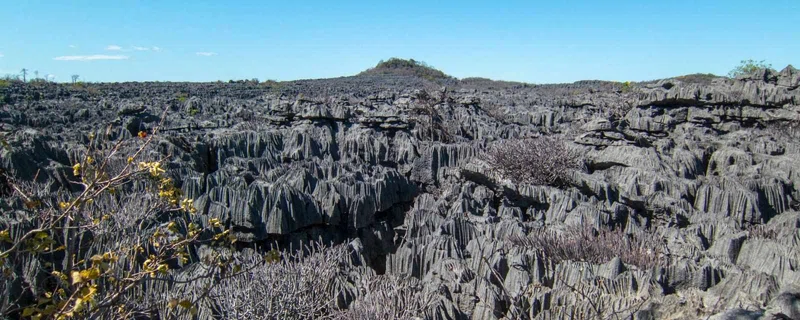
Ankarana Special Reserve, established on February 20, 1956, is a significant protected area located in northern Madagascar, within the Diana Region and Ambilobe district. Situated approximately 100 kilometers south of Antsiranana (Diego Suarez) and 29 kilometers northeast of Ambilobe, the reserve spans an area of 18,225 hectares (182.25 km²). It is renowned for its dramatic karst topography, characterized by a 150-million-year-old Jurassic limestone plateau. This ancient landscape has been sculpted by millions of years of erosion, resulting in the iconic "Tsingy" formations – razor-sharp limestone pinnacles, jagged ridges, and deep, narrow canyons. A prominent feature is the "Wall of Ankarana," a sheer cliff stretching 25 kilometers from north to south and rising up to 280 meters. The reserve also boasts an extensive network of underground rivers and caves, with over 100 kilometers of passages mapped, making it home to some of the longest cave systems in Madagascar and potentially Africa. Notable caves include the Grotte des Chauves-Souris (Bat Cave) and La Grotte d'Andrafiabe. The diverse microhabitats within Ankarana include dry deciduous forests, moist semi-deciduous forests found in sinkholes and fractures, rupicolous forests, savannas, and lakes.The reserve is a hotspot for biodiversity, harboring a rich array of endemic species. It is home to 10 species of lemurs, including the crowned lemur, Sanford's brown lemur, northern sportive lemur, the nocturnal aye-aye, and the critically endangered Perrier's sifaka. The subterranean world supports 17 species of bats, such as Eidolon dupreanum. Reptile diversity is high with 50 species, 8 of which are endemic, including the panther chameleon, giant day gecko, and leaf-tailed gecko. Among the 15 amphibian species, two are endemic: Tsingymantis antitra and Stumpffia be. Birdwatchers can spot 113 species, including the critically endangered Madagascar eagle and the endemic Mesitornis variegata. Five species of carnivores, including the vulnerable fossa and Malagasy civet, also inhabit the reserve. The flora is equally impressive, with 670 plant species, 505 of which are endemic to Madagascar, and 39 species found exclusively in Ankarana, such as the critically endangered baobab Adansonia perrieri.Ankarana offers various activities for visitors, primarily focused on exploring its unique natural features. Hiking trails, boardwalks, bridges, and viewing platforms allow access to the dramatic tsingy formations. Guided day walks are popular, often including visits to the Bat Cave and the more challenging Moyen Circuit, which features suspension bridges. Opportunities for lemur spotting and bird watching are abundant. For those wishing to stay within the reserve's vicinity, camping sites are available. The reserve holds significant cultural importance for the local Antakarana people, who consider it a sacred site. Historically, several caves served as refuges and burial grounds for Antakarana royalty during conflicts with the Merina kingdom in the 19th century. Consequently, certain "fady" (taboos) are observed, such as prohibitions on consuming pork or wild boar meat, voanjobory, engaging in sexual acts, and women in menstruation entering the caves. Access to some caves is also restricted to descendants of the Merina ethnic group due to past tensions. In recognition of its outstanding universal value, Ankarana Special Reserve was inscribed on the UNESCO World Heritage list in September 2023 as part of the "Dry Forests of Andrefana."
Quick Info
Own this place?
Claim it to manage photos, respond to visitors, and promote it to travelers.
Claim this listing →Safari Tours
10 tours departing from this area

luxury
9-Day Islands, Beaches and Wilderness
$3,194


Weather & Rainfall Patterns
Station: 130s488e · 18.1 km away · -9999m