
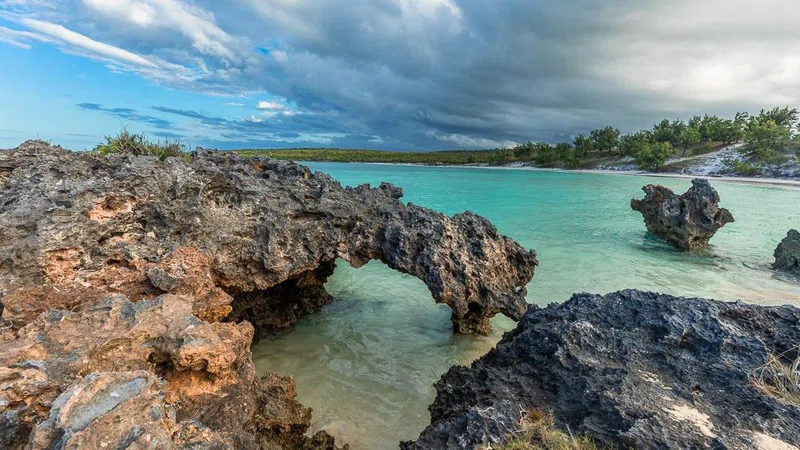
Iharana Tsingy
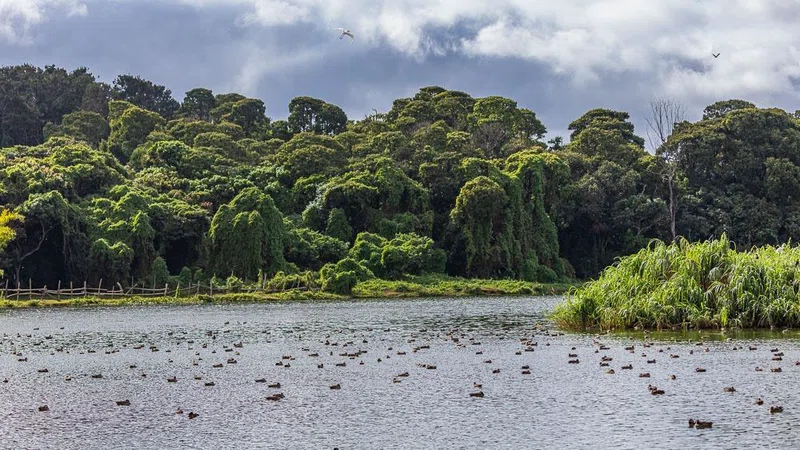
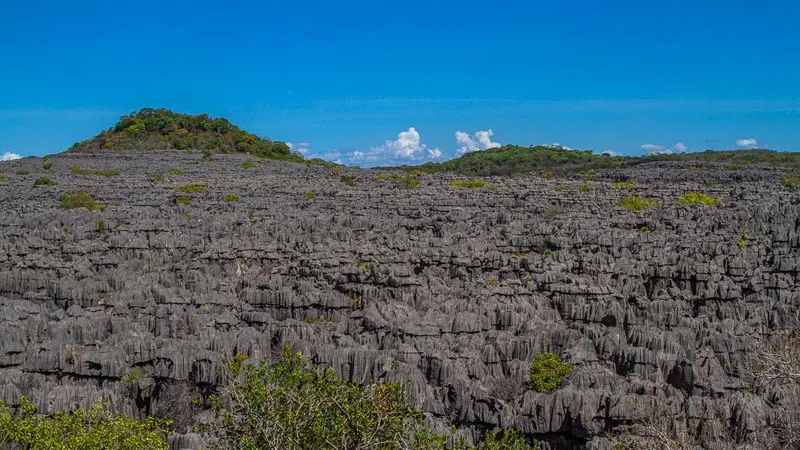
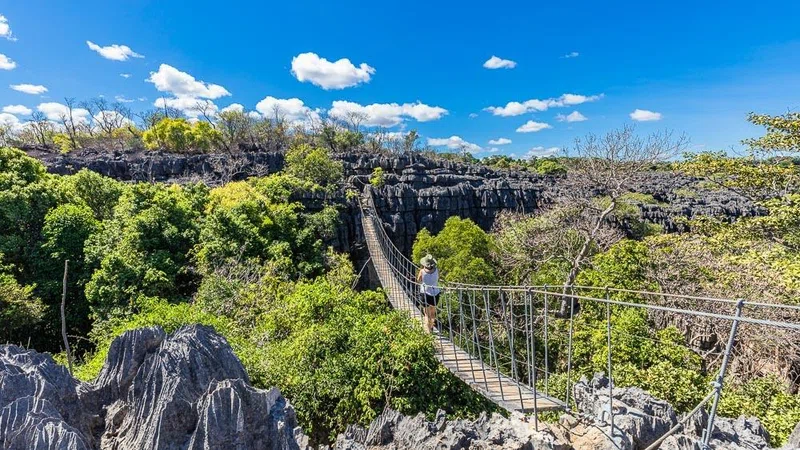
Iharana, also known as Vohemar, is a coastal town situated on a peninsula in northern Madagascar, within the Sava region of the Antsiranana province. This historic town, located in a picturesque bay, is home to an estimated 15,000 residents, with the surrounding area encompassing Betsimisaraka, Sakalava, and Tsimihety tribes, bringing the total population to about 30,000. The name "Vohemar" originates from "Vohitra Maro," meaning "where there are many villages."The town's history is rich, with its population having ancient Islamic origins, possibly making it one of the first parts of Madagascar settled by Arabs. Evidence of this heritage can be found in various Muslim graves dating from the 17th and 18th centuries. Vohemar was once destroyed by the Portuguese. Today, it thrives as a bustling trading hub, particularly known for its vanilla. The local economy is sustained by farming, livestock, and fishing, with key crops including cassava, vanilla, maize, rice, and peanuts. The town is equipped with essential infrastructure, including a hospital, an important maritime harbor, and a domestic airport, though it does not receive regular flights.A notable natural feature near Iharana (Vohemar) is the Green Lake, or Andranotsara Lake, located approximately 7 kilometers to the south. This lake is steeped in local folklore, with legends suggesting its green waters are a result of a former village whose inhabitants were transformed into crocodiles. While the name "Iharana Tsingy" might suggest the presence of Tsingy limestone formations, the browsed information for Vohemar and its immediate surroundings does not explicitly describe such geological features. The term "Tsingy" is typically associated with other regions of Madagascar, such as Ankarana National Park.

Weather & Rainfall Patterns
Station: 133s500e · 14.4 km away · -9999m