
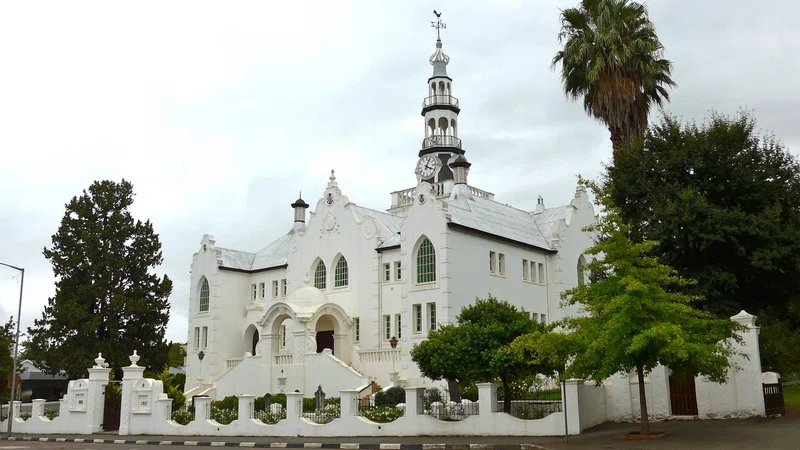
Mossel Bay
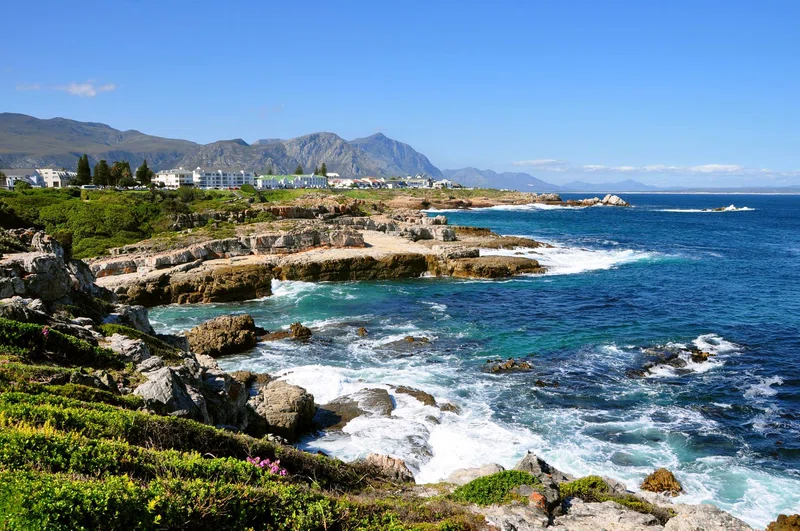
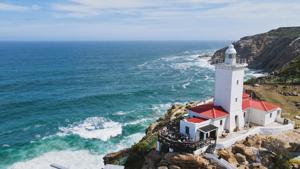
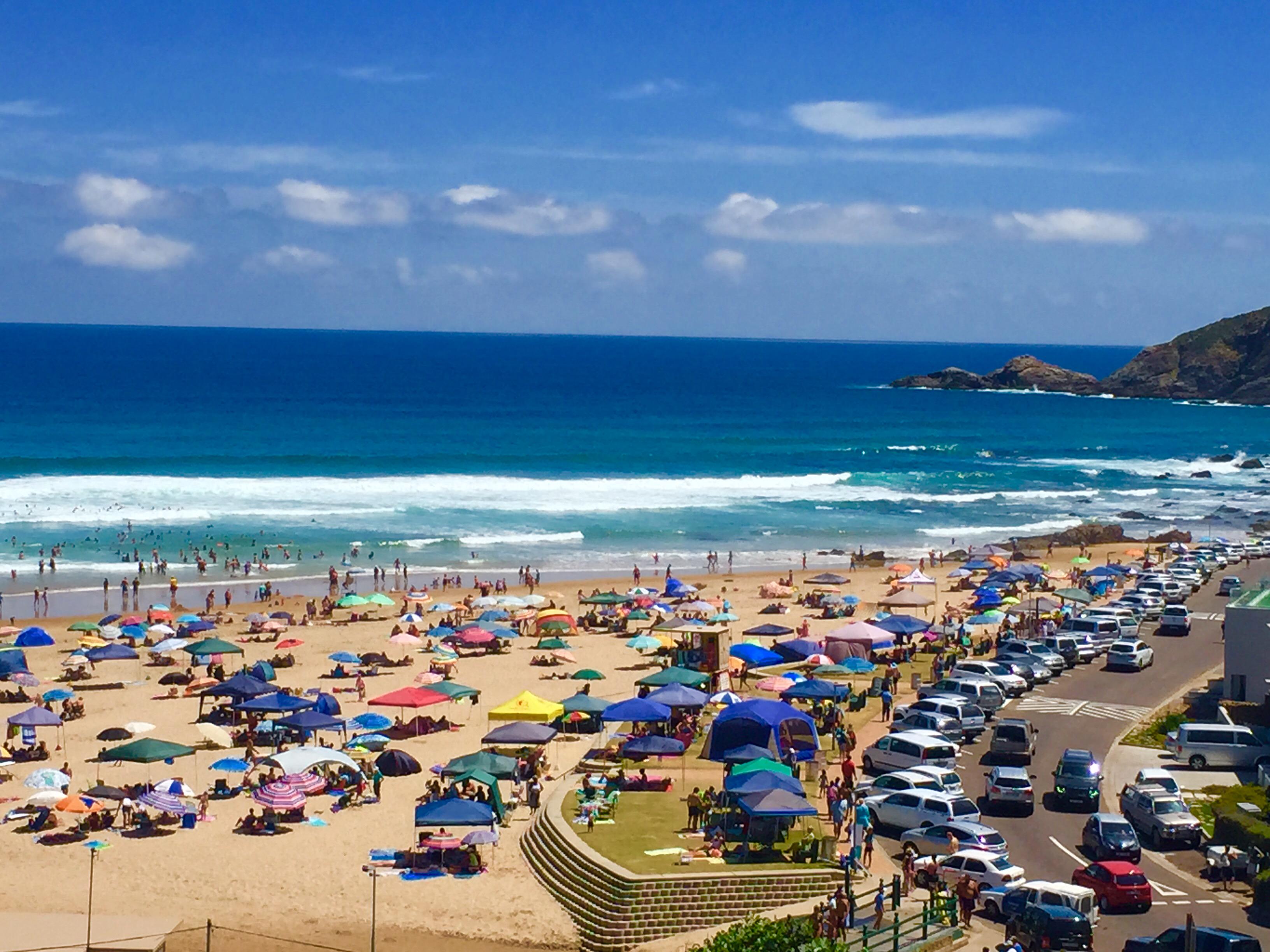
Mossel Bay is a historic harbour town and significant tourism and farming region located on South Africa's scenic Garden Route, within the Western Cape Province. Situated approximately 400 kilometers east of Cape Town and 400 kilometers west of Gqeberha, it serves as a central point for exploring the diverse natural beauty of the region. The town was officially proclaimed in 1848 and became a municipality in 1852, later merging with smaller surrounding settlements like Friemersheim, Great Brak River, and Herbertsdale in 2000 to form the current Mossel Bay Local Municipality. The older parts of the town are nestled on the north-facing side of the Cape St Blaize Peninsula, while newer developments extend eastward along the sandy shores of the Indian Ocean. The municipal area is bordered by the Gouritz River to the west, the Outeniqua Mountains to the north, and the Maalgate River to the east, encompassing a varied landscape that includes over 60 kilometers of coastline.The climate in Mossel Bay is mild throughout the year, characterized as ocean-moderated semi-arid with an impressive average of 320 days of sunshine annually. This favorable weather, combined with its extensive beaches and the warm Agulhas Current of the Indian Ocean, makes it a popular beach holiday destination. Beyond its coastal appeal, Mossel Bay is a hub for adventure tourism, offering activities such as deep-sea fishing, SCUBA diving, white shark cage diving, whale watching, skydiving, and the longest over-ocean zipline. The town's economy is diversified, historically relying on farming and fishing, and more recently bolstered by the discovery of offshore natural gas fields, leading to the establishment of the PetroSA gas-to-liquids refinery.Mossel Bay boasts a rich human history, with archaeological evidence tracing human presence back over 164,000 years in the Pinnacle Point Caves. These sites have revealed some of the earliest signs of modern human behavior, including the systematic exploitation of marine resources and advanced tool-making techniques. The town is also historically significant as the landing site of the first Europeans in South Africa, with Bartolomeu Dias arriving in 1488. Notable landmarks reflecting this heritage include the Bartolomeu Dias Museum Complex, the famous Post Office Tree, and the Cape St. Blaize Lighthouse. The cultural landscape is further enriched by rock art sites in the northern mountains, offering a glimpse into the ancient San people's practices.






Weather & Rainfall Patterns
Station: 339s219e · 20.9 km away · 459m