
Zombitse-Vohibasia National Park
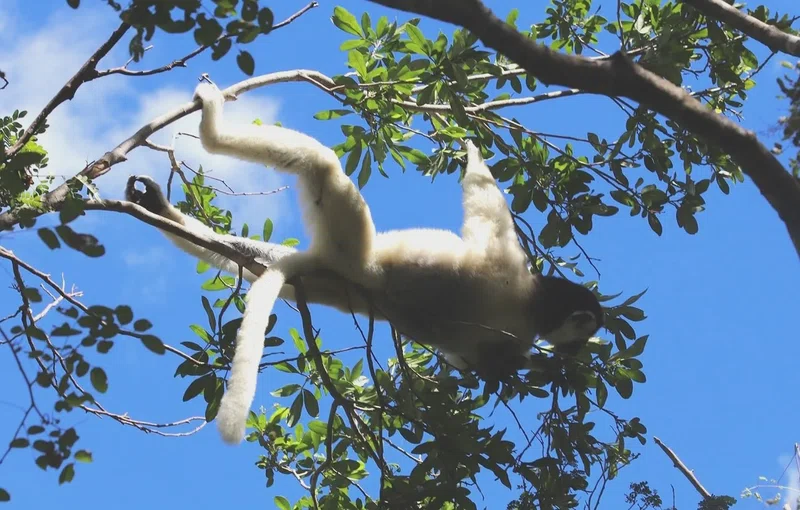
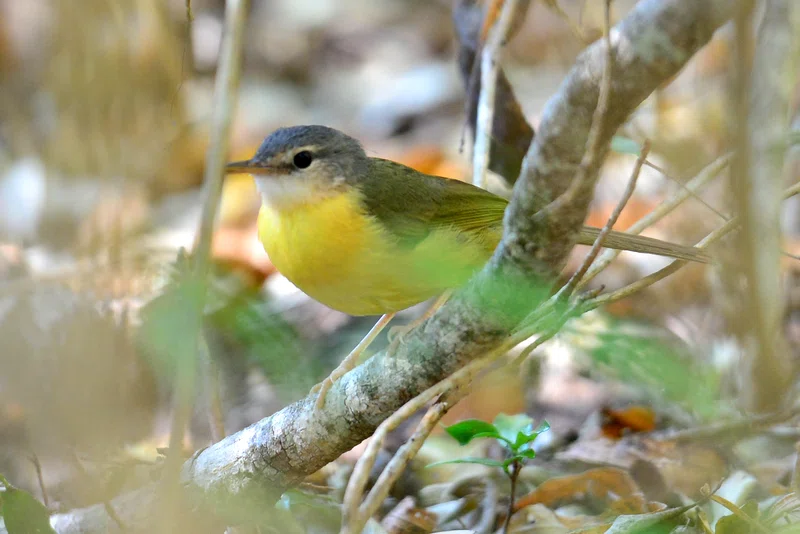
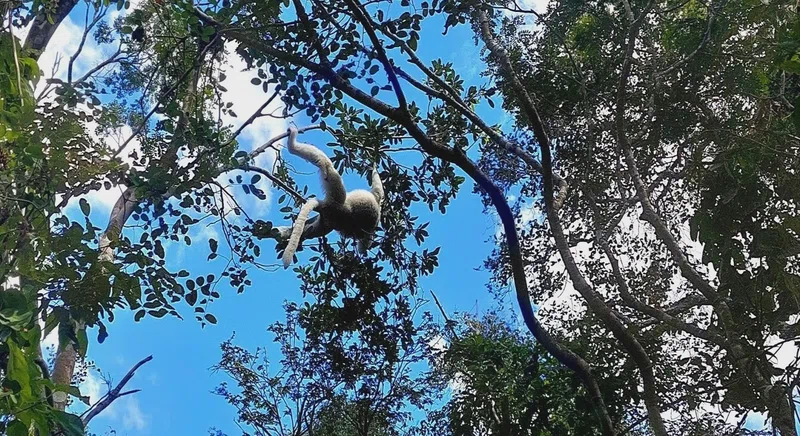
Zombitse-Vohibasia National Park is a crucial protected area located in the Atsimo-Andrefana region of south-western Madagascar, approximately 147 kilometers north-east of Toliara along National Road 7. Established as a National Park in 2002, it encompasses 36,308 hectares (363 km²) across three distinct forest parcels: Zombitse, Isoky Vohimena, and Vohibasia. The park is situated in a unique transitional zone, bridging the wetter central highlands and the arid spiny forests of the south, resulting in a distinctive mix of species from both ecosystems. Its landscape features gently undulating terrain, interspersed with dense forest patches, open bush, and rocky outcrops, all within a semi-arid climate. The forest acts as a vital "green island" amidst an increasingly deforested and agricultural landscape, making it a critical refuge for its diverse inhabitants.The park is renowned for its exceptional biodiversity, particularly its avian and lemur populations. It is home to 47% of Madagascar's endemic bird species, including the critically vulnerable Appert's tetraka (Phyllastrephus apperti), which is locally endemic to this area. A total of 90 to 103 bird species have been recorded within the park. Eight species of lemurs inhabit Zombitse-Vohibasia, notably the endangered Hubbard's sportive lemur (Lepilemur hubbardorum), which is known only from this protected area. Other lemur species include the critically endangered Verreaux's sifaka, the red-fronted brown lemur, and the endangered ring-tailed lemur. Beyond birds and lemurs, the park also hosts 33 species of reptiles, such as Standing's day gecko, 8 species of amphibians, and 2 species of carnivores, including the vulnerable fossa. The flora is equally rich, with nearly 300 plant species, over 80% of which are endemic to Madagascar, featuring dry deciduous forest trees, various baobab species like Adansonia za and Adansonia grandidieri, and unique orchids.Visitors to Zombitse-Vohibasia National Park can engage in short, easy hikes and guided tours, primarily focusing on wildlife observation and birdwatching. The trails are conveniently accessible directly from the RN7. The park's management, Madagascar National Parks, collaborates with local communities, including the Bara and Mahafaly people, in conservation and development activities. Despite its ecological importance, the park faces significant pressures from slash-and-burn agriculture, bushfires, illegal sapphire mining, and hunting, highlighting its ongoing conservation challenges. The best time to visit is generally during the dry season from March to October, though the rainy season (November to February) offers a greener forest and active wildlife.
Quick Info
Own this place?
Claim it to manage photos, respond to visitors, and promote it to travelers.
Claim this listing →Safari Tours
3 tours departing from this area

Weather & Rainfall Patterns
Station: 229s444e · 25.6 km away · 479m