
Karenga
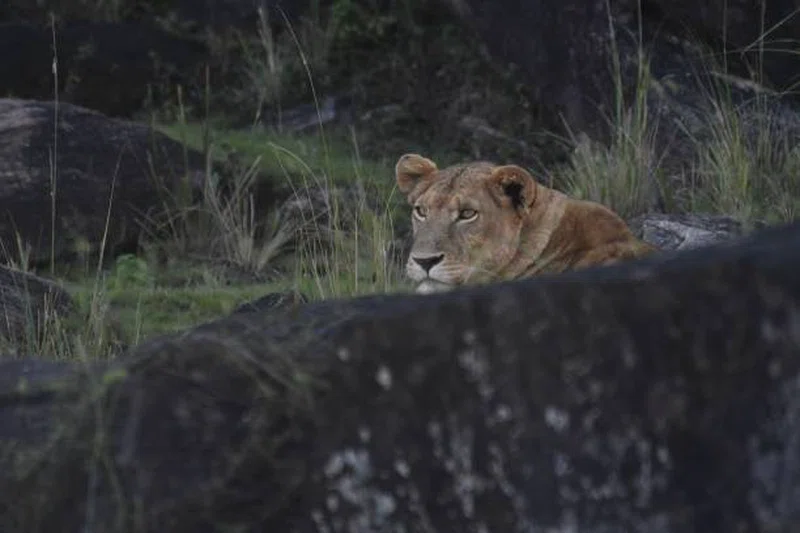
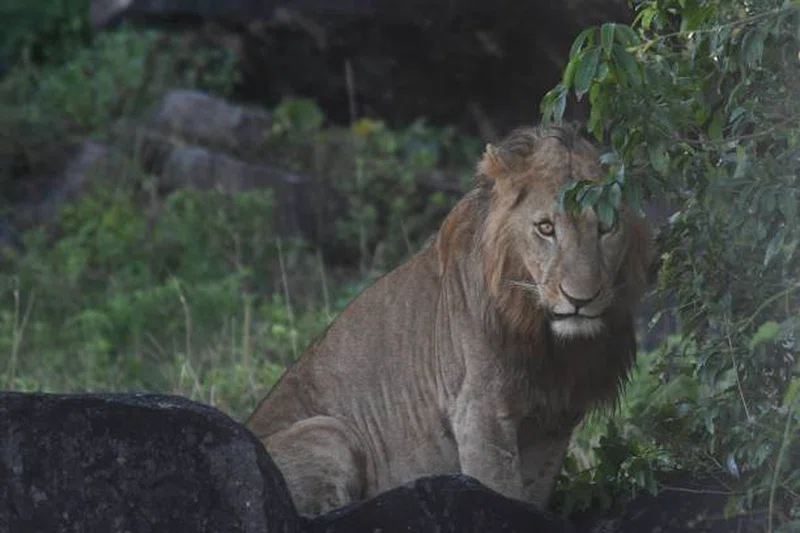
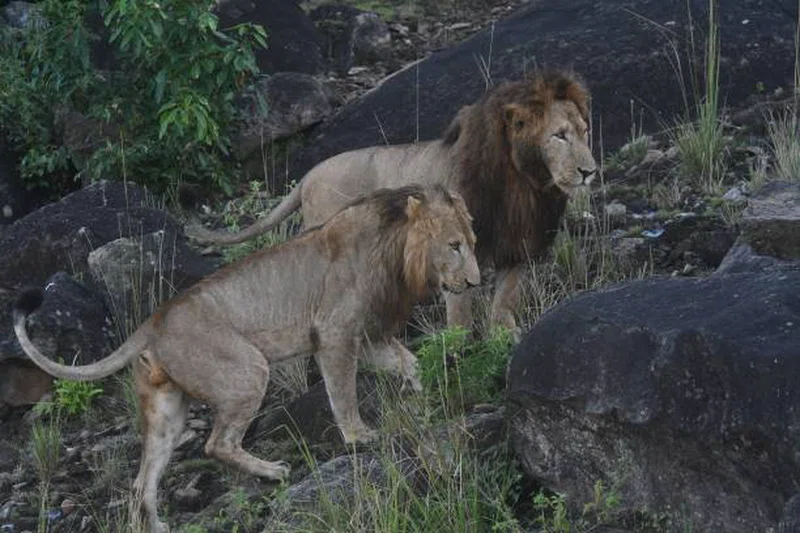
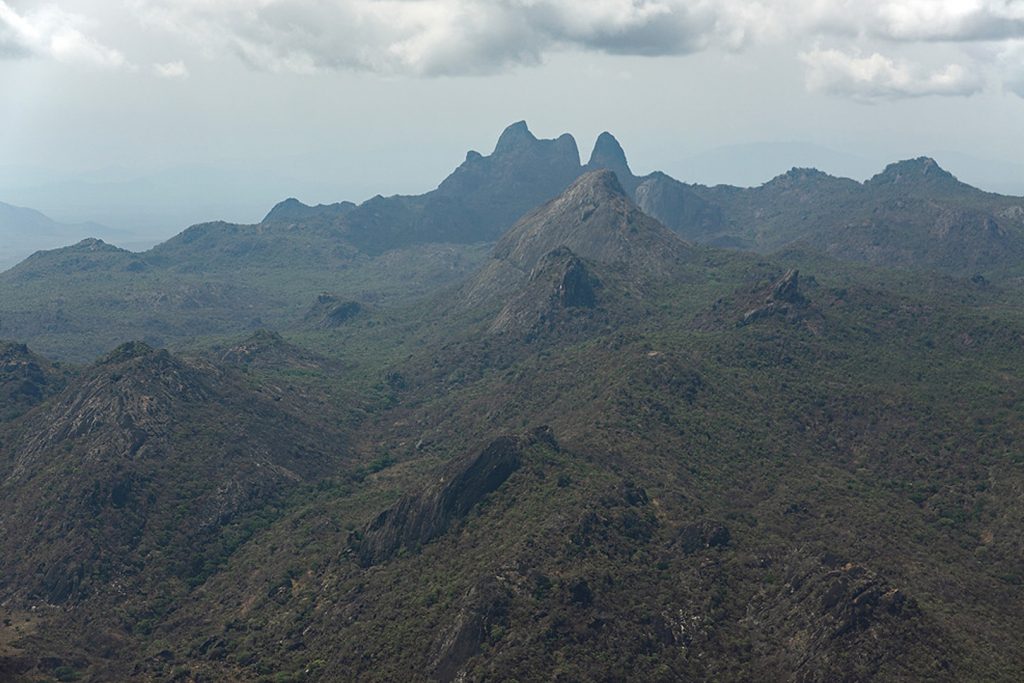
Karenga is a district located in the Northern Region of Uganda, specifically within the Karamoja sub-region. Established on July 1, 2019, through an Act of the Ugandan Parliament, it was formed by splitting from Kaabong District. The administrative and commercial hub of this newly created district is Karenga town. Geographically, Karenga District shares an international boundary with South Sudan to its north, while nationally it is bordered by Kitgum District to the west, Kotido District to the south, and Kaabong District to the east. [2, 8]The district spans a total land area of 3,193 square kilometers and, as of 2023, has an estimated population of 73,100 residents, with a population density of approximately 22.89 people per square kilometer. The demographic makeup primarily includes the Karimojong, Acholi, and Mening ethnic groups, with a notable presence of South Sudanese residents in Karenga town. The local economy is largely sustained by subsistence agriculture, focusing on crops such as maize, sorghum, and beans, alongside pastoralism, which involves the rearing of livestock like cattle and goats. This traditional economic activity is a significant cultural and economic pillar for the communities. [2, 8]Karenga District serves as a crucial entry point to the renowned Kidepo Valley National Park, a major draw for tourism in the region. The park is celebrated for its abundant wildlife, including large herds of buffalo. The district's terrain is characterized by a savannah landscape, experiencing semi-arid conditions with a single rainy season that typically runs from April to October. While tourism contributes to the local economy, particularly in Karenga town, the district faces several developmental challenges. These include food insecurity, often exacerbated by wildlife from Kidepo Valley National Park damaging crops, and persistent issues of cattle rustling. Poverty is also widespread in the Karamoja sub-region, and infrastructure development lags due to the district's remote and rugged terrain. Despite these challenges, efforts are underway to promote community-based tourism and improve social services, including education and water access. [2, 3, 5, 7]



3 Days Kidepo National Park Safari
0.1 km away
Weather & Rainfall Patterns
Station: 33n334e · 22.8 km away · 1090m