
Ifakara
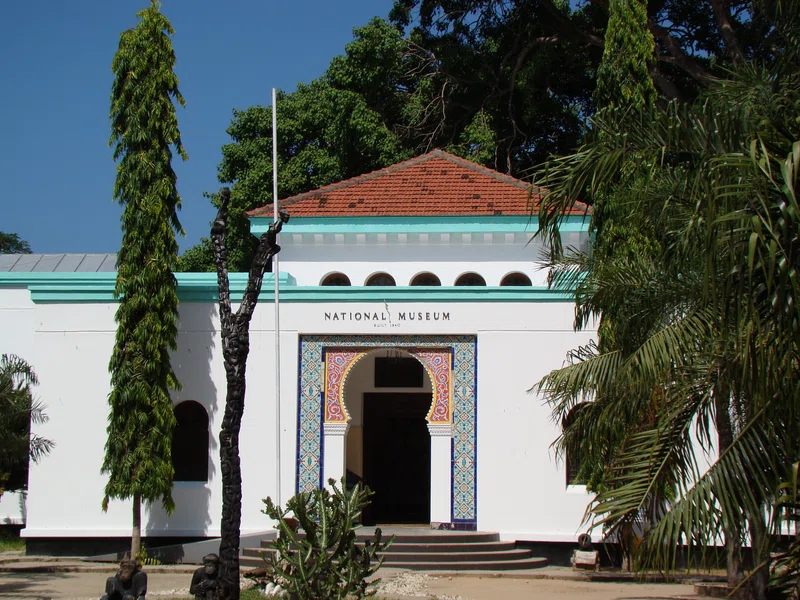
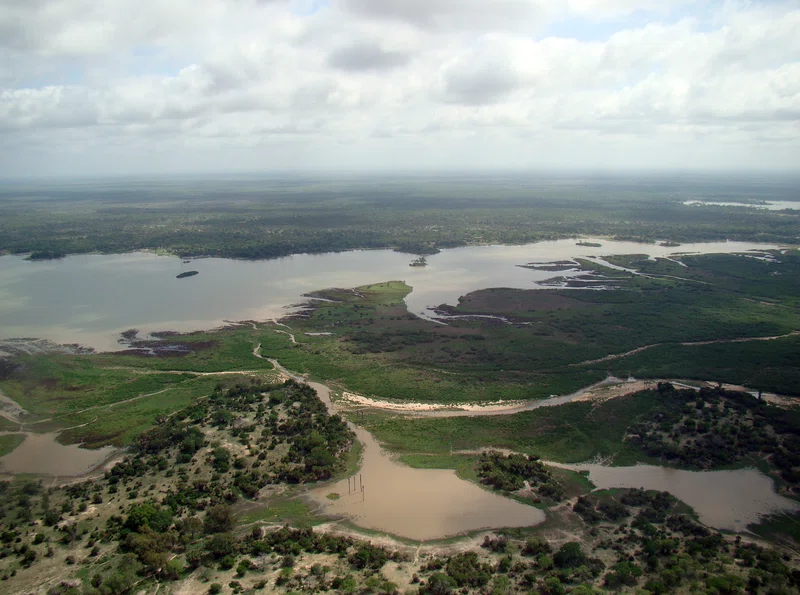
Ifakara is a town located in the Kilombero District, Morogoro Region, south-central Tanzania. It serves as the headquarters for the Kilombero District administration and is a significant trading center for both Kilombero and Ulanga districts. The town is situated near the Tanzania-Zambia Railway (TAZARA) line, at the edge of the Kilombero Valley, which is a vast swampland frequently flooded by the Kilombero River. The area is characterized by authentic savannah grassland, with natural grass fields that are green during the rainy season and brown in the dry season, except for the evergreen banks of the Kilombero River and cultivated lands. Daytime temperatures typically range from 32 degrees Celsius in June to 39 degrees Celsius in December, with night temperatures only slightly lower.Historically, Ifakara has undergone several administrative changes, being part of Mahenge militarbezirk, then Mahenge District, and later Ulanga District before becoming part of Kilombero District. The name "Ifakara" is derived from two Ndamba words, "ufa" and "kara," meaning "land is destructed" or "land is totally dead," a name given during the Lipangalala invasions in the 1860s. The indigenous people are primarily the Ndamba, Mbunga, and Pogoro tribes, alongside descendants of leaders from Zululand and Southern Africa, and other ethnic groups like Hehe, Sukuma, and Chagga. Christianity is the predominant religion due to early missionary settlements, with the Capuchin Mission starting work in Ifakara in the 1920s and establishing medical facilities like the St. Francis Hospital.The economy of Ifakara has historically revolved around fishing in the Kilombero River, which provides various fish species. The Ndamba people are known for their riverine economy and technological superiority in canoe transport. Other traditional subsistence activities included hunting and cultivation. Today, farming is also prevalent, with rice being the main foodstuff, and sugarcane, maize, millet, and wheat grown for both food and trade. Ifakara is also home to several key institutions in the health and water sectors, including the internationally recognized Ifakara Health Institute, St. Francis University College of Health and Allied Sciences, and MSABI, an NGO focused on water, sanitation, and hygiene projects.


4-Day Mikumi, Udzungwa -Sanje Waterfalls &Maasai by Jeep
0.0 km away
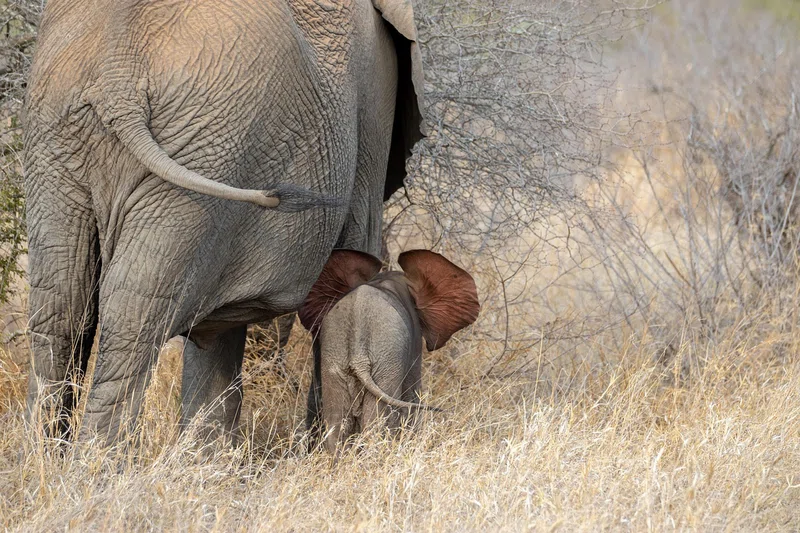
6-Day Mikumi, Iringa, Ruaha and Udzungwa National Park
0.0 km away
4-Day Mikumi & Udzungwa Mountain NP - Highrange Only
0.0 km away
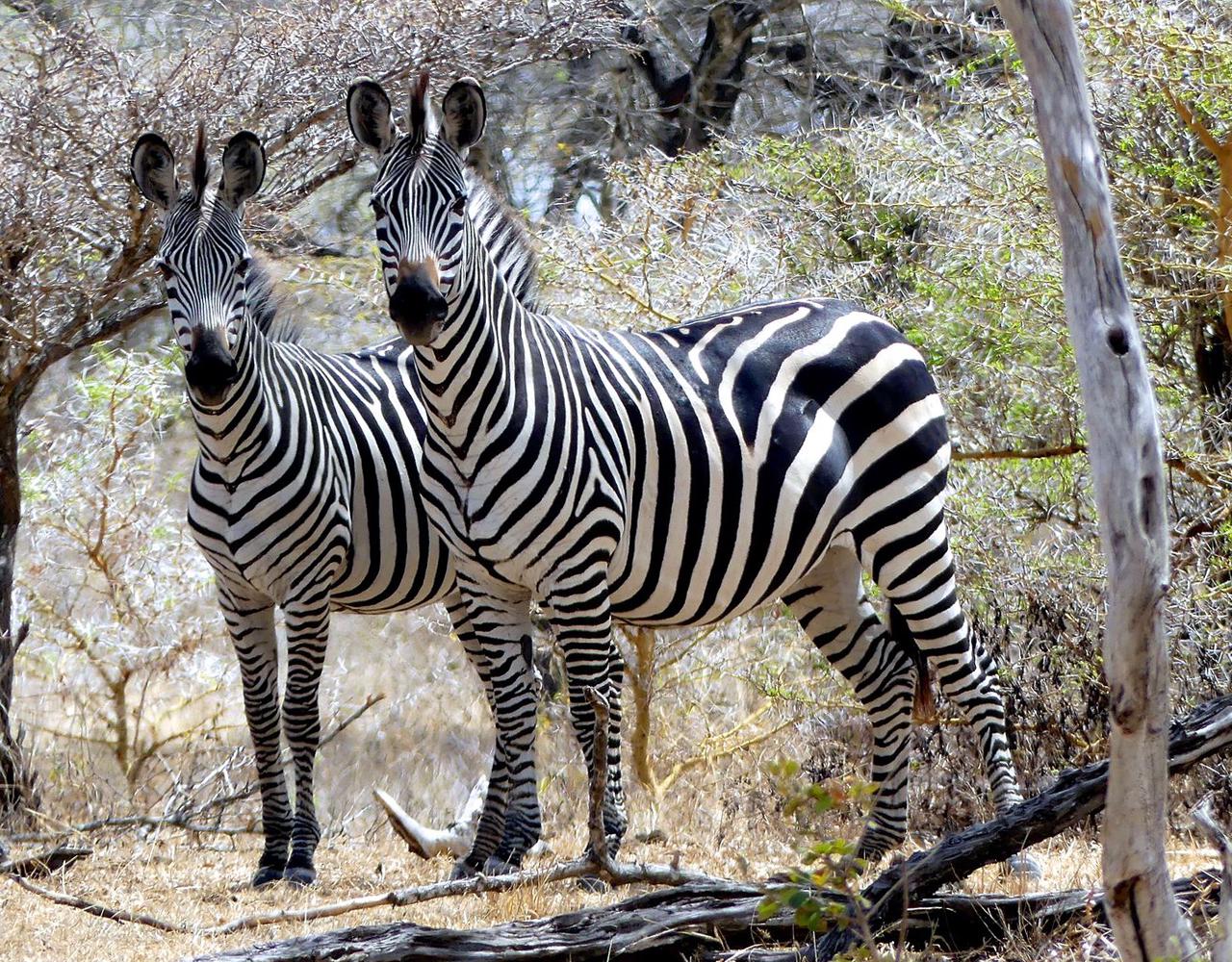
2 Days/1 Night Nyerere National Park Safari
0.1 km away

3-Day Fly-In Nyerere Safari: Untamed Wilderness of Southern Tanzania
0.1 km away

2-Day Shared Safari to Nyerere NP from Zanzibar
0.1 km away
Weather & Rainfall Patterns
Station: 80s362e · 25.3 km away · 959m