
Lokobe National Park
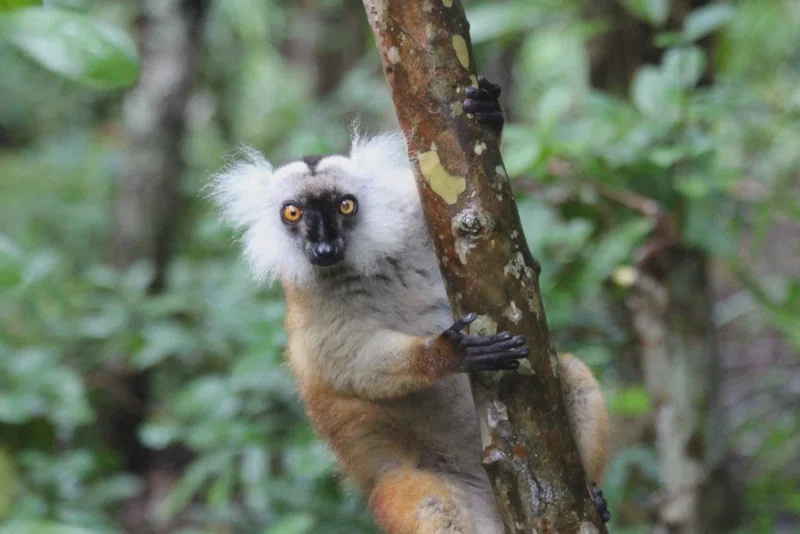
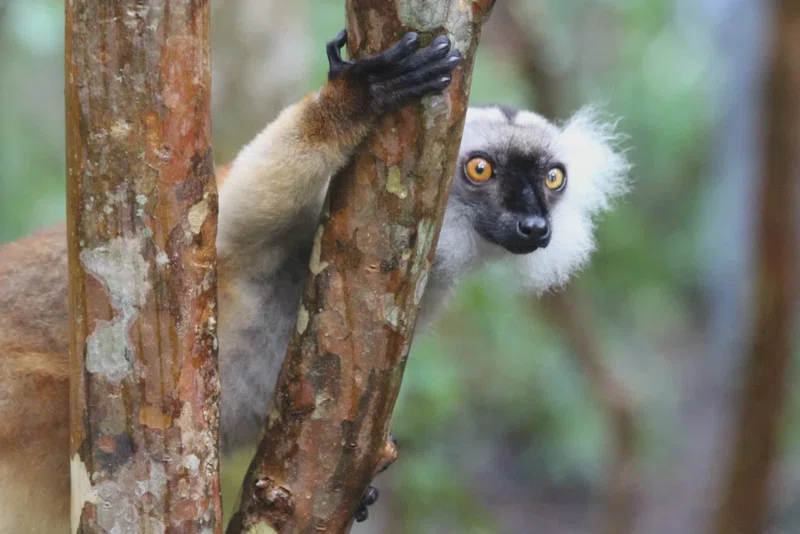
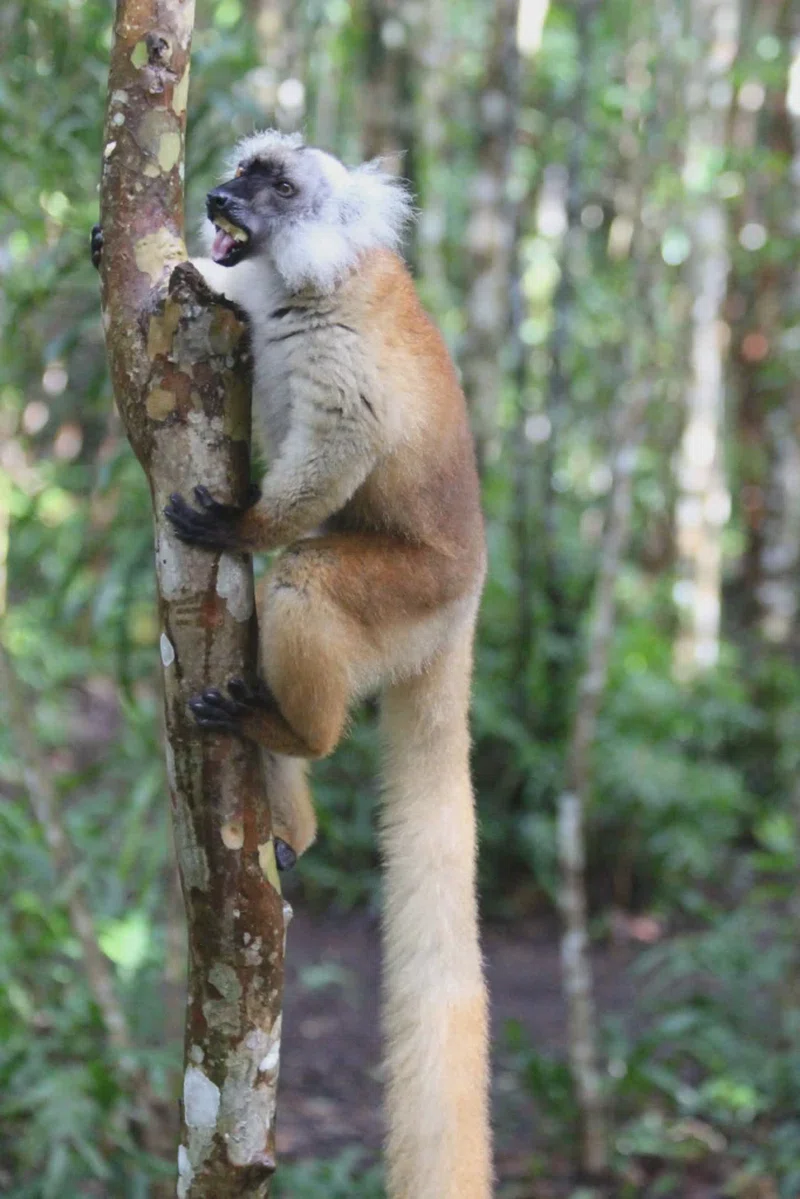
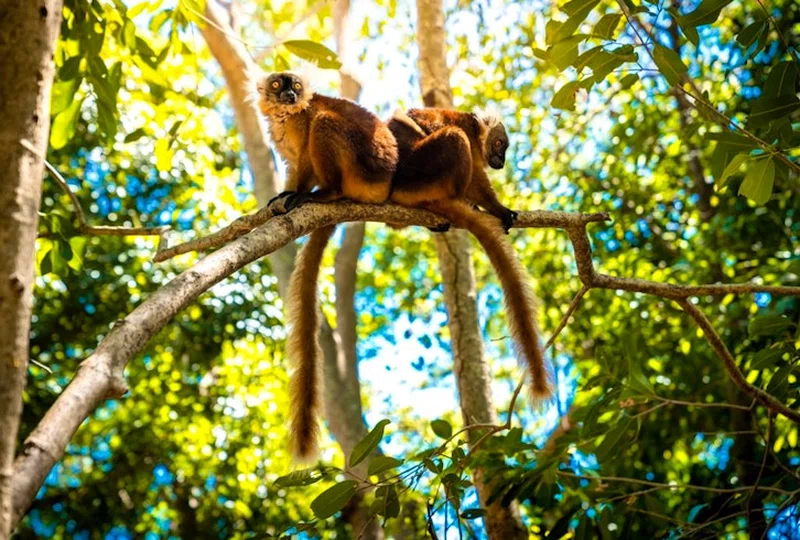
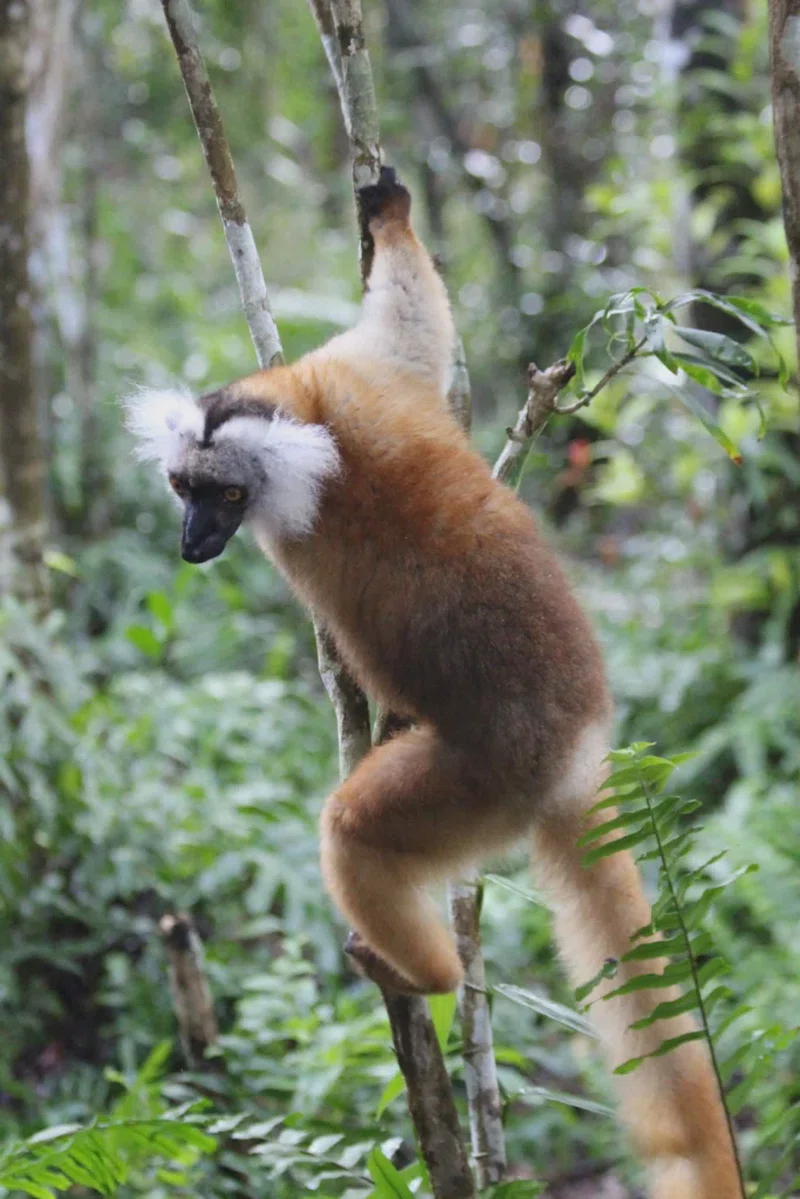
Lokobe National Park, situated on the southeastern side of Nosy Be island off Madagascar's northwest coast, is a vital protected area encompassing the last significant remnant of lowland primary rainforest on the island. Established as a nature reserve in 1966 and officially declared a National Park in 2011, it covers approximately 7.4 square kilometers of terrestrial forest, complemented by a 1.22 square kilometer marine shelter. The park's landscape is characterized by small forested hills, moderate slopes, and dense evergreen forest featuring towering trees, lianas, palms, and thick undergrowth, all growing on volcanic soils. Notable flora includes jungle giants like the Ramy tree (Canarium madagascariense) and rare palms such as Dypsis nossibeensis. The forest floor is often covered in ferns and lichens, and the park's coastline boasts palm-fringed beaches and small bays looking out over the Mozambique Channel.The park is a biodiversity hotspot, particularly renowned for its exceptional concentration of endemic wildlife. It is famously home to the Black Lemur (Eulemur macaco), with males being dark black and females a distinctive chestnut brown with white ear tufts. Other lemur species include the nocturnal Nosy Be Sportive Lemurs and Mouse Lemurs. Lokobe is also a haven for reptiles and amphibians, boasting over 50 reptile species and nearly 35 amphibian species. Visitors can spot the vibrant Nosy Be Panther Chameleon, tiny leaf chameleons (Brookesia spp.), bright green day geckos, and masters of camouflage like the leaf-tail geckos. Larger reptiles such as Madagascar Tree Boa constrictors and Ground Boas inhabit the forest. Among the amphibians, the Brown Mantella frog and one of the world's smallest frogs, Stumpffia pygmea, can be found. The park's skies are home to over 42 bird species, including drongos, vangas, and kingfishers, while more than 100 species of butterflies add to the vibrant ecosystem.Access to Lokobe National Park is typically by pirogue or boat from coastal villages like Ampasipohy on Nosy Be, followed by guided walks. While in 2011 it was possible to explore independently, guides are now mandatory to navigate the trails and enhance wildlife spotting. Activities include day walks (2-4 hours) to observe lemurs, chameleons, and various plants, as well as night walks (1.5-3 hours) for nocturnal species like mouse lemurs and sleeping chameleons. Combined forest and village visits often include lunch with local communities, who play a crucial role in tourism and conservation efforts. The park's proximity to Nosy Be's resorts makes it an ideal location for environmental education, highlighting the importance of humid forests. A rustic campsite with basic amenities is available for those seeking a more immersive experience.
Quick Info
Own this place?
Claim it to manage photos, respond to visitors, and promote it to travelers.
Claim this listing →Safari Tours
6 tours departing from this area








1-Day Nosy Be Cruise Ship Excursion Nosy Iranja
0.0 km away
Weather & Rainfall Patterns
Station: 133s484e · 22.6 km away · -9999m