
Kirindy Mitea National Park
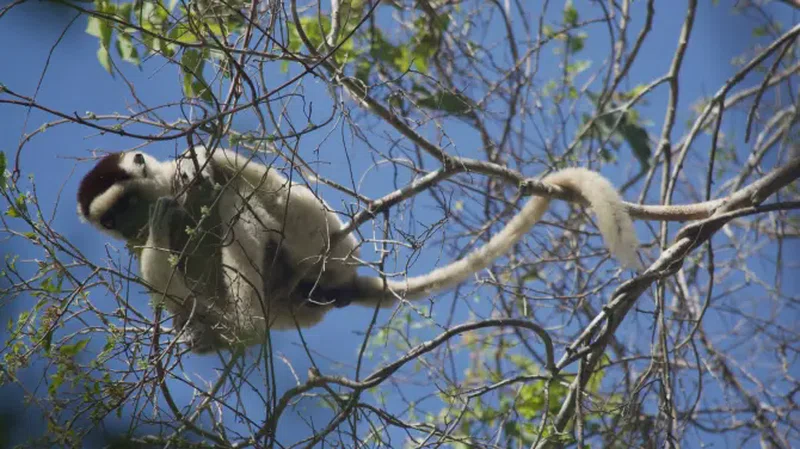
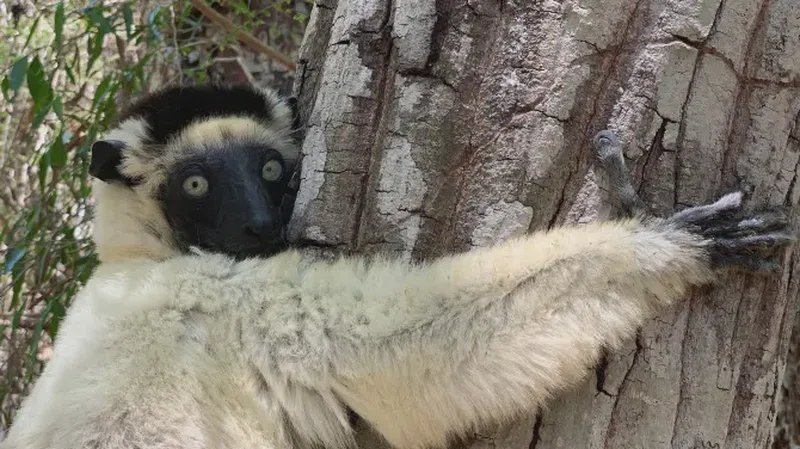
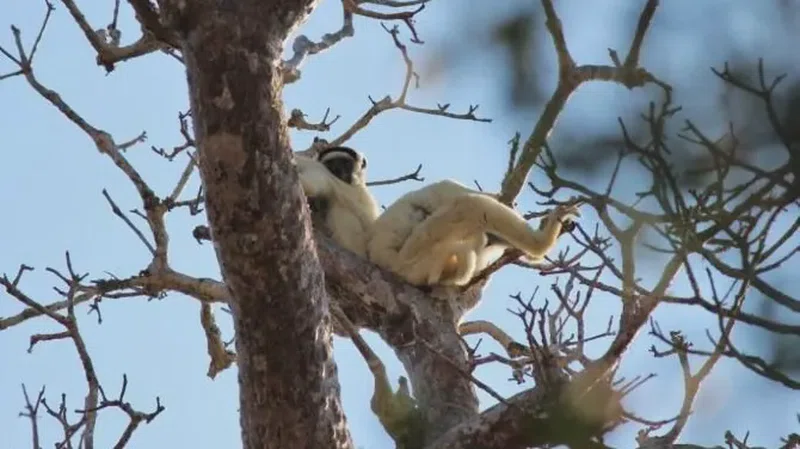
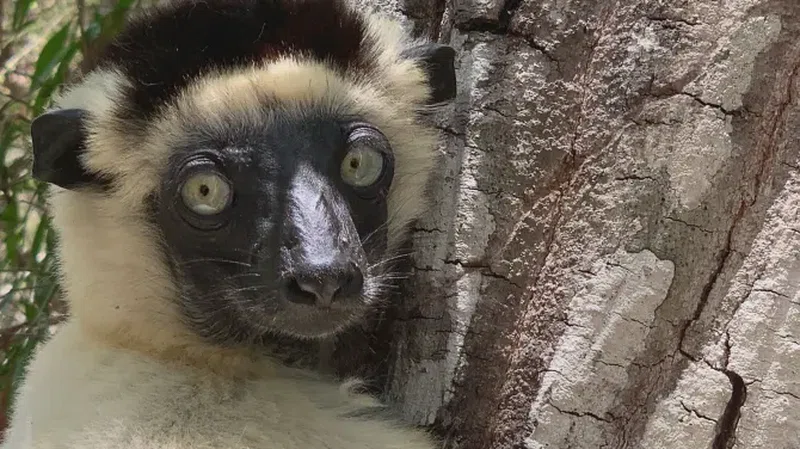
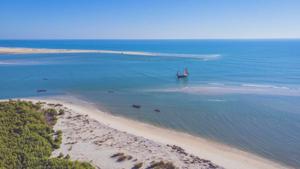
Kirindy Mitea National Park, established in 1997 and opened to visitors in 2006, is a significant protected area located on the southwest coast of Madagascar, along the Mozambique Channel. Situated in the Menabe Region, south of Morondava and nestled between the Lampaolo and Maharivo rivers, the park spans approximately 1,563.5 square kilometers (156,350 hectares), encompassing both terrestrial and marine environments, including seven small offshore islands. This unique location marks the convergence of western and southern biotopes, resulting in an extraordinary diversity of ecosystems. The park features tropical dry deciduous forests, littoral spiny forests, coastal mangroves, grassy dunes, sacred lakes like Ambondro and Sirave, pristine sandy beaches, and vibrant coral reefs. Notably, Kirindy Mitea is recognized as the only place in Madagascar where extensive dry forest areas are actively regenerating, a testament to its remote location and conservation efforts. It holds international labels as a UNESCO MAB site, a Key Biodiversity Area (KBA), an Important Bird Area (IBA), and a RAMSAR site for its wetland complex.The park is renowned for its exceptional biodiversity, particularly its high density of primates, claiming to host the highest in the world. Among the 11 recorded mammal species, 10 are endemic to Madagascar. It is the sole known habitat for Madame Berthe's mouse lemur, the world's smallest primate. Other lemur species include the Verreaux's sifaka, red-fronted brown lemur, ring-tailed lemur, and several nocturnal species. Kirindy Mitea is also considered the premier location to observe the elusive fossa, Madagascar's largest living predator, especially during their breeding season from October to December. Other notable mammals include the Madagascan jumping rat and the narrow-striped mongoose. The avian population is rich, with over 130 bird species, including the critically endangered Madagascar eagle and various flamingos. Reptiles and amphibians are also abundant, with over 30 reptile species and several amphibian species. The flora is equally impressive, featuring three species of the iconic baobab tree, including the towering Grandidier's baobab, and seven species of mangrove trees along the coast.Visitors to Kirindy Mitea National Park can engage in various activities, including hiking through its diverse landscapes, from arid primary forests to savannas and coastal dunes. Pirogue or canoe trips offer a unique way to explore the mysterious mangrove forests and estuaries. The park's beautiful beaches also provide opportunities for swimming. The local Sakalava people inhabit the area, and the park's establishment has led to development projects, such as schools and irrigation dams, benefiting the communities through tourism income. The park experiences extreme seasonal changes, with a hot, rainy season from December to February when wildlife is most active and vegetation is lush, followed by a long dry season when many animals hibernate.
Quick Info
Own this place?
Claim it to manage photos, respond to visitors, and promote it to travelers.
Claim this listing →Safari Tours
1 tour departing from this area





Weather & Rainfall Patterns
Station: 205s438e · 32.1 km away · -9999m