
Yabello Wildlife Sanctuary
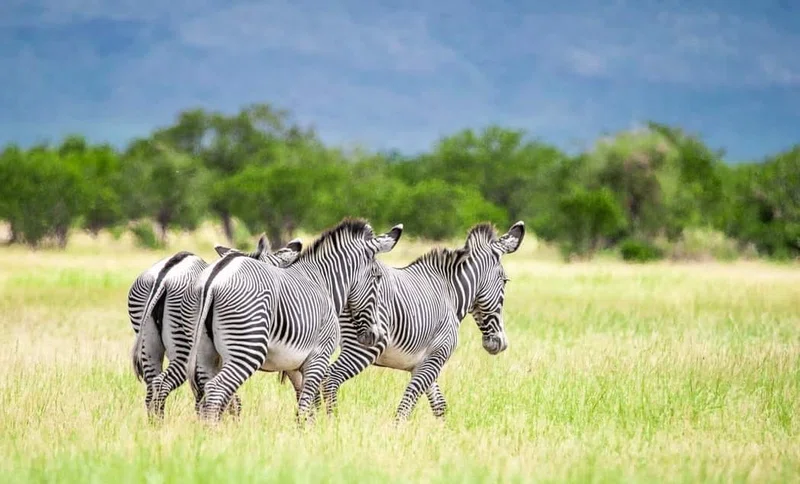
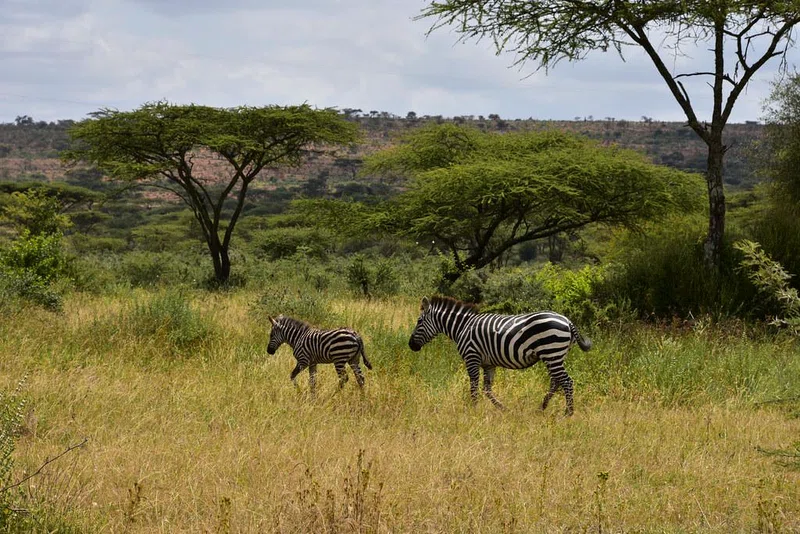
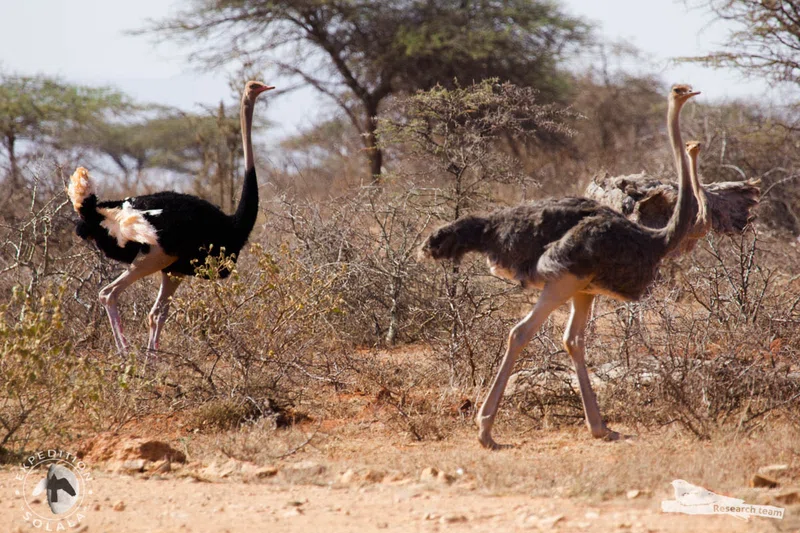
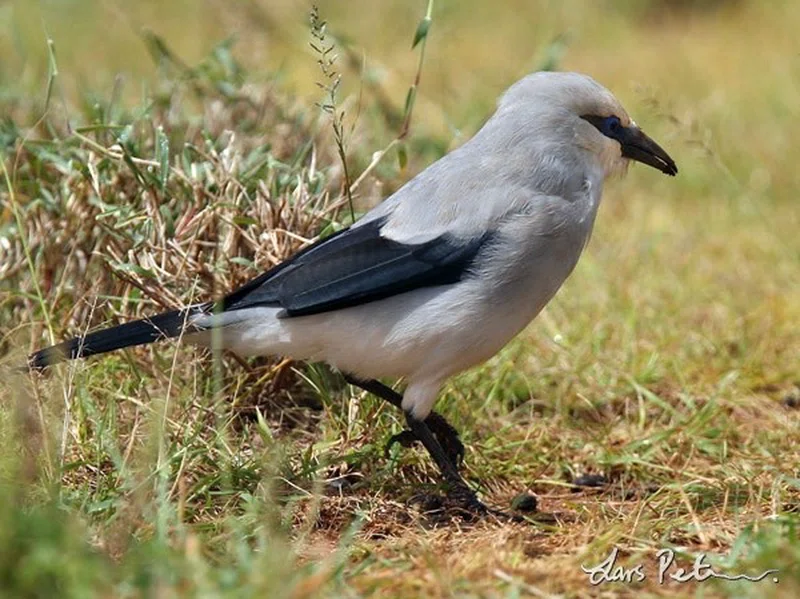
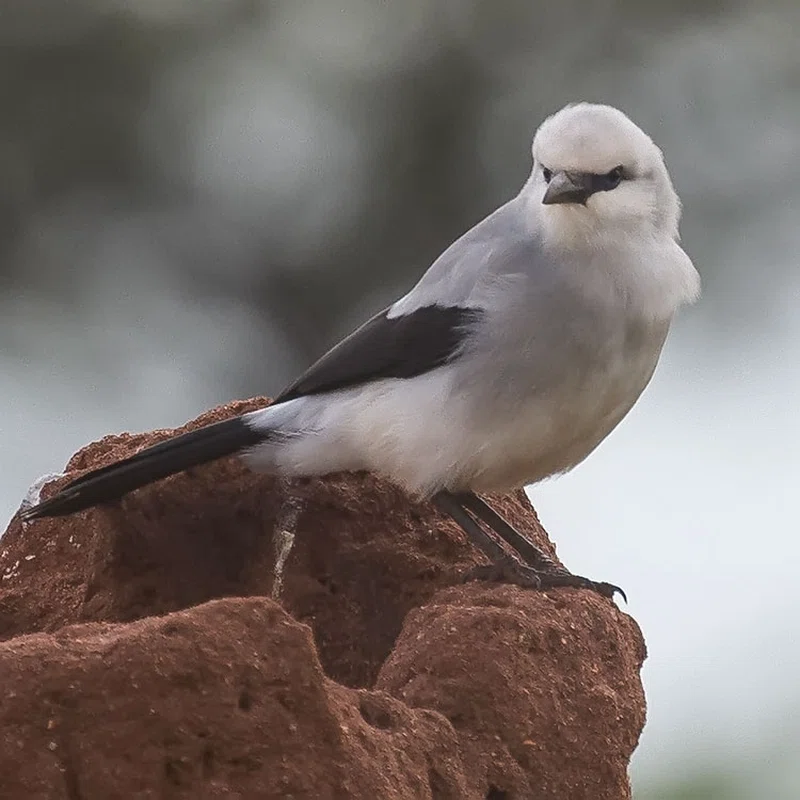
Yabelo Wildlife Sanctuary is a protected area of significant ecological importance located in southern Ethiopia, within the Borena Zone of the Oromia Region, situated west of the town of Yabelo. Covering an area of approximately 2,496 to 2,500 square kilometers, the sanctuary's elevations range from 1,430 to 2,000 meters above sea level. It borders Borana National Park to the south. The landscape is characterized by diverse terrain, including savanna plains, rolling hills, and lowland ecosystems. The sanctuary is particularly known for its distinctive red soils, which have low organic matter content and significantly influence the area's vegetation patterns.The dominant vegetation type within Yabelo Wildlife Sanctuary is Acacia savanna, featuring key tree species such as Acacia drepanolobium on black cotton soils, and Acacia brevispica and Acacia horrida on the slopes. Lower altitudes also host patches of Balanites aegyptiaca, along with various species of Commiphora and Terminalia. Historically, the higher hill areas were covered by forests dominated by Juniperus procera and Olea europaea cuspidata.The sanctuary is a critical habitat for a rich array of wildlife, especially birds. It is home to over 210 bird species, including 62 belonging to the Somali-Masai Biome. Notably, it protects endemic Ethiopian birds like Stresemann's bushcrow (also known as the Ethiopian Bush Crow) and the white-tailed swallow, both globally vulnerable species. Other avian residents include ostriches, short-tailed larks, Pringle's puffbacks, Northern Grey Tits, Abyssinian Grosbeak Canary, Vulturine Guineafowls, Somali Sparrow, Black-capped Social Weavers, Donaldson Smith's Nightjars, Star-spotted Nightjars, Grey-headed Social Weavers, and Magpie Starlings. The globally threatened Taita Falcon is also found here.Mammalian life includes abundant Burchell's zebras, along with smaller populations of Gerenuks, Grant's Gazelles, Beisa oryxes, and Günther's dik-diks. The sanctuary also provides suitable habitat for Bohor reedbuck, bushpig, Ethiopian hare, Greater kudu, Lesser kudu, and warthog. While their presence is uncertain, giraffes, lions, leopards, cheetahs, African wild dogs, golden jackals, serval cats, side-striped jackals, spotted hyenas, and Olive baboons are thought to inhabit the area. The sanctuary was originally established in 1985 to protect the endemic Swayne's Hartebeest, though this species has unfortunately disappeared from the area.Visitors to Yabelo Wildlife Sanctuary can engage in various activities such as guided wildlife tours, birdwatching expeditions, and hiking through its diverse terrains. Camping is also an option for a more immersive experience. The area holds cultural significance as the Borana people, an indigenous pastoralist community, have resided here for centuries, maintaining a deep understanding and respect for the land and its wildlife through traditional land management systems like 'Tula Wells'. Engaging with the local Borana people offers opportunities for cultural exchange.Despite its ecological importance, Yabelo Wildlife Sanctuary faces significant conservation challenges, including deforestation, illegal hunting of spotted cats and ostriches, and human settlement within its boundaries. These issues highlight the ongoing need for conservation efforts to preserve its unique biodiversity and cultural heritage.
Quick Info
Own this place?
Claim it to manage photos, respond to visitors, and promote it to travelers.
Claim this listing →Safari Tours
2 tours departing from this area



Weather & Rainfall Patterns
Station: 48n384e · 25.6 km away · 1428m