
Lodwar
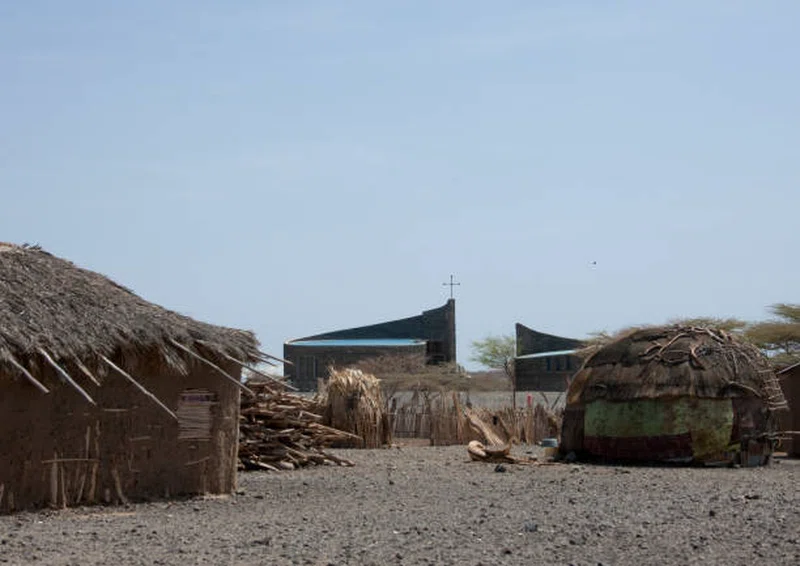
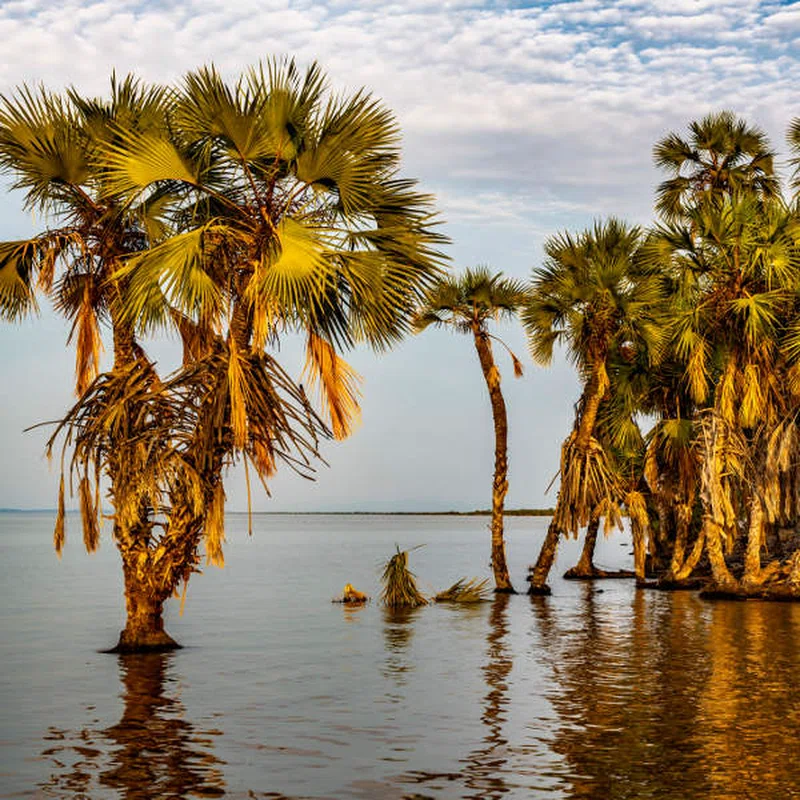
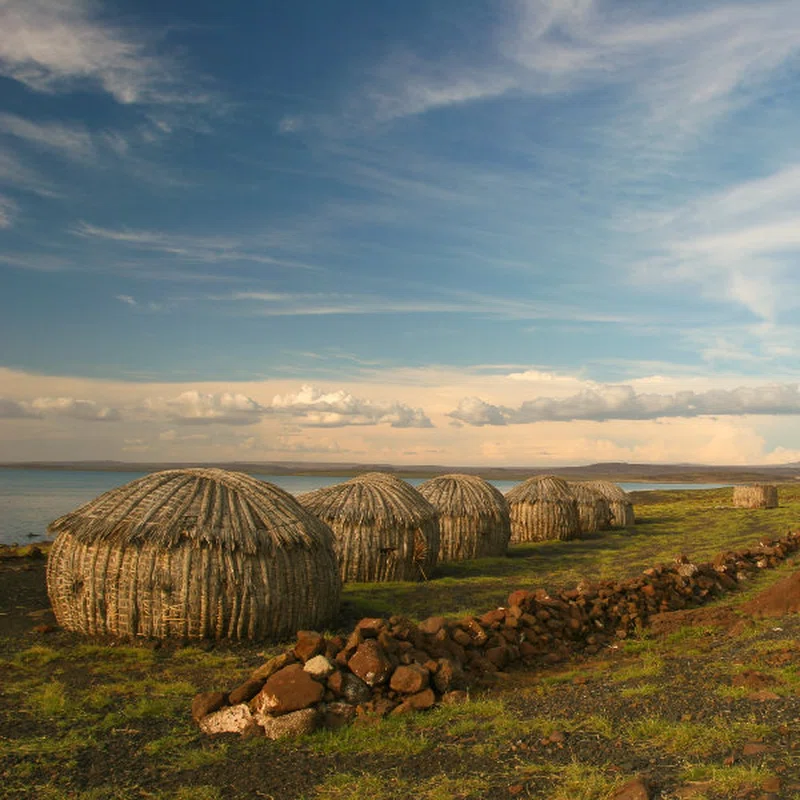
Lodwar is the largest town in north-western Kenya and serves as the capital of Turkana County, situated west of Lake Turkana on the A1 road. With a population of 82,970 as of the 2019 census, the town lies between the seasonal Kalawasee River and the Turkwel River, with the Loima Hills visible to its west. The landscape is relatively flat, and the region experiences a hot desert climate characterized by very high temperatures and minimal rainfall, averaging about 210 mm annually. Despite the arid conditions, Lodwar enjoys a very sunny climate, receiving close to 3,600 hours of sunshine each year.The area around Lodwar, particularly Lake Turkana, holds significant natural and historical value. Lake Turkana, the fourth largest of the Eastern African lakes, is notable as the largest desert and alkaline lake, providing habitats for diverse flora and fauna, including a substantial crocodile population. Within the Lake Turkana basin, three National Parks—South Island, Central Island, and Sibiloi National Parks—feature active volcanoes and host abundant wildlife such as zebras, lions, hyenas, cheetahs, hippopotamuses, and various bird species. The region is also a crucial site for paleontological discoveries, with fossils of Homo habilis, the "Turkana Boy" (Homo erectus), and Australopithecus anamensis having been unearthed, contributing significantly to the understanding of human evolutionary history. The oldest evidence of inter-group conflict has also been found at Nataruk in southwest Turkana.Historically, Lodwar's development began around 1933 with the establishment of a trading center by Shah Mohammed. The British colonial administration set up an army base in 1919 and later made Lodwar its administrative center for north-western Kenya by 1939. A key historical landmark is Kenyatta House, which served as a detention camp for Kenya's first president, Jomo Kenyatta, and other freedom fighters starting in 1959, marking it as a significant site in Kenya's struggle for independence. Today, Lodwar is a blend of traditional Turkana culture and urban development, where locals often combine modern fashion with traditional beaded necklaces, and modern buildings stand alongside intricately woven manyattas made from local doum palm trees. The town's main industries include basket weaving and tourism, with the Lodwar Basketry Market being a popular place for visitors to find souvenirs.

Weather & Rainfall Patterns
Station: 30n353e · 17.3 km away · 591m