
Naiyobi
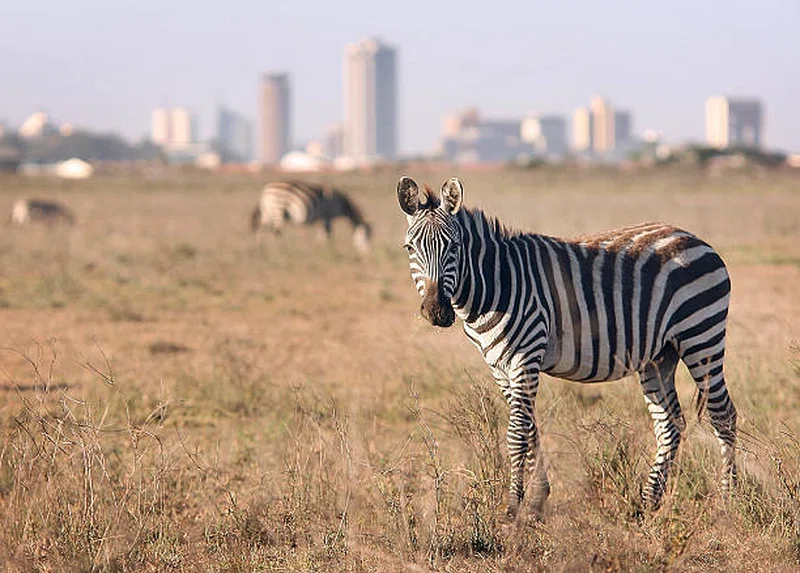
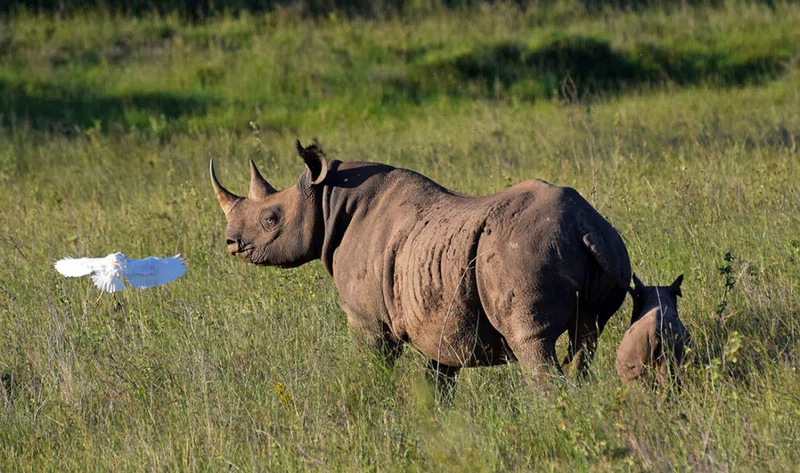
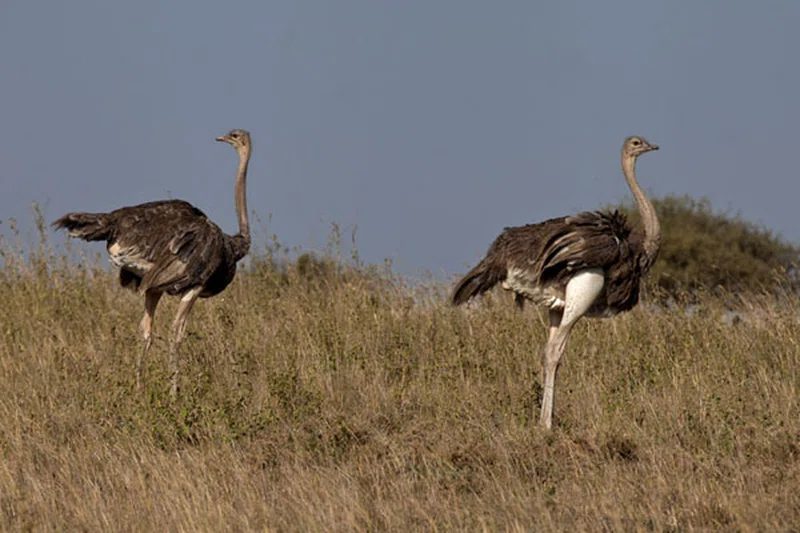
Nairobi, the capital and largest city of Kenya, is situated in the south-central part of the country within the highlands, at an elevation ranging from approximately 1,680 to 1,795 meters (5,500 to 5,889 feet) above sea level. Covering an area of about 696.1 square kilometers (268.8 sq mi), it is a significant urban center in East Africa. The city's name originates from the Maasai phrase "Enkare Nyirobi" or "Enkare Nairobi," meaning "place of cool waters" or "cold water," reflecting its historical connection to a local water source. Founded in the late 1890s as a colonial railway settlement, Nairobi quickly grew to become the capital of the British East Africa Protectorate in 1905 and maintained its status as the national capital after Kenya gained independence in 1963.As of 2026, Nairobi boasts an estimated population of 5.6 million, with a metropolitan population of 15.95 million, making it the 8th most populous city and 4th most populous metropolitan area in Africa. The city experiences a subtropical highland climate, characterized by moderate temperatures year-round and two distinct rainy seasons: a long one from March to May and a shorter one from October to December. Geographically, Nairobi lies near the eastern edge of the Great Rift Valley, with the prominent Ngong Hills to its west, Mount Kenya to the north, and Mount Kilimanjaro to the southeast. The Nairobi River and its tributaries flow through the county.Nairobi is uniquely recognized as the only capital city globally to host a national park within its boundaries, the Nairobi National Park. This park is a sanctuary for a diverse range of wildlife, including lions, rhinoceroses, elephants, and giraffes, alongside over 500 bird species. Beyond wildlife, the city offers cultural attractions such as the Giraffe Centre, the Karen Blixen Museum, and the Bomas of Kenya, which showcases the nation's diverse ethnicities through crafts, dance, and music. Nicknamed "The Green City under the Sun" and the "Safari Capital of the World," Nairobi serves as a major financial and economic hub for East Africa, hosting numerous Kenyan businesses, international companies, and organizations like the United Nations Environment Programme (UN Environment) and the United Nations Office at Nairobi (UNON). Its economy is driven by key sectors including tourism, technology, retail, financial services, manufacturing, and transportation, supported by the Jomo Kenyatta International Airport, a significant regional aviation hub.





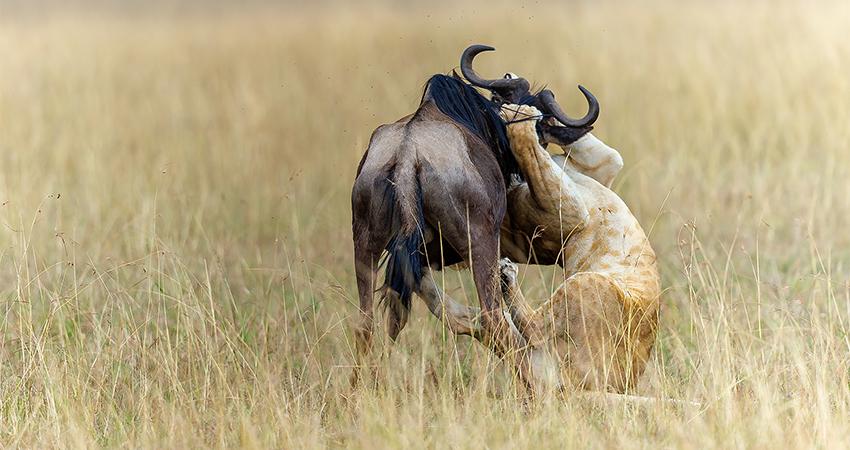
8 Days Kenya Masai Mara, Nakuru, Naivasha, Amboseli Budget Safari
0.0 km away
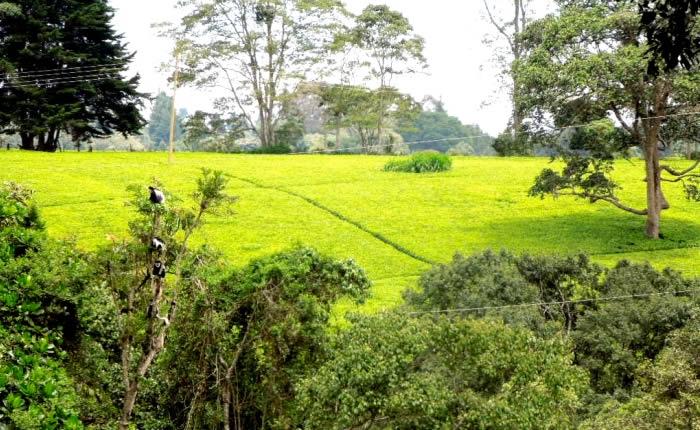
Kiambethu Tea Farm Day Tour
0.0 km away

12 Days Mt.Kenya / Samburu / Nakuru / Masai Mara / Naivasha / Amboseli / Tsavo
0.0 km away
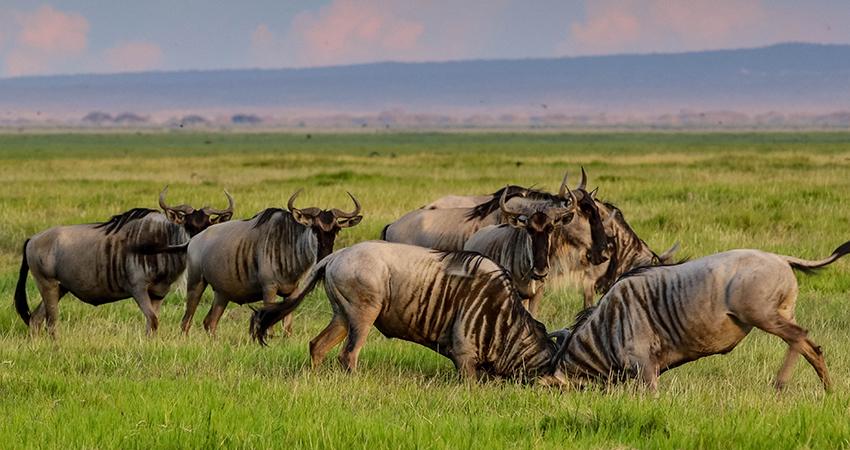
4 Days Maasai Mara/ Nakuru Holiday
0.0 km away
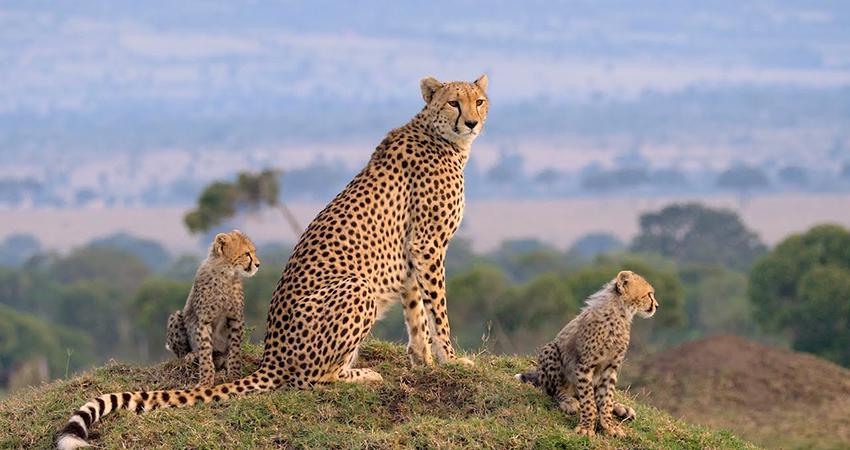
06 Days Mara/Nakuru/ Amboseli Safari
0.0 km away
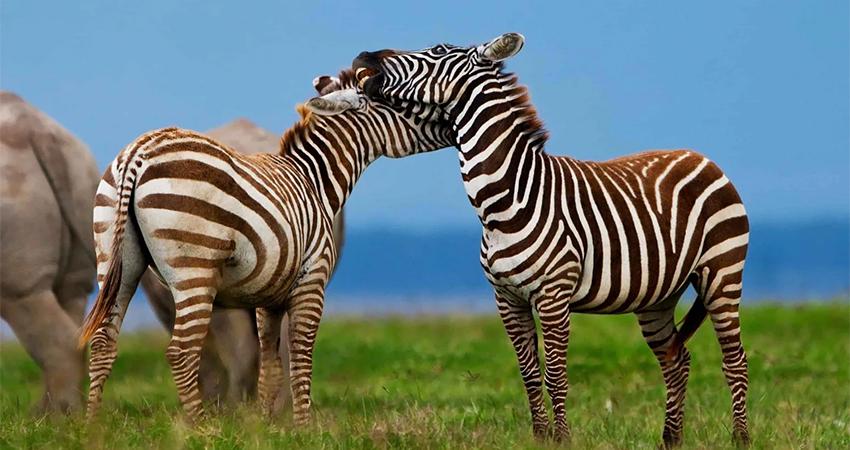
5 Days Maasai Mara, Lake Nakuru & Lake Naivasha Safari
0.0 km away
Weather & Rainfall Patterns
Station: 14s369e · 30.6 km away · 1627m