
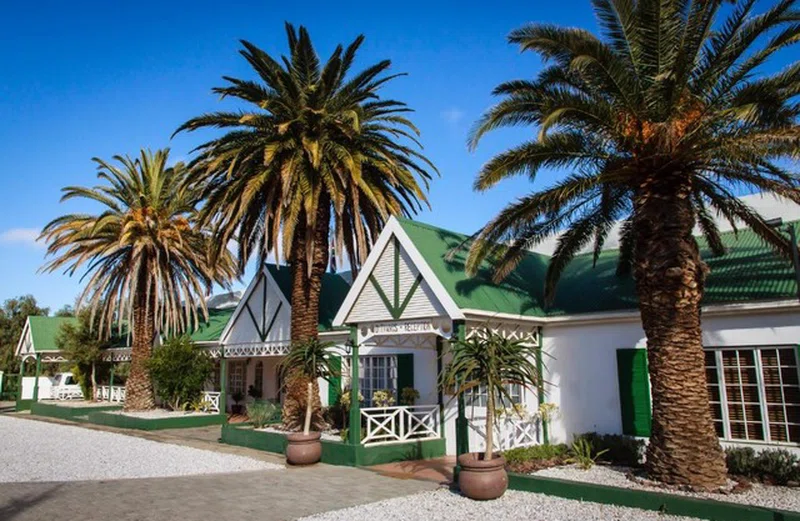
Okiep
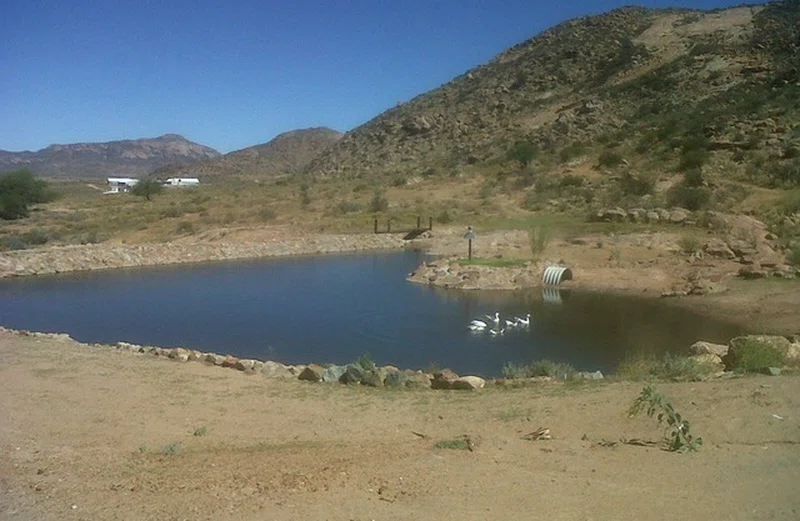
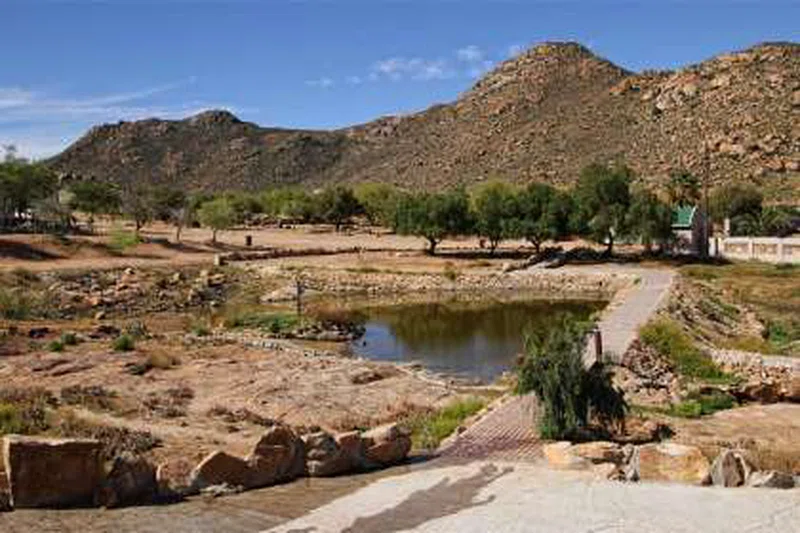
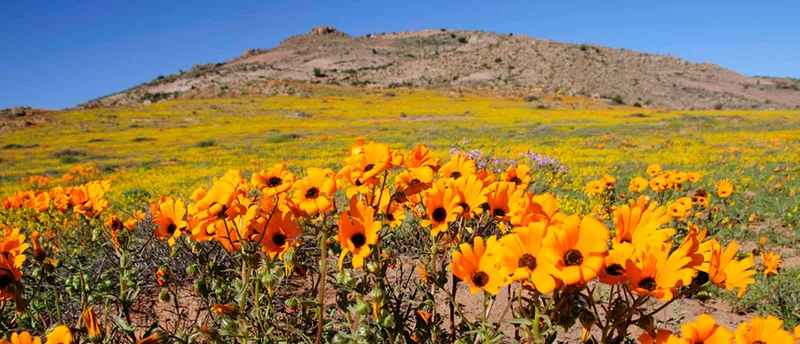
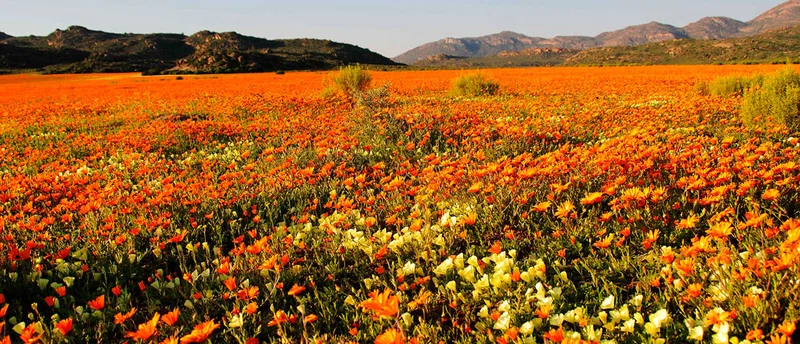
Okiep is a small town located in the Northern Cape province of South Africa. Its name originates from the Khoekhoe language of the Nama people, "U-gieb," meaning "large brackish place," and was originally spelled O'okiep. The town holds significant historical importance due to its rich copper mining heritage. Copper was discovered in Okiep as early as 1855, leading to a mining rush that attracted miners globally. Within a year, Okiep became home to what was once the world's largest copper mine. Visitors today can explore the mine shafts and smelting towers, remnants of this prosperous era.The history of Okiep dates back to 1685 when Governor Simon van der Stel led an expedition and discovered a rich lode of copper ore. Mining operations, however, only truly began in 1852, initiated by explorer James Alexander. The first miners were predominantly Cornish, bringing with them centuries of tin-mining expertise. Evidence of their presence can still be seen in the ruins of their buildings, as well as the stonework of bridges and culverts from the Namaqualand Railway, which operated from 1876 for 68 years, transporting ore to Port Nolloth. The town also played a role in the Anglo-Boer War, notably enduring a 30-day siege in 1902. Historical sites like the Crow's Nest Blockhouse and Fort Shelton, along with graffiti from the Cape Town Highlanders and Cape Garrison Artillery in the Okiep East Mine, mark this period. The old smelter smoke stack and the Cornish Beam Pump, a fully intact steam engine used from 1882 to 1929 to pump water from the mine, are still extant and are unique in the Southern Hemisphere.Okiep is situated in a wild, arid mountain landscape, characteristic of Namaqualand. The region is known for its indigenous flora and fauna, and is particularly famous for its world-renowned spring wildflower displays, which transform the seemingly barren landscape into a vibrant spectacle. The town serves as a base for exploring the Orange River and the broader Namaqualand region, offering insights into its rich mineral and mining history.




Weather & Rainfall Patterns
Station: 295s178e · 15.6 km away · 935m