
Algeria
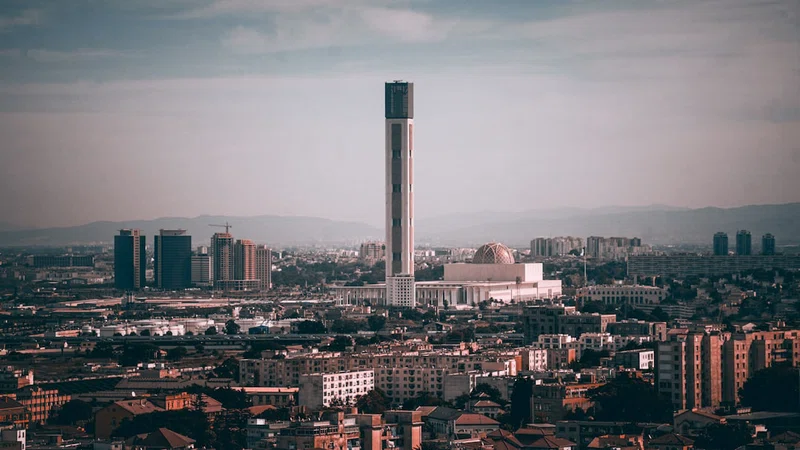
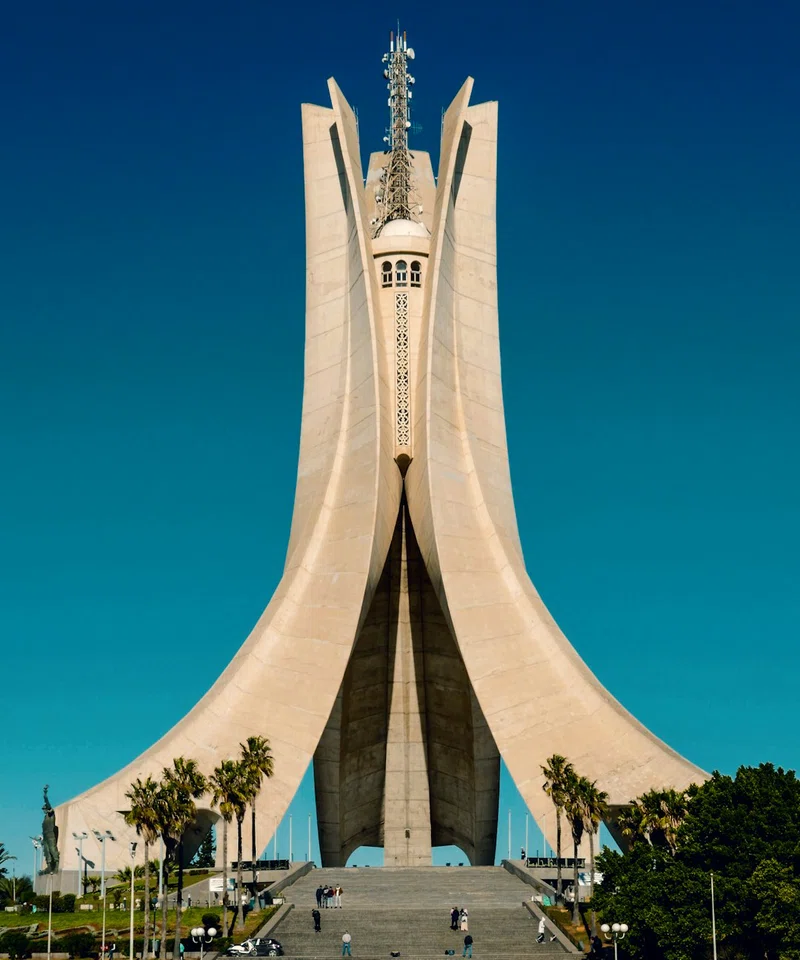
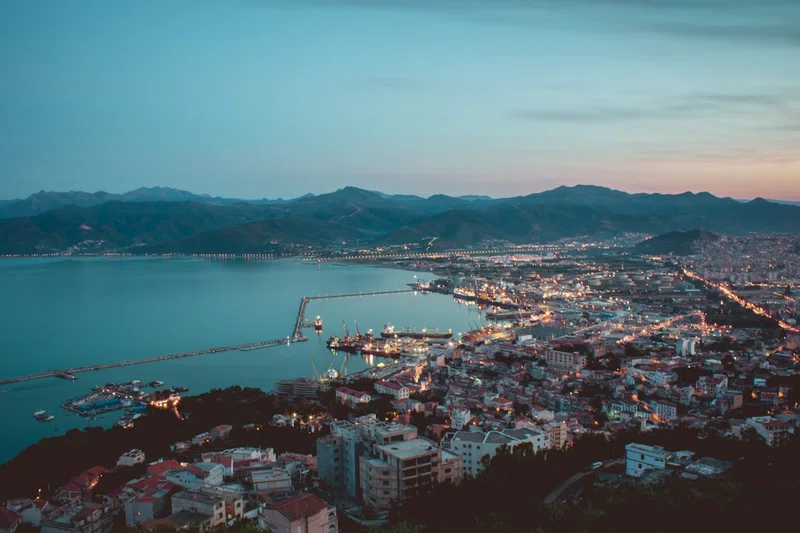
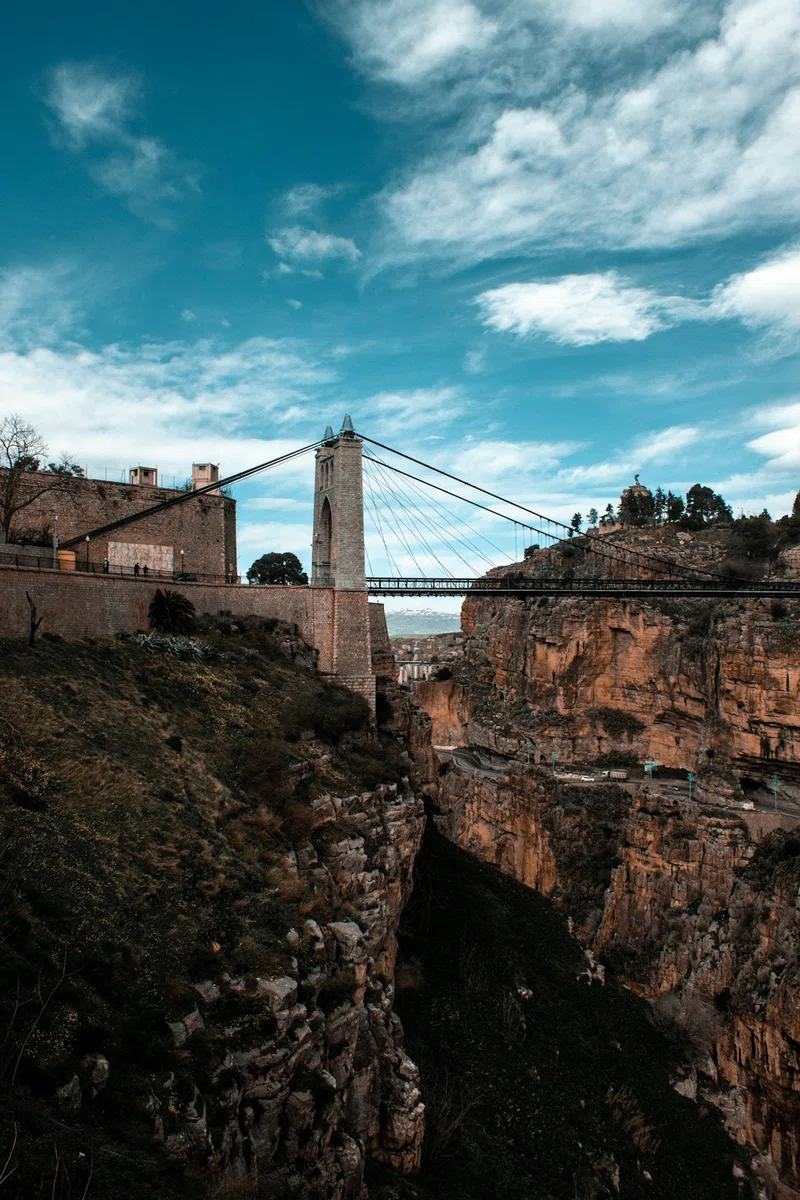
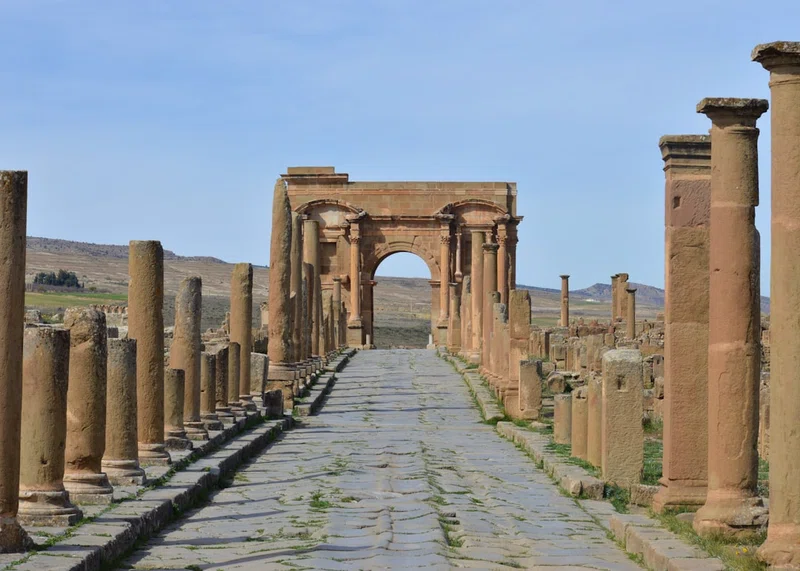
Algeria, the largest country in Africa, offers a diverse landscape ranging from the Mediterranean coast to the vast Sahara Desert. Its rich history is reflected in numerous archaeological sites and ancient cities. The National Tourism Office of Algeria works to promote the country's unique heritage, natural beauty, and hospitality to visitors worldwide. The country is home to several UNESCO World Heritage sites, showcasing its historical and cultural significance. These include the ancient Roman ruins of Djémila and Timgad, which provide insights into Roman urban planning and architecture. The Kasbah of Algiers, a historic citadel, represents a fine example of an Ottoman-era medina. Further inland, the M'Zab Valley features a unique example of human interaction with a semi-desert environment through its fortified settlements. The Al Qal'a of Beni Hammad, a fortified Muslim city, offers a glimpse into a medieval Islamic capital. The coastal site of Tipasa, with its Phoenician, Roman, and Byzantine ruins, also holds UNESCO status. In the south, the Tassili n'Ajjer is a mixed cultural and natural site, renowned for its prehistoric rock art and significant geological formations. Algeria's natural features extend beyond the desert, encompassing fertile coastal plains, the Atlas Mountains, and a Mediterranean climate in the north. The country's cultural tapestry is woven from Amazigh, Arab, and Ottoman influences, evident in its cuisine, music, and traditional crafts. Events like the National Tourism Day and the International Tourism and Travel Fair highlight Algeria's commitment to showcasing its attractions and fostering tourism growth.
Traveler quick info
Currency
Algerian Dinar (DZD)
Language
Arabic, Berber, French
Flight time
From UK: 3h (direct to Algiers)
From US: 11-13h (1 stop from NYC)
Time zone
GMT+1
Top cities
Popular cities in Algeria
Top attractions
Landmarks & things to do in Algeria
Top parks
National parks & reserves in Algeria
Top safaris
Safari tours in Algeria
Guides
Travel guides & articles about Algeria