
City in Ethiopia
Addis Ababa
About Addis Ababa
Addis Ababa, meaning "new flower," is the capital and largest city of Ethiopia, situated in the Ethiopian Highlands at an elevation of 2,355 meters (7,726 ft), making it one of the world's highest capital cities. It lies near the western edge of the Great Rift Valley and at the foot of Mount Entoto. The city's origins trace back to 1886 when Empress Taytu Betul chose the site, known as Finfinne for its hot springs, for a permanent settlement, with Emperor Menelik II establishing his imperial palace there shortly after. It officially became the empire's capital in 1889.
Often referred to as the "political capital of Africa," Addis Ababa holds significant diplomatic and political importance for the continent, serving as the headquarters for major international organizations like the African Union and the United Nations Economic Commission for Africa. The city is a blend of various communities from across Ethiopia, contributing to a rich cultural environment. Its architecture reflects a unique history, not initially built as a colonial settlement, though the Piazza district shows Italian influence from a later occupation.
Visitors can explore a range of sites, including the National Museum of Ethiopia, which houses archaeological treasures like the fossilized skeleton of Lucy, alongside historical artifacts and art. Holy Trinity Cathedral and St. George's Cathedral are prominent places of worship with historical significance, the latter featuring an octagonal design and a museum of imperial weaponry. The Merkato district stands as one of Africa's largest open-air markets. Green spaces like Unity Park and the annual Meskel Square celebration in September offer glimpses into the city's public life and traditions. The city also boasts the first light rail system in sub-Saharan Africa.
Things to see
Sights and landmarks in and around Addis Ababa

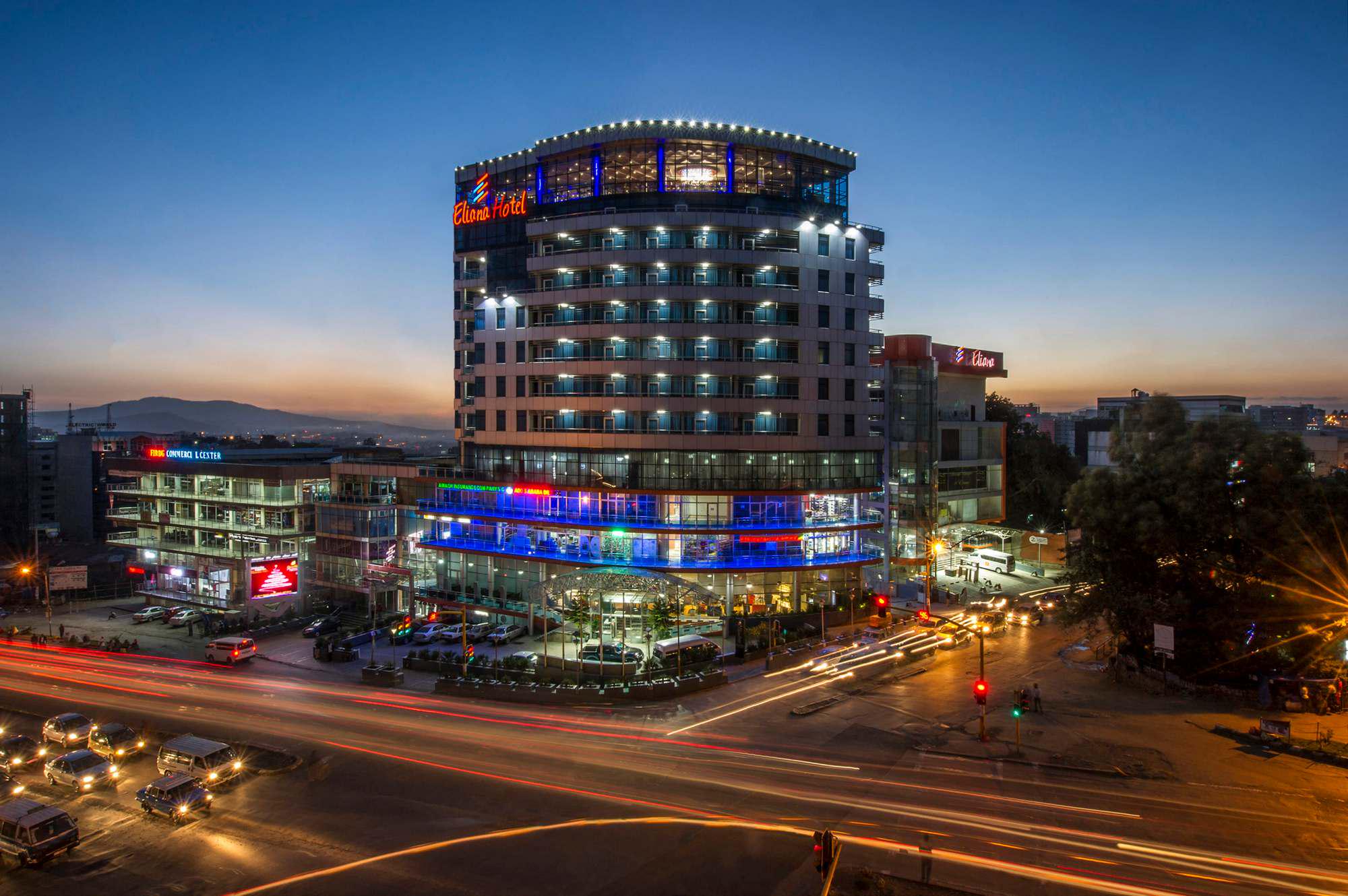
Where to stay
Where to eat






Things to do

Addis Ababa Museum

1-Day Addis Ababa National Museum Mount Entoto & Markets
2-Day Yerer Mountain Wildlife Sanctuary Safari
3-Day Bishoftu Lakes Tour
Weather through the year
Average temperatures and rainfall by month
Station: 89n384e · 27.5 km away · 2101m