City in Mozambique
Maputo
About Maputo
Maputo, the capital and largest city of Mozambique, is situated on the western shore of Maputo Bay, an inlet of the Indian Ocean, in the country's southern region. It lies near the borders with Eswatini and South Africa. The city was historically known as Lourenço Marques until 1976, a name given after the Portuguese trader who explored the bay in 1544. It became the capital of Portuguese East Africa in 1907 and was renamed Maputo after Mozambique gained independence.
The city is characterized by wide avenues often shaded by jacaranda and acacia trees, which have earned it nicknames like "City of Acacias." Maputo's architecture is an eclectic mix, showcasing Portuguese colonial styles such as Neoclassical and Manueline, alongside modern art deco, bauhaus, tropical modernism, and Brutalist buildings. This blend reflects its history and diverse cultural influences, including Xitsonga, Portuguese, Arabic, Indian, and Chinese elements.
Visitors can explore landmarks such as Independence Square, the City Hall, and the Maputo Fortress, which now serves as a colonial history museum. The Maputo Central Railway Station is an architectural highlight, sometimes hosting live jazz events. Other points of interest include the Tunduru Gardens, the prefabricated Casa do Ferro (Iron House), the Cathedral of Our Lady of the Immaculate Conception, and various markets like the Central Market and the FEIMA Arts and Crafts Market. For those interested in nature, day trips are possible to Inhaca Island or the Maputo National Park, where one might see elephants, antelopes, zebras, and giraffes.
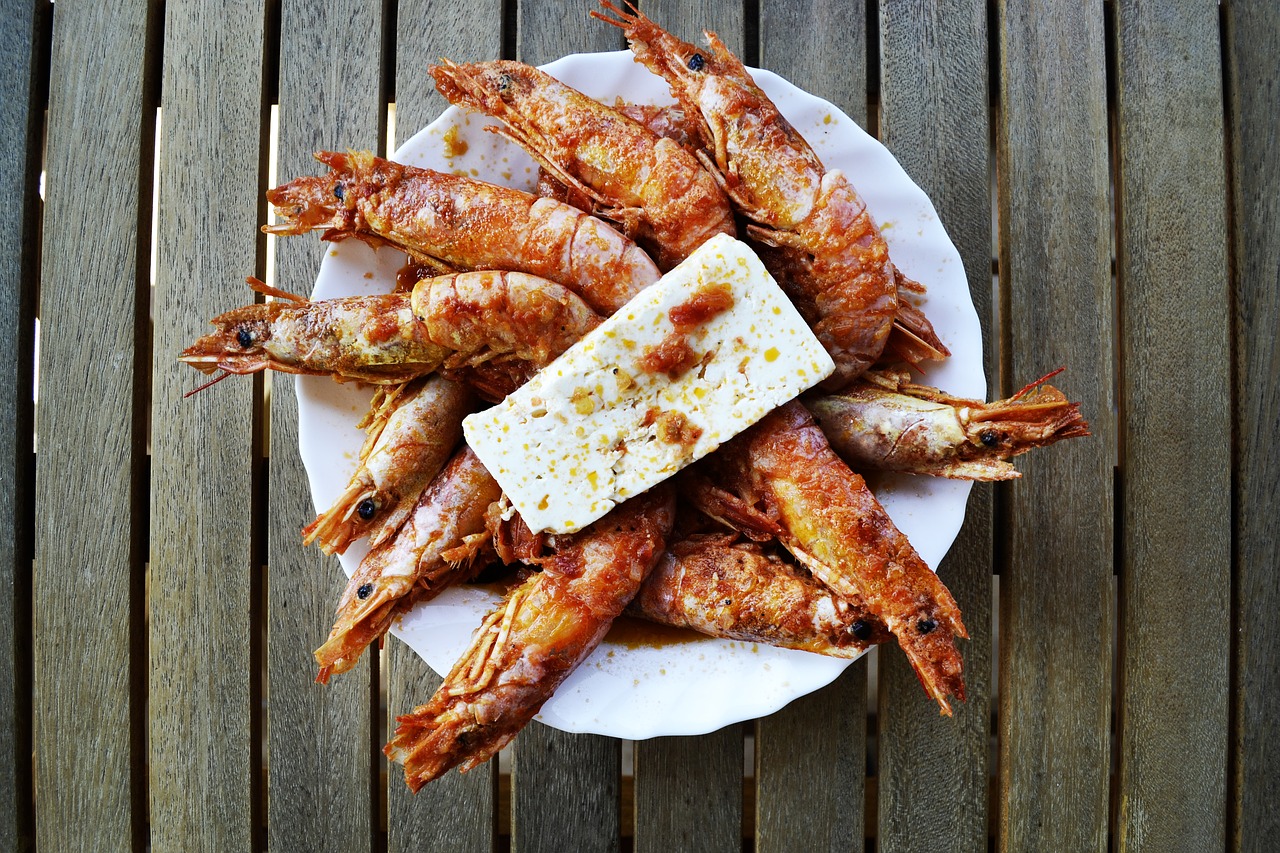
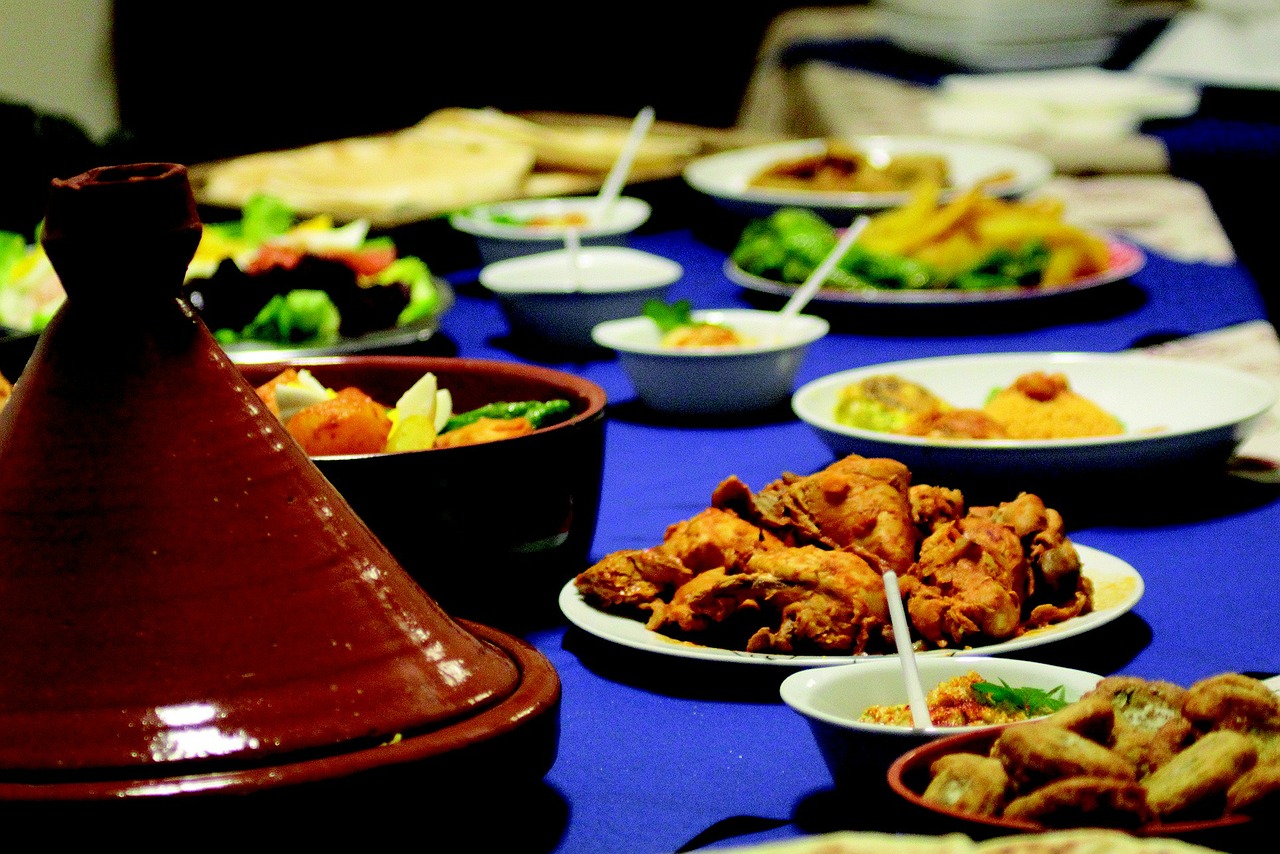
Maputo experiences a tropical savanna climate, with hot, wet summers from November to March and mild, dry winters from April to October. The city is known for its fresh seafood, vibrant cultural scene, music, and art, offering a distinct urban experience.