
Ibanda
Ibanda is a significant administrative and commercial center located in the Western Region of Uganda, specifically within the Ankole Sub-region. It serves as the headquarters for Ibanda District Local Government. The district spans a total land area of 964.8 square kilometers and, as of the 2024 census, supports a population of 309,466 residents, comprising 141,194 males and 168,272 females across 72,861 households. The municipality itself, which is the core urban area, was granted its status in 2016, evolving from a small trading center in the 1990s through stages of town board and town council. It is situated approximately 70 kilometers northwest of Mbarara and about 290 kilometers southwest of Kampala, with coordinates around 00°08′05″S, 30°29′42″E.
The local economy of Ibanda is primarily agrarian, with coffee, bananas, and cattle farming being the mainstays. Coffee, in particular, is a crucial cash crop, contributing significantly to the income of the local populace. The district administration oversees various departments including Works, Water, Community-based Services, Natural Resources, Commercial, and Production, all working towards a vision of a prosperous community with quality services. Key services and government projects focus on health, water and sanitation, land management, and local economic development initiatives.
Historically, Ibanda is noted for the killing of Harry George Galt, a British sub-commissioner, in 1905. The name "Ibanda" itself is derived from a native word, "Ibandwa," referring to a hill where local people would traditionally seek divine intervention for their misfortunes. The Ibanda Municipal Council is divided into three main divisions—Kagongo, Bisheshe, and Bufunda—which further encompass 21 wards and over 230 villages, covering a geographical area of about 372.21 square kilometers, including dry land, wetlands, and open water.



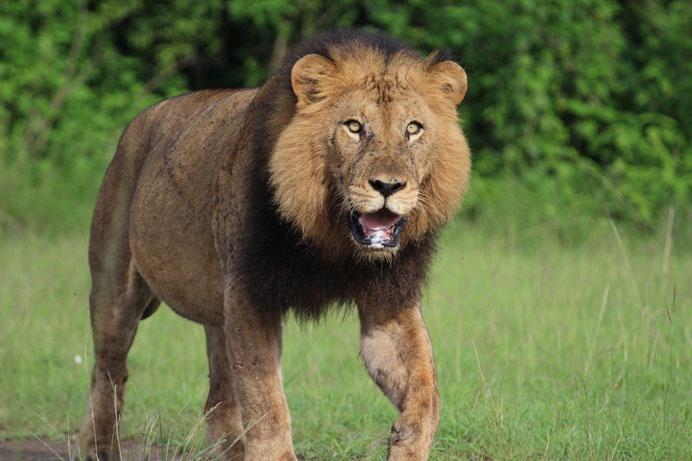

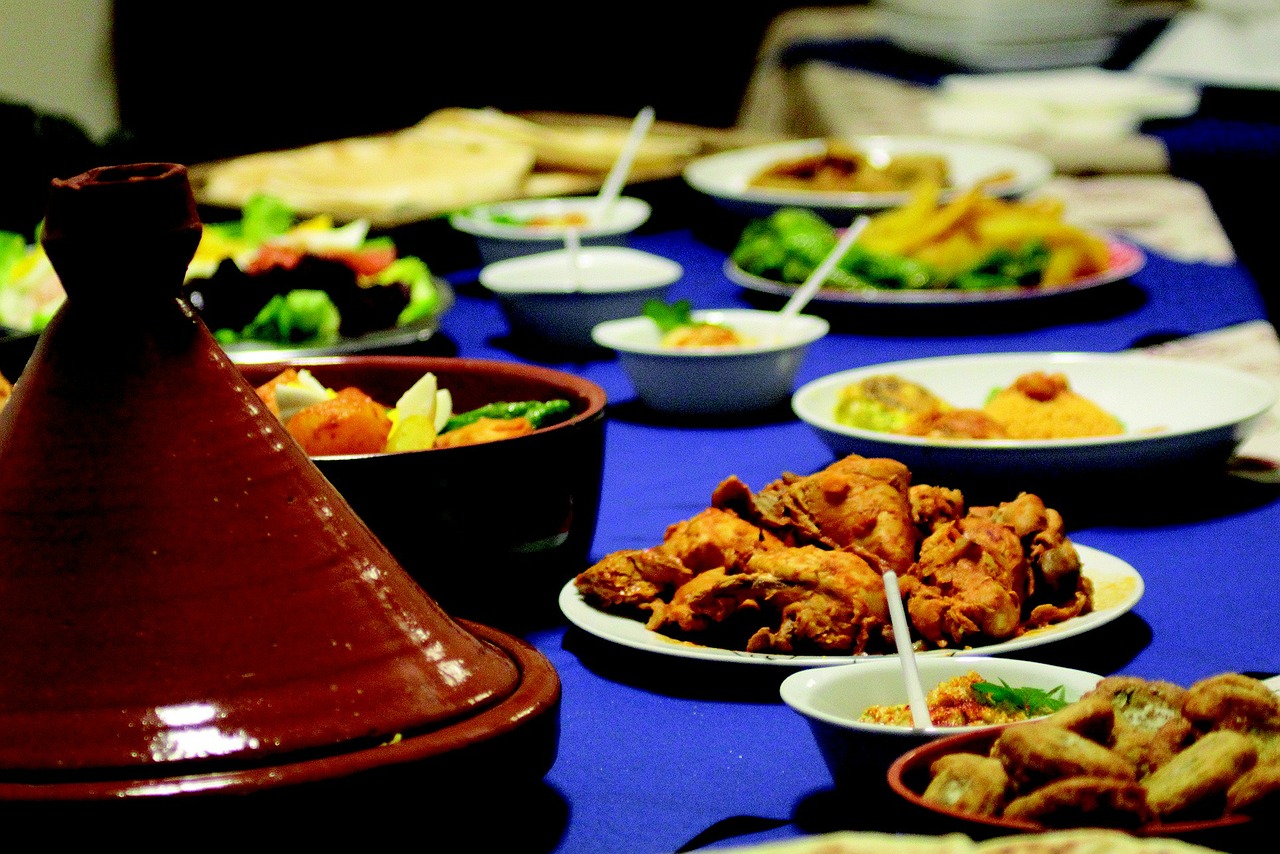

Simba Safari Camp
0.0 km away
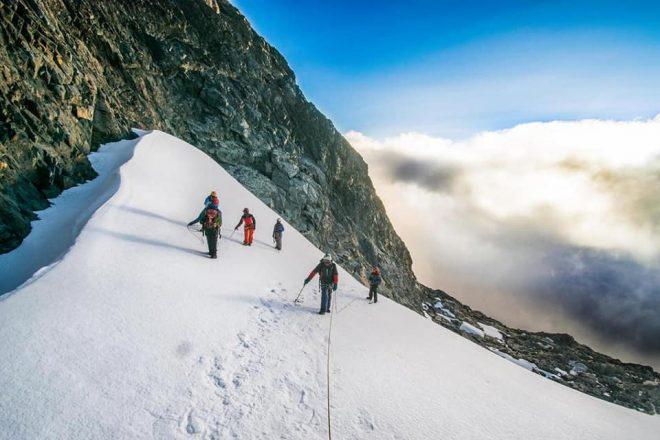
13 Days Rwenzori Trekking & Uganda Wildlife Experience
0.0 km away
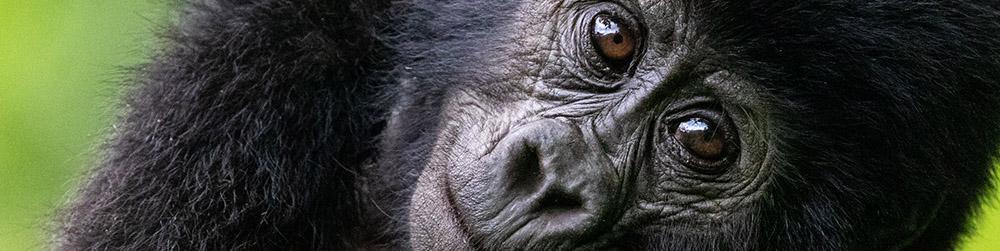
5 Days Bwindi & Queen Elizabeth Tour
0.1 km away
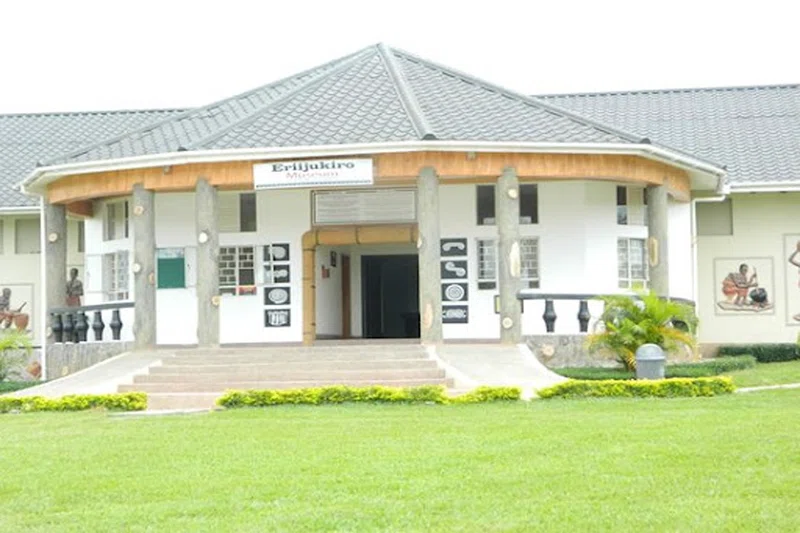
Igongo Country Hotel and Cultural Centre
0.1 km away
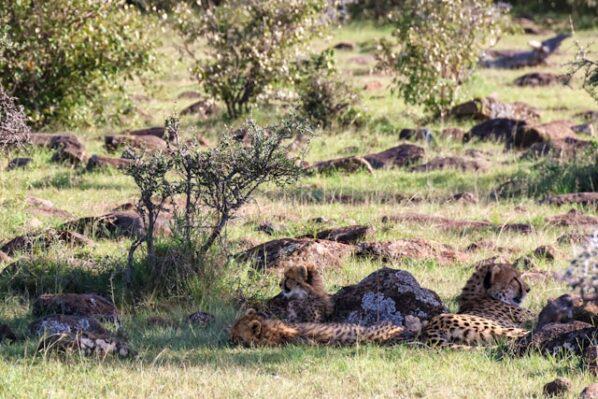
12 Days Hiking & Big Game Safari
0.1 km away
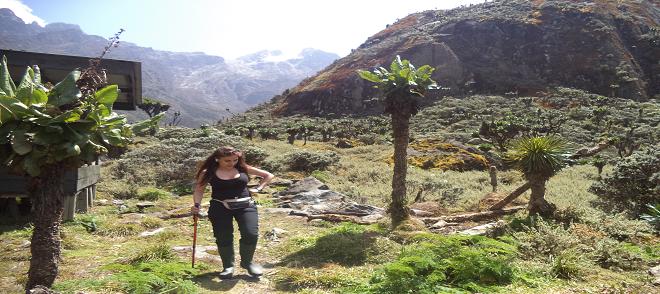
8 Days Rwenzori Climbing with Margherita Peak via the Bukurungu Trail
0.1 km away
Weather & Rainfall Patterns
Station: 2n303e · 13 km away · 972m