
Bulawayo
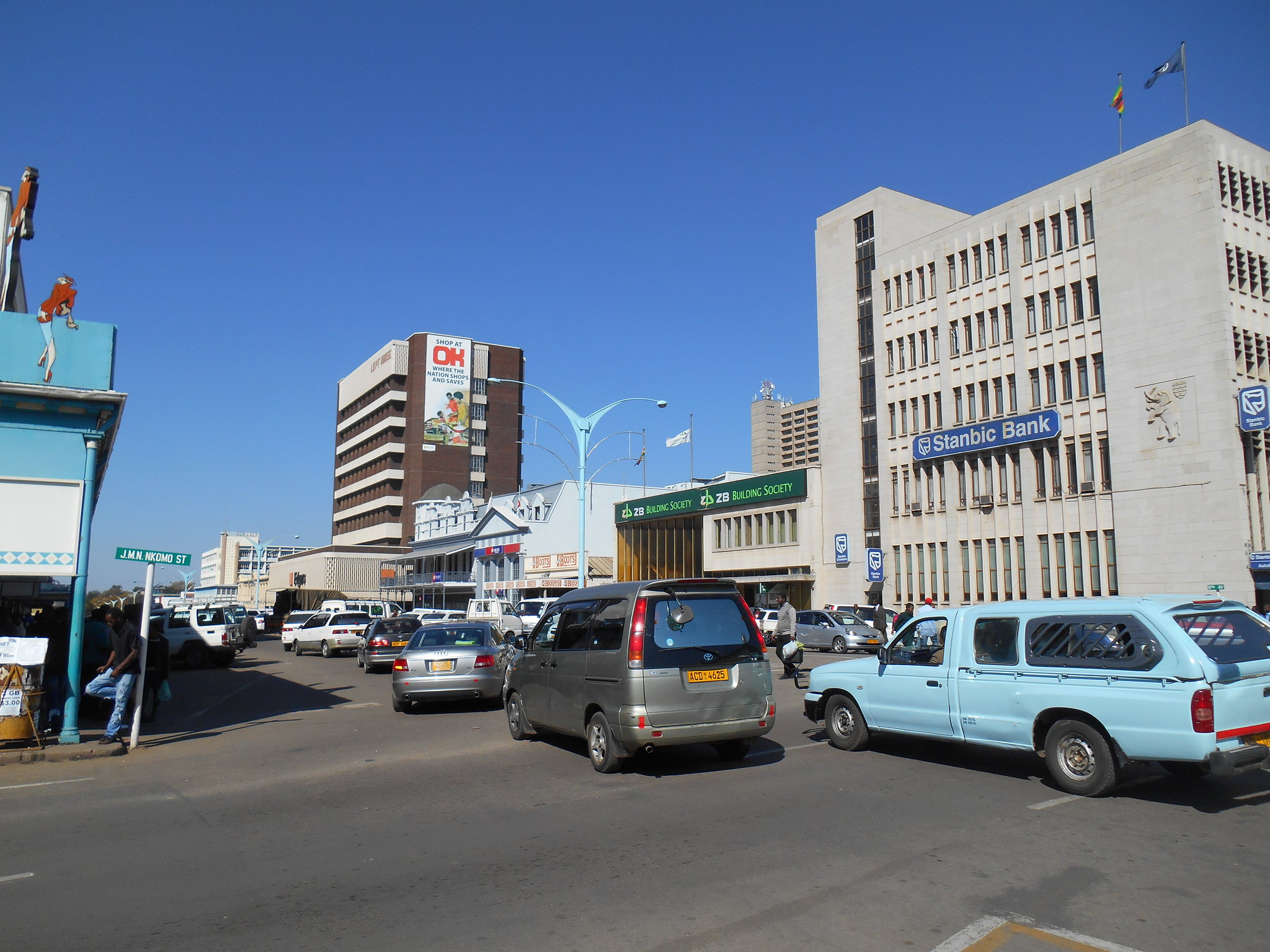
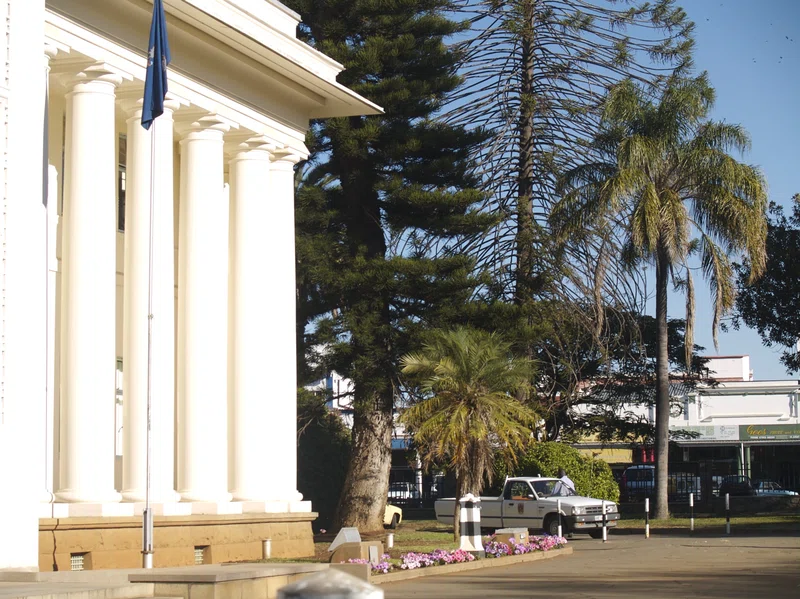
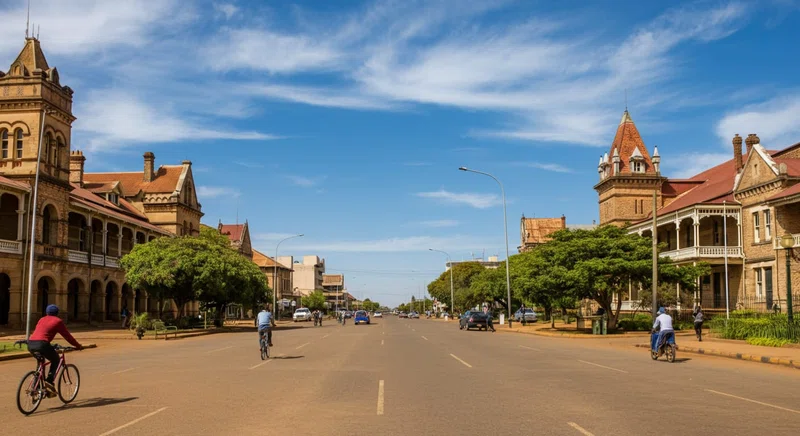
Bulawayo, the second-largest city in Zimbabwe, is located in the western part of the country along the Matsheumhlope River. It serves as both a major urban center and a province. The city presents a blend of Victorian and modern architecture, characterized by wide, tree-lined boulevards, contributing to its relaxed atmosphere. Historically, Bulawayo was established around 1840 as the kraal of the Ndebele king Mzilikazi, and later named koBulawayo by his son Lobengula. The name itself, derived from the Ndebele word "bulala," meaning "the one to be killed," is thought to reflect a period of civil conflict during its early formation. In 1893, British South Africa Company soldiers captured the settlement, subsequently rebuilding the modern city over the ruins of the former Ndebele royal city. It achieved municipality status in 1897 and city status in 1943.
The city has historically been Zimbabwe's primary industrial hub, with factories producing a range of goods including vehicles, building materials, electronics, textiles, furniture, and food products. It also functions as the central point of Zimbabwe's rail network and houses the headquarters of the National Railways of Zimbabwe. Bulawayo experiences a subtropical climate due to its elevation, with three distinct seasons. The cool, dry winter months from May to August are generally considered ideal for visiting, while temperatures rise during the hot, dry period between September and November. Rainfall, often in the form of afternoon thunderstorms, occurs from December to March.
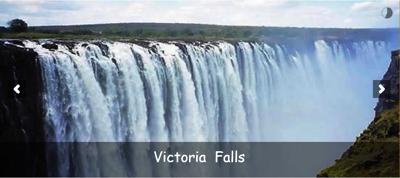
Within Bulawayo, visitors can explore cultural institutions such as the National Art Gallery, housed in a Victorian-era building, the Railway Museum, and the Natural History Museum of Zimbabwe. The city also hosts the Zimbabwe International Trade Fair. Beyond the city limits, several significant attractions are within a short drive, including the Matobo National Park and the Khami Monument, both recognized as UNESCO World Heritage Sites. Other nearby points of interest include the Tshabalala Game Sanctuary and the Chipangali Wildlife Orphanage. Bulawayo's strategic location and established transport links, encompassing air, road, and rail, also provide convenient access to more distant destinations like Victoria Falls and Hwange National Park.

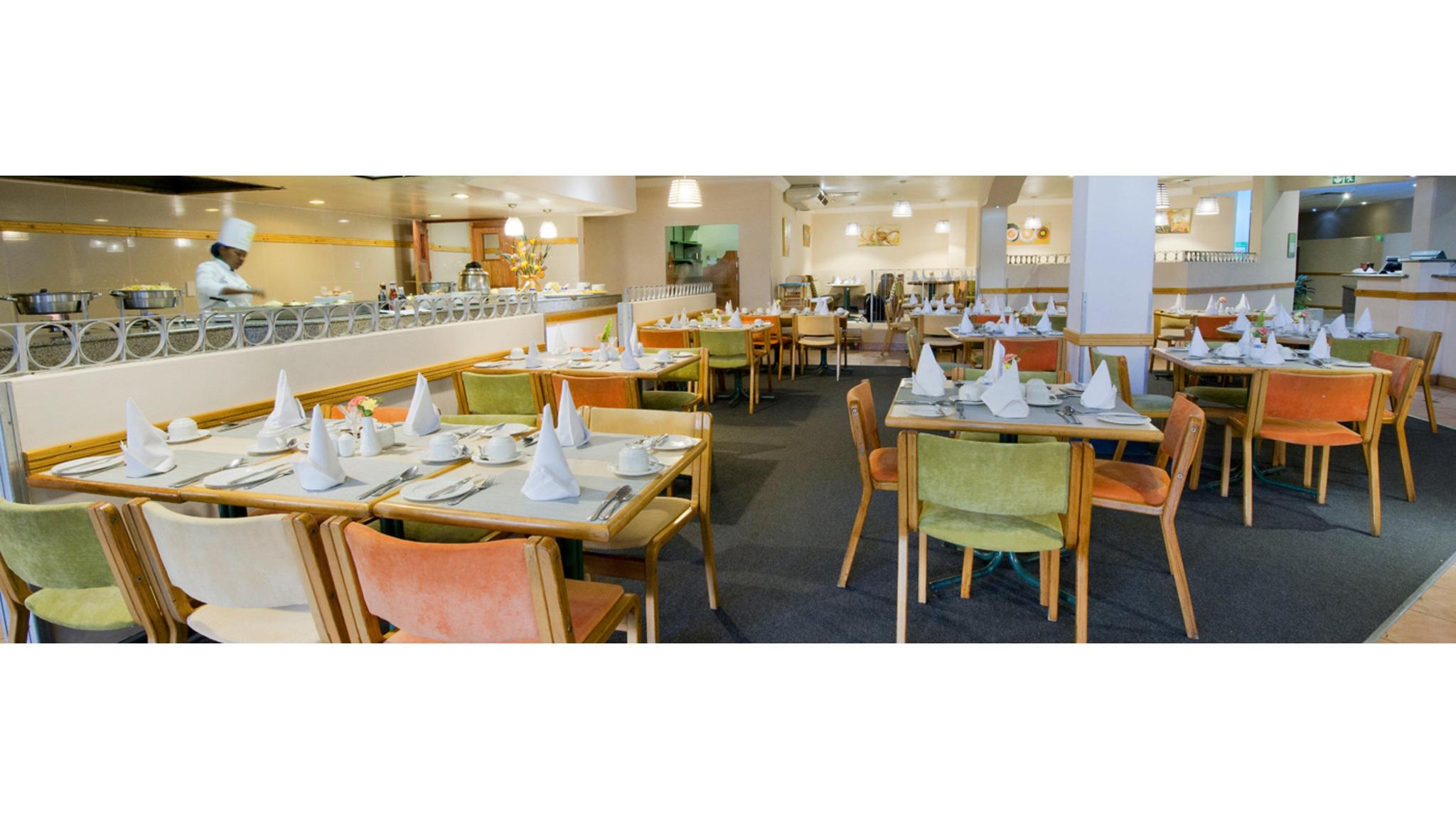


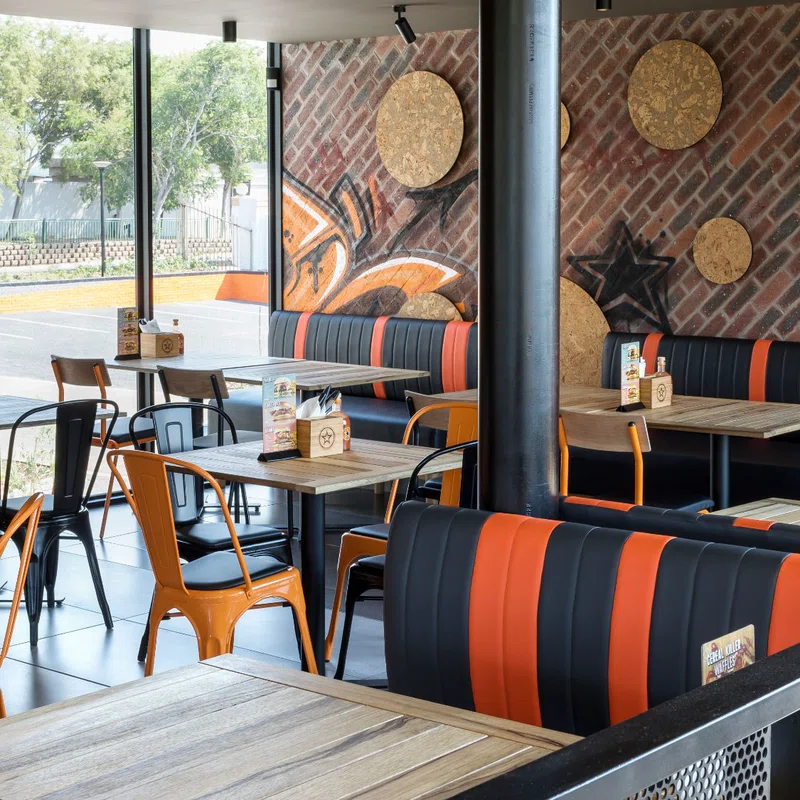



Lunch and City Exploration in Bulawayo
0.0 km away
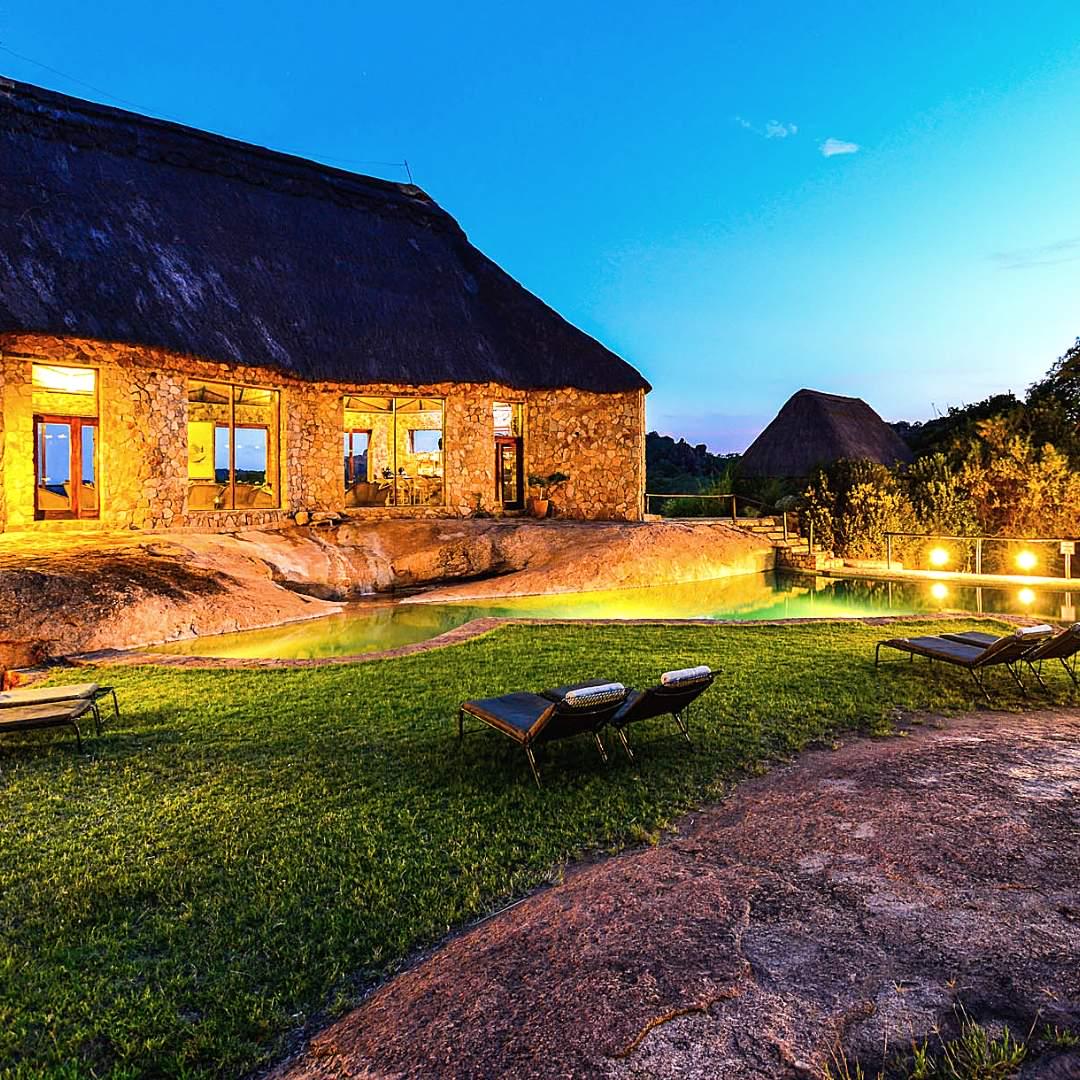
Check-in and Lodge Orientation
0.0 km away
Afternoon Relaxation at Lodge
0.0 km away
Afternoon Leisure and Pool Time
0.0 km away
Stargazing Session
0.0 km away
Leisurely Breakfast & Departure Preparation
0.0 km away
Weather & Rainfall Patterns
Station: 198s284e · 19.8 km away · 1214m